Fixed Van Windows vs Sliding: Which Suits You?
A van conversion can feel completely different once the side glass is fitted. It changes the light, the view, the ventilation and even how secure the vehicle feels when parked. When comparing fixed van windows vs sliding, the right choice depends less on appearance and more on how you use the van day to day.
A courier or trade van has different needs from a weekend camper. A family campervan used for summer trips needs airflow at night, while a vehicle carrying valuable tools may put security and privacy first. Getting the window choice right before the interior is finished saves disruption, extra cost and avoidable compromises later.
Fixed van windows vs sliding: the main difference
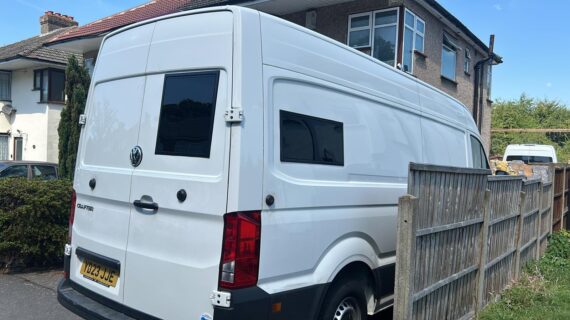
Fixed windows are sealed glass panels. They do not open, which makes them simple, tidy and generally easier to keep watertight. They are a popular choice for rear side panels, where the main aim is to bring daylight into the van, improve outward visibility or make a conversion feel less enclosed.
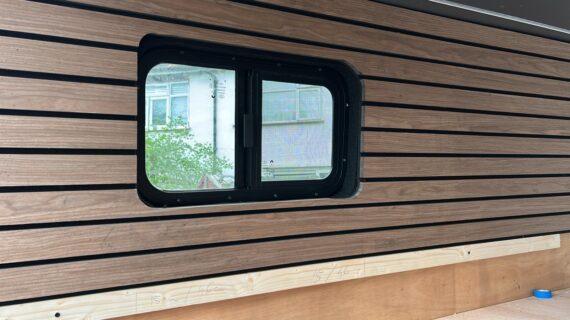
Sliding windows have an opening section, usually with one pane moving behind another. This gives you controllable ventilation without opening a full van door. They are particularly useful beside a bed, seating area or cooking space in a campervan.
Neither option is automatically better. Fixed glass is usually the practical answer where light, clean lines and a secure sealed finish matter most. Sliding glass earns its place where fresh air will make a real difference.
When fixed windows are the better choice
Fixed windows suit many van owners because they do one job very well: they bring in light without adding moving parts. A well-fitted fixed panel gives a clean factory-style finish and can make a standard panel van look purpose-built rather than converted.
They are often the stronger choice for work vans. If you carry tools, stock or equipment, fewer openings mean fewer points to think about when it comes to security. Tinted or privacy glass can also reduce visibility into the load area while still stopping the van from feeling dark inside.
Fixed windows are also useful if the side of the van is used for storage, cupboards or a fitted bed. In these areas, an opening window may not add much value. You may still want the natural light and an outside view, but there may be no practical reason to open the glass.
For year-round use, fixed windows can feel more solid in poor weather. There are no sliders to collect dirt, no tracks to maintain and less chance of wind noise from an incorrectly adjusted moving section. That does not mean a sliding window is unreliable, but a fixed unit is naturally simpler.
Best places for fixed glass
A fixed window works particularly well in rear quarter panels, opposite a kitchen unit, behind a passenger seat or beside a cupboard. It can also be the sensible option where you want matching windows on both sides of the van but only need ventilation from one side.
For some campervan layouts, fitting one sliding window and one fixed window provides the best balance. You keep symmetry and light throughout the van without paying for opening sections that will rarely be used.
Where sliding van windows make sense
The biggest advantage of sliding windows is airflow. A van can get warm quickly, especially when parked in sunlight or when two people are sleeping inside. Roof vents and skylights help hot air rise out, but a sliding side window gives that air somewhere to enter. Together, they create much more effective ventilation.
A sliding window beside the bed is a popular arrangement. It allows fresh air overnight without leaving a door open, which is far more practical on campsites, lay-bys and busy areas. Windows with insect screens can be especially useful during warmer months, although screens should be checked for fit and ease of use before installation.
They are also helpful near a hob or cooking area. Condensation builds up when boiling a kettle or cooking meals in a compact space. Opening a sliding window helps move moisture out before it settles on the glass, roof lining and soft furnishings.
For passengers, sliding glass can make a long journey more comfortable when the van is parked. This matters for family day vans, crew vans and campervans where people spend time sitting in the rear rather than simply travelling from job to job.
The trade-offs with opening windows
Sliding windows require proper fitting and regular basic care. Their tracks can collect dust and road grime, particularly on vehicles used daily on building sites or country roads. Cleaning the channels and checking the drain paths helps the window continue to slide freely.
There is also a security consideration. A quality sliding window should close securely, but it is still an opening section in the side of your van. For a tool-carrying work vehicle parked overnight, that may make fixed glass the more comfortable choice. Window tint, internal curtains and secure storage all play a part, but they do not replace sensible vehicle security.
Noise is another factor. Poor-quality windows or rushed fitting can lead to rattles, whistle noise or water ingress. That is why the glass, seals and installation matter as much as the decision between fixed and sliding.
Think about your layout before fitting glass
The window should fit the layout, not the other way round. Before cutting any panel, mark out where your bed, kitchen, cupboards, seating and electrical components will sit. It is frustrating to fit a large opening window only to cover most of it with a wall unit later.
Consider how the door operates too. On many panel vans, a sliding side door affects where a window can be fitted and how usable it will be when the door is open. A window in the sliding door can be useful for light and visibility, but it may not provide ventilation when you are parked with the door fully open.
Privacy matters more than many people expect. A large clear window looks excellent in daylight, but it also gives passers-by a direct view of the interior at night. Factory-tinted privacy glass, fitted blinds or insulated window covers can make a major difference for campervan use.
If the van will carry passengers, think about their sightlines. Side windows can reduce the closed-in feeling of travelling in the rear and help with visibility on junctions. For a commercial vehicle, however, glass may expose stock or tools. The best answer is based on the van’s working life, not a one-size-fits-all conversion trend.
Safety, glass quality and professional fitting
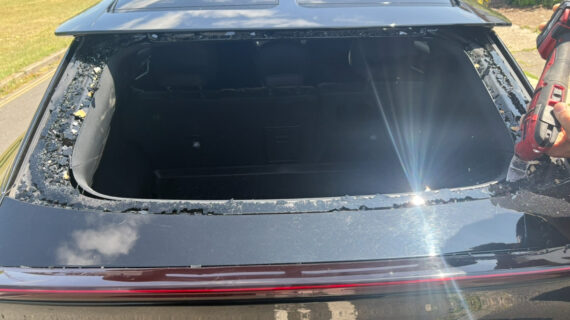
Cutting a van body panel is permanent work. The aperture needs to be measured accurately, cut cleanly, protected against corrosion and prepared correctly before the glass is bonded in place. A poor installation can lead to leaks, wind noise, rust around the cut edge or glass that does not sit correctly.
Choose automotive safety glass designed for the vehicle and window position. OEM-standard materials, suitable bonding products and correct preparation are essential for a durable finish. The aim is for the finished glass to look right, stay watertight and cope with vibration, weather and everyday use.
It is worth asking the fitter what glass will be used, whether the cut edges will be treated and how long the adhesive needs to cure before driving or washing the van. These are straightforward questions, and a professional installer should answer them clearly.
For owners in West London, Car Glass Service can advise on van side windows, rear glass and campervan conversion fitting based on the vehicle and planned layout. A proper assessment before the panel is cut is far better than trying to alter the design once cupboards, insulation and trim are already installed.
A practical way to choose
Choose fixed windows if you mainly want daylight, better visibility, privacy glass or a low-maintenance sealed finish. They are often ideal for work vans, rear panels and conversions where ventilation is already handled by roof vents or opening doors.
Choose sliding windows if you will sleep, cook or spend long periods inside the van. One well-positioned opening window can make a compact camper much more comfortable, particularly when paired with a roof vent.
If you are still undecided, avoid adding opening glass simply because it looks good in another conversion. Picture a wet weekday, a hot night, a loaded work van and a weekend away. The window arrangement that works across those real situations is the one worth fitting.