Best Commercial Vehicle Glass Solutions for Vans
A smashed van window, damaged windscreen or broken rear glass does more than leave a vehicle looking untidy. It can stop a delivery round, expose tools overnight, create a safety issue for drivers and put a job behind schedule. The best commercial vehicle glass solutions are the ones that get your vehicle secure, roadworthy and back to work with the least possible disruption.
For tradespeople, courier drivers, fleet managers and business owners, the right answer is rarely a one-size-fits-all replacement. The type of glass, the position of the damage, your vehicle’s safety systems and how quickly you need to move all matter. A proper glazing specialist should assess the damage honestly, supply suitable OEM-standard materials and fit the glass correctly at your depot, workplace or home.
What Makes a Commercial Vehicle Glass Service Worth Using?
Commercial vehicles work hard. They spend long hours on motorways, building sites, residential streets and busy London traffic. That means glass is exposed to road debris, attempted theft, accidental impact and daily wear that private cars may never see.
A good service starts with a clear assessment. Small windscreen chips may be suitable for repair when they are addressed early and are outside the driver’s critical viewing area. This can preserve the original glass, reduce downtime and avoid the cost of a full replacement. However, damage near the edge of the screen, in the driver’s line of sight, or damage that has spread significantly will often require replacement for safety.
Side and rear windows are different. Most are toughened glass, designed to break into small pieces after impact. Once shattered, they need replacing rather than repairing. The priority is then securing the vehicle, removing broken glass thoroughly and fitting the correct replacement without delay.
For a working van, speed matters, but workmanship matters just as much. Poorly fitted glass can lead to wind noise, leaks, rattles and problems with vehicle security. It can also affect the performance of cameras, rain sensors and driver-assistance equipment where these are fitted.
Best Commercial Vehicle Glass Solutions by Damage Type
Windscreen chip repair
A chip caused by loose gravel or road debris can become much more serious after repeated vibration, temperature changes or a rough speed bump. Early repair is often the most sensible option if the damage meets the correct criteria. The process involves cleaning the damaged point, injecting specialist resin and curing it to restore strength and improve visibility.
It will not make every mark completely invisible, and a responsible technician should explain that upfront. The aim is to prevent further spreading and maintain safe use of the vehicle, not to promise an unrealistic cosmetic finish.
Windscreen replacement
When a windscreen has extensive damage or a crack affecting visibility, replacement is generally the safer option. Modern commercial vehicle windscreens are not simply panes of glass. Depending on the make and model, they may include heating elements, aerials, cameras, sensors or acoustic layers.
The correct screen must be matched to the vehicle specification. After fitting, any required camera calibration or system checks should be considered. This is particularly relevant for newer vans and fleet vehicles with lane support, automatic braking or traffic-sign recognition features.
Side window and quarter glass replacement
A broken side window is often the result of theft or vandalism, and it needs prompt attention. Apart from weather exposure, a vehicle with missing side glass leaves stock, equipment and paperwork vulnerable. A professional replacement includes clearing fragments from the door frame, seals, trim, seats and load area before installing compatible glass.
For vans carrying tools, this clean-up is not a minor detail. Glass can remain inside door cavities and around storage racking if the job is rushed. Taking the time to clear it properly helps prevent future rattles, injuries and damage to equipment.
Rear windscreen and van rear glass replacement
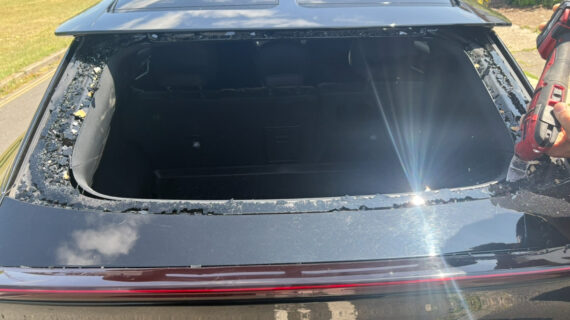
Rear glass can be damaged during loading, reversing incidents or collisions. Many rear screens include heating elements, and some have antenna connections or integrated fittings that need careful handling. The right replacement should restore clear rear visibility and preserve any original features where applicable.
Van conversion glass fitting
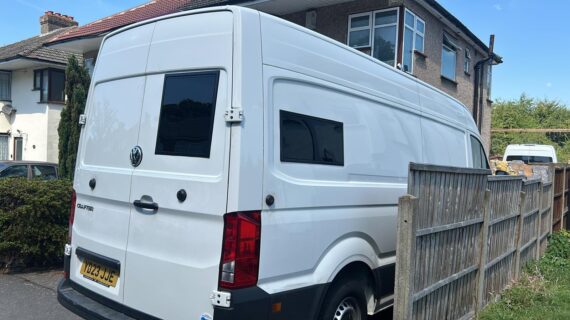
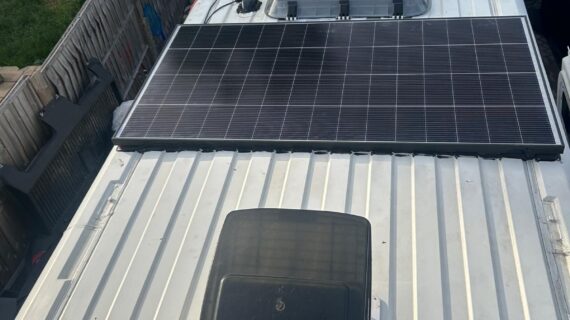
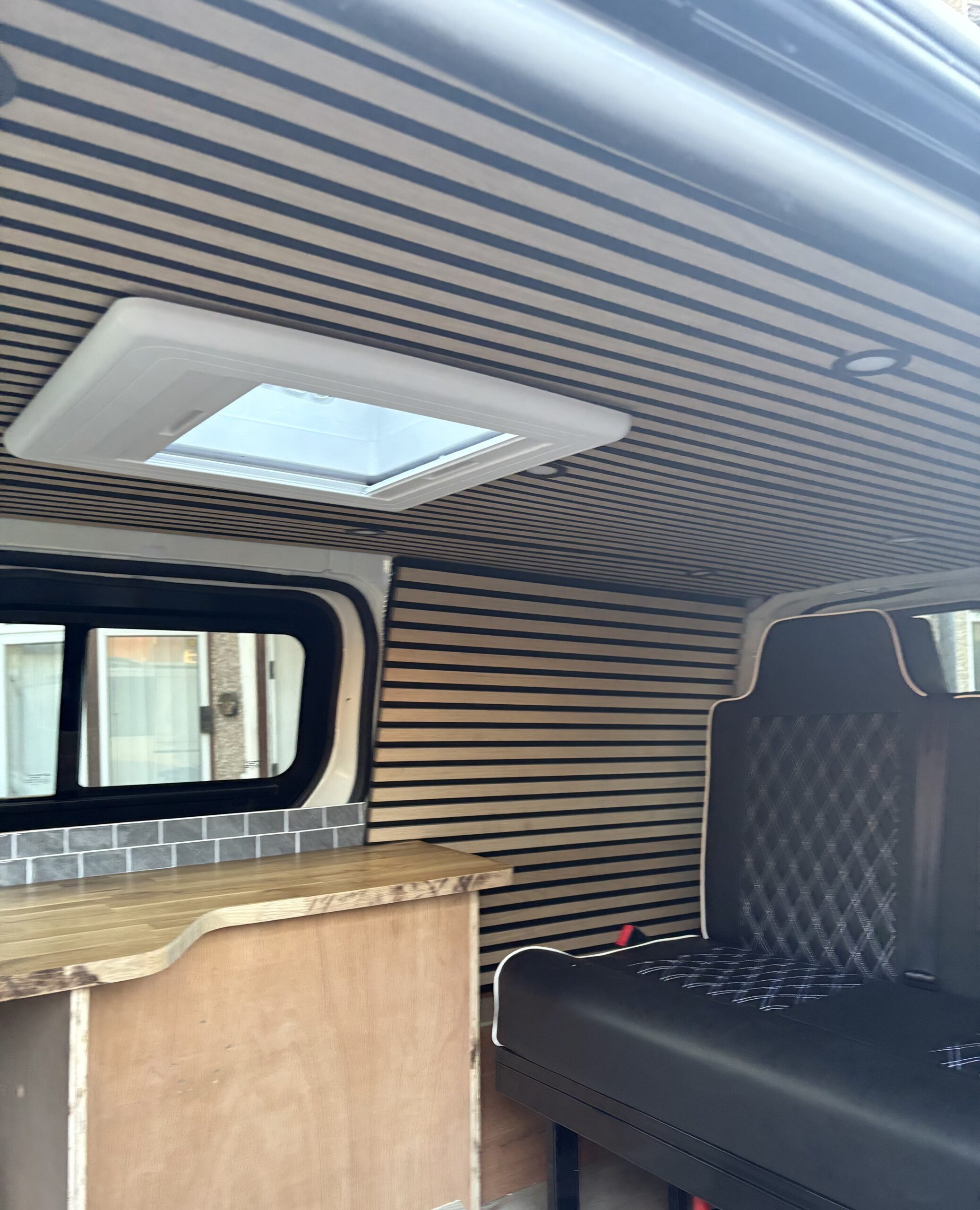
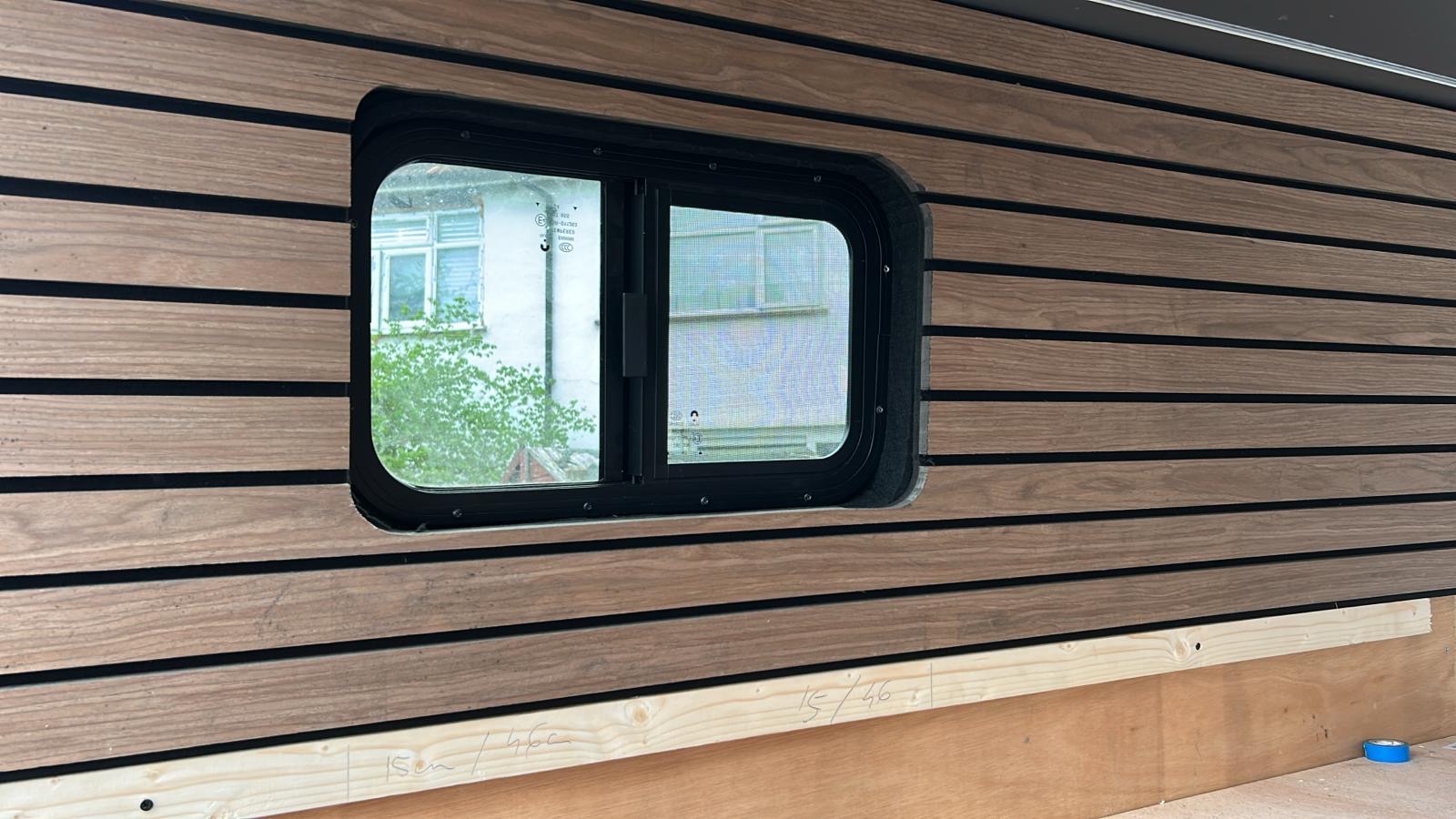
Commercial vehicle glass is not always about damage. For conversion projects, side windows, bonded glass panels, roof lights and other glazing additions can make a working van or campervan more practical and comfortable. This work needs accurate planning because the aperture, glass type, trim finish and watertight bond all affect the final result.
A panel window may improve light and visibility, while privacy glass can offer a more discreet finish for stored equipment or campervan use. The best choice depends on how the vehicle is used. A trade van with expensive tools may prioritise security and privacy, while a campervan conversion may focus on natural light, ventilation and a clean interior finish.
Choosing Glass for Your Vehicle and Workload
The best commercial vehicle glass solutions depend on more than vehicle size. A small car-derived van, a long-wheelbase panel van and a multi-vehicle fleet all have different demands.
OEM-standard glass and fitting materials are a sensible choice for commercial work because they are designed to meet the vehicle’s required specification. They support correct fit, visibility and weather resistance. There may be cases where alternative glass is available, but the key question should be whether it is suitable for your exact registration and vehicle features, not simply whether it is immediately available.
Fleet operators should also think about consistency. Using a service that can identify the correct glass, keep records of completed work and attend vehicles where they are parked reduces administrative hassle. For an owner-driver, the priority may be same-day attendance so a booked job does not have to be cancelled. Both needs are valid, and the service should be shaped around the vehicle’s role.
Why On-Site Fitting Reduces Downtime
Taking a van to a workshop can cost more time than the glass job itself. There is the journey there, waiting around, arranging another driver or losing part of a working day. On-site fitting removes much of that pressure when conditions allow safe professional work.
For businesses in West London, an on-site service can attend a depot, building site, office car park or driveway. This is especially useful after a break-in, when a driver needs the vehicle secured before the next day’s work. A technician should arrive with the appropriate tools, prepare the area, remove damaged glass safely and leave the vehicle clean and usable.
Weather and access can occasionally affect what is practical. Heavy rain, restricted parking or an unsafe roadside location may mean that another arrangement is needed. A straightforward provider will explain this rather than attempting a poor-quality fitting under unsuitable conditions.
Questions to Ask Before Booking
Before agreeing to work, ask whether the provider has checked the exact vehicle details and glass specification. Confirm whether the price includes glass, fitting materials, removal of broken fragments and disposal of the damaged unit. If the vehicle has cameras or sensors, ask whether calibration or further checks are required.
It is also sensible to ask about availability and timing. A fast response is valuable, but an accurate quote and the right part save problems later. For a van with specialist glass, privacy tinting, heating elements or conversion panels, supplying the correct component may take more planning than a standard side window.
Keep Small Damage From Becoming Lost Working Time
Drivers should report chips, scratches and loose seals as soon as they notice them. A quick inspection can prevent a manageable issue from becoming a larger replacement job after vibration, rain or a sudden temperature change. Fleet managers can make this easier by including glass checks in routine walkarounds and giving drivers a clear reporting route.
For broken windows, remove valuables where safe to do so and avoid operating the vehicle if loose glass could affect the driver or passengers. Covering an opening temporarily may offer short-term protection, but it is not a substitute for correctly fitted replacement glass.
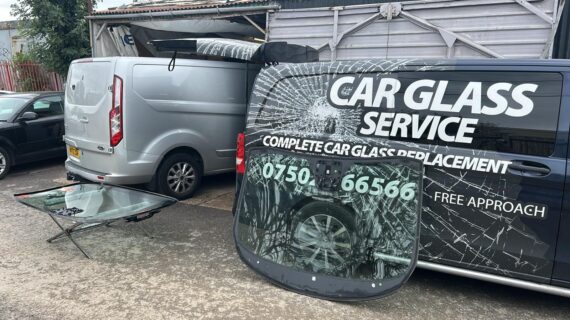
Car Glass Service provides practical glazing support for commercial vehicles, vans and conversion projects across West London. Whether you need a windscreen assessed, a side window replaced after a break-in or new glass fitted as part of a campervan conversion, the useful next step is simple: get the vehicle details ready, request a clear quote and arrange fitting around the work you need to keep moving.