

Can a Stone Chip Spread Quickly? What to Do
A small mark on the windscreen can look harmless when you first spot it in the driveway or at the petrol station. But can a stone chip spread quickly? Yes, it can. Some chips stay stable for weeks, while others develop into a longer crack after one cold morning, a pothole, or a blast of hot air from the demister.
The trouble is that a windscreen is not just a single sheet of glass. It is laminated safety glass under constant pressure from road vibration, temperature changes and the vehicle body flexing as you drive. Acting early gives you more options, avoids a bigger disruption later and helps keep your view of the road clear.
Why a stone chip can spread quickly
A chip is a point of impact where the outer layer of windscreen glass has been damaged. Even when it is no larger than a small coin, tiny fractures can run out from the impact point. These may be difficult to see at first, particularly in poor light or when the glass is wet.
Temperature change is one of the main reasons damage gets worse. Glass expands in warmth and contracts in cold conditions. If the outside of the windscreen is cold and you put the heater or demister on full, the inner surface warms much faster. That difference can put enough stress on an existing chip to turn it into a crack.
Road conditions also matter. London driving involves speed humps, uneven road surfaces, potholes and kerbs, all of which create vibration through the vehicle. Opening or closing a door firmly can sometimes be enough to add stress to already weakened glass. A van carrying tools, stock or equipment may be exposed to even more movement over a working day.
Moisture and dirt can make the situation harder to deal with. Rainwater, screenwash residue, dust and road grime can work into the damaged area. Once contamination is inside a chip, it may affect the finish of any repair and makes prompt assessment more worthwhile.
How fast can windscreen chip damage get worse?
There is no reliable timetable. A chip might remain unchanged for months, or it may spread within hours. The risk is higher when the damage is near the edge of the glass, where the windscreen is under more stress, or when there are visible lines coming away from the impact point.
A sudden change in weather is a common trigger. During a frosty West London morning, for example, drivers often want to clear the screen quickly before setting off. Pouring hot water onto a cold windscreen or running maximum heat straight onto the damaged area is risky. Use the vehicle’s normal demisting settings gradually and allow extra time where possible.
Direct sunlight can create the same issue in warmer weather. The glass heats unevenly, particularly if part of the vehicle is in shade. This does not mean every chip will spread, but it explains why waiting to see what happens is not always the sensible option.
Signs that you should arrange an inspection now
If you can see a line extending from the chip, the damage is no longer simply a small impact mark. It needs checking promptly. The same applies if the chip is getting larger, sitting close to the windscreen edge, or positioned in the driver’s main line of sight.
Pay attention to how the glass looks from inside as well as outside. A mark that appears small from the exterior may have more internal cracking than expected. Do not press on it to test it, and avoid scraping ice directly over it with force.
Damage in the driver’s direct viewing area can also affect road safety and MOT compliance. Under MOT rules, damage larger than 10mm in Zone A – the central 290mm-wide area in front of the driver – can result in a fail. In the rest of the swept area, the permitted limit is larger, but damage over 40mm can still fail. The exact position and size matter, so a professional assessment is the practical way to establish where you stand.
What to do when you notice a chip
The first job is to keep the area as clean and dry as possible. If it is safe to do so, place a small piece of clear tape over the outer surface. This is a temporary measure only, but it can help stop dirt and water entering the impact point before it is inspected. Do not use duct tape, glue, filler or a DIY chemical kit without understanding the condition of the damage. These can trap contamination or make a proper result more difficult.
Drive gently until the glass has been assessed. Avoid slamming doors, following large vehicles too closely and using a pressure washer directly on the affected area. You should also avoid abrupt temperature changes. In cold weather, do not pour boiling or hot water over the windscreen. In hot weather, avoid aiming very cold air conditioning straight at a sun-heated chip.
If the chip is obscuring your view, has started to crack, or you are unsure whether the vehicle is safe to use, do not put off getting advice. A clear windscreen is essential for seeing pedestrians, cyclists, traffic lights and hazards properly, especially on busy urban roads.
Repair or replacement: what determines the right option?
A windscreen technician will look at the size, type, location and cleanliness of the impact damage. Small, contained chips away from the driver’s critical viewing area may be suitable for repair. The aim is to stabilise the damaged glass and improve its appearance, not make every mark completely invisible.
Replacement may be required when the damage has spread too far, reaches the edge of the glass, sits in an unsuitable location or affects the windscreen’s strength and visibility. Modern vehicles can also have cameras, rain sensors, heating elements and driver-assistance systems fitted around the glass. These features need correct handling, and in some cases recalibration after fitting, so the vehicle continues to operate as intended.
There is a cost difference between a straightforward repair and fitting a new windscreen, which is exactly why acting quickly can be worthwhile. But the right decision should always be based on safety and the actual condition of the glass, not simply on choosing the smaller initial bill.
Can you keep driving with a stone chip?
It depends on the chip and where it is. A tiny, stable mark outside the driver’s view may not stop you making a short essential journey, but there is no guarantee it will remain stable. If it develops into a crack while you are driving, visibility can deteriorate quickly and the vehicle may no longer meet the required standard for safe use.
For tradespeople and fleet operators, leaving it can create a bigger problem than one vehicle off the road. A van with a damaged windscreen can delay a day’s jobs, affect customer appointments and put pressure on the rest of the fleet. Arranging an inspection at your home, workplace or depot helps reduce that downtime.
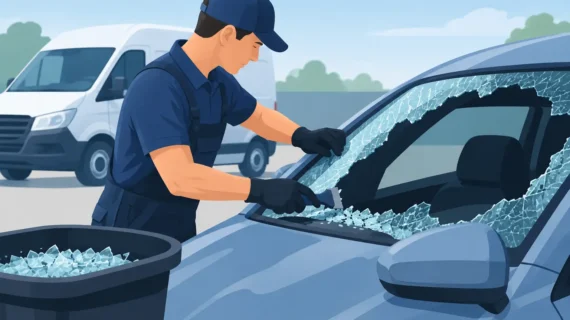
Car Glass Service provides on-site windscreen assessments and glazing work across West London for cars, vans and commercial vehicles. A technician can check the damage, explain the suitable option clearly and carry out the work using OEM-standard materials where required.
A small chip is worth dealing with early
A stone chip is rarely convenient, but it is easier to deal with before changing weather, vibration or normal daily driving makes it worse. Keep the area clean, avoid sudden temperature changes and arrange an assessment as soon as you can. A quick, informed decision now may save you from a larger glass problem when you need your vehicle most.



[…] structure, and moisture or dirt can enter the damaged area. Once that happens, the chances of the damage spreading increase, particularly when the vehicle is driven over uneven roads or parked outdoors through […]
[…] chip caused by loose gravel or road debris can become much more serious after repeated vibration, temperature changes or a rough speed bump. […]