8 Best Ways to Prevent Windscreen Cracks
A windscreen can pick up a stone chip in seconds on the A40, M4 or a busy West London road. The damage may look small at first, but heat, vibration and another pothole can turn it into a long crack without warning. Knowing the best ways to prevent windscreen cracks helps you avoid an unsafe vehicle, lost time and the cost of an unexpected replacement.
Your windscreen is more than a sheet of glass. It supports the roof structure, helps airbags work as designed and gives you a clear view of the road. Looking after it is straightforward, but it needs a little attention before minor damage becomes a bigger job.
Best ways to prevent windscreen cracks on the road
Keep a sensible gap behind other vehicles
Loose stones are one of the most common causes of windscreen damage. They are often thrown up by lorries, vans, road sweepers and vehicles travelling through roadworks. Tailgating gives a stone less time to drop before it reaches your glass, so keep a proper following distance, especially at motorway speed.
Give extra room to vehicles carrying aggregate, waste or tools. Even when a load is covered, grit and small debris can be sitting on the bodywork or tyres. If you hear a sharp impact, do not assume everything is fine just because the screen still looks clear from the driver’s seat. Check it when you can stop safely.
Slow down on rough roads and around roadworks
London roads can be hard on a vehicle. Potholes, raised covers and uneven temporary surfaces send vibration through the body of the car or van. That movement puts pressure on an existing chip or weak point in the windscreen.
You cannot avoid every poor surface, but reducing speed makes a real difference. Avoid driving straight through deep potholes where it is safe to do so, and take speed humps steadily rather than braking sharply at the last moment. For vans and commercial vehicles, secure heavy loads properly as well. A load that shifts around adds more vibration to the vehicle and its glass.
Do not shock the glass with sudden temperature changes
A cold windscreen and very hot water are a bad combination. On frosty mornings, pouring boiling or very hot water onto the glass can create a sudden temperature difference, particularly around a chip or at the edge of the screen. That stress can start a crack or make a small one spread.
Use the vehicle’s demister, allow the engine to warm gradually and use a proper ice scraper. The same rule applies in warm weather. Do not blast the air conditioning at full cold straight onto a windscreen that has been baking in direct sun. Bring the cabin temperature down in stages where possible.
Parking in shade can help during a heatwave, though it is not always practical. A windscreen cover is useful in winter because it reduces frost and saves you from aggressive scraping. It also helps keep leaves and debris away from the lower edge of the glass.
Replace worn wiper blades promptly
Wiper blades do not usually crack a windscreen by themselves, but damaged or dirty blades can score the surface and make it harder to spot new damage. A blade with exposed metal can leave permanent marks, while dry wiping drags grit across the glass.
Check that the rubber is smooth, flexible and making even contact with the screen. Replace blades that judder, leave streaks or split at the ends. Before using the wipers after parking beneath trees or near a building site, clear away leaves, dust and grit with a soft brush or rinse the screen first.
Keep washer fluid topped up all year, not just in summer. In winter, use a suitable screenwash mixture that will not freeze in the reservoir or on the glass. Plain water may seem fine until a cold morning leaves you unable to clean the screen safely.
Look after existing stone damage quickly
A small impact mark is the point at which prevention matters most. Do not press it with a finger, scrape at it or use a DIY kit without knowing the condition of the glass. Dirt and moisture can get into the damaged area, and changes in temperature may cause it to spread.
Keep the affected area clean and dry, and avoid directing a heated demister or high-pressure wash straight at it. Drive gently over rough surfaces until the glass has been checked. The position, size and type of damage all matter, particularly if it is in the driver’s direct line of sight.
Be clear about the difference between a chip and a crack. Once a windscreen is cracked, it needs replacing rather than repairing. A crack can quickly lengthen with road vibration or temperature changes, and it can affect visibility and vehicle safety. Waiting to see whether it gets worse is rarely a good plan.
If damage appears while you are away from home or at work, arrange professional help as soon as possible. A mobile fitting service is particularly useful when driving the vehicle would be unsafe or inconvenient. Car Glass Service provides windscreen replacement at your location across West London for cars, vans and commercial vehicles, so you do not need to take risks getting to a workshop.
Be careful when cleaning your windscreen
Cleaning the glass keeps your view clear, but the wrong method can create unnecessary stress. Never use a scraper with a damaged edge, a metal blade or an abrasive household pad. These can scratch the surface and weaken the protective outer layer.
Use clean water, automotive glass cleaner and a soft microfibre cloth. If the windscreen is very dirty, rinse it first to lift off grit instead of rubbing it into the glass. When using a pressure washer, keep a sensible distance and do not force a concentrated jet into windscreen edges, seals or existing damage.
Pay attention to the bottom corners and edges of the windscreen. These areas can collect dirt and leaves, holding moisture against the trim. While that will not usually cause an instant crack, keeping the area clean makes it easier to notice lifting seals, corrosion or other issues that need checking.
Avoid slamming doors with the windows shut
This may sound minor, but shutting a door hard creates a pressure change inside the vehicle. On a sound windscreen it is unlikely to be a problem. On a screen that already has a chip, edge damage or a developing crack, it can add to the strain.
Close doors firmly rather than forcefully, particularly on older vehicles and work vans that get opened and shut all day. If a side window or door does not close correctly, get it sorted instead of repeatedly slamming it. Good door alignment and seals protect more than just the windscreen.
Check fitting and bodywork after vehicle work
If you have had body repairs, roof-rack work, aerial fitting or dashboard work done, check that the windscreen trim and surrounding panels sit correctly afterwards. A windscreen must be fitted using suitable materials and correct preparation. Poor fitting can lead to water leaks, wind noise and movement that places extra stress on the glass.
This matters even more for working vans, campervan conversions and vehicles with roof accessories. Skylights, solar panels, roof racks and additional interior fittings should be installed with the vehicle structure in mind. A properly planned conversion should not put strain on surrounding glass or leave seals exposed to damage.
If you notice a new whistle at speed, water inside the cabin, loose trim or a screen that appears to move, arrange an inspection. These signs do not automatically mean the windscreen is unsafe, but they should not be ignored.
When prevention is no longer enough
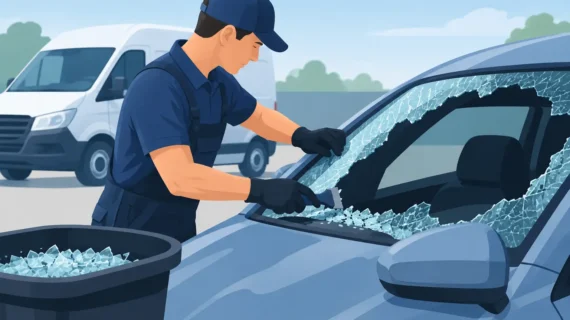
Some windscreen damage happens despite careful driving. A stone thrown from another vehicle, vandalism, a falling branch or an accident can leave you with no practical way to keep the screen in service. Do not drive with a crack that affects your view, reaches the edge of the glass or is growing.
A damaged windscreen may also lead to an MOT failure if it obstructs the driver’s view or is severe enough to affect safety. For fleet operators and tradespeople, delaying replacement can mean a vehicle sitting unused when it should be earning.
The sensible approach is simple: protect the glass before damage occurs, inspect it after every impact and act quickly if a crack appears. A clear, correctly fitted windscreen keeps your journey safer and helps you get on with the day without an avoidable roadside problem.