Shattered Glass Removal for Cars and Vans
A smashed car window leaves more than an obvious hole in the vehicle. Shattered glass removal needs to be thorough, because small fragments can work their way into seats, carpets, door trims and the boot long after the incident. Whether the damage follows a break-in, vandalism, an accident or an object striking the glass, the priority is making the vehicle safe, secure and ready to use again.
For drivers, tradespeople and fleet operators, the disruption is often the biggest problem. A broken side window exposes tools and belongings, lets in rain, and makes it unsafe to leave the vehicle unattended. The right response is not simply fitting new glass. It is careful clean-up, correct replacement glass and professional fitting that restores the vehicle properly.
Why shattered glass removal must be done properly
Vehicle safety glass is designed to reduce the risk of serious injury, but it can still leave hundreds of sharp pieces behind. Toughened side-window glass usually breaks into small cubes, while laminated windscreen glass tends to stay bonded together when it is damaged. Both need a different approach, and neither should be treated as a quick household clean-up job.
Fragments commonly fall inside the door shell, beneath the window seal, along the seat runners and into carpet edges. In vans, they can travel into load areas, behind ply lining or under rubber mats. A visible sweep may remove the largest pieces, but it will not necessarily deal with the glass you cannot see.
This matters for more than comfort. A fragment lodged in a seat can cut a passenger days later. Glass inside a door can rattle, affect moving parts or continue dropping out when the window mechanism is used. On a work van, loose glass around stored equipment creates an avoidable hazard every time the doors open.
What to do first after a window is smashed
Keep people away from the damaged area, particularly children and pets. Avoid touching the broken edge of the glass or brushing fragments away with bare hands. If the vehicle is on a public road or exposed car park, move it to a safe place only if it is legal and safe to do so.
Take a few photographs before clearing belongings from the vehicle. These may help if you need to speak with your insurer, report a crime or document damage to a company vehicle. Remove valuables, tools and loose items from the affected area carefully, checking bags and boxes for glass before placing them elsewhere.
If rain is likely, a temporary cover can protect the interior for a short time, but it is not a substitute for a new window. Tape and plastic can restrict visibility, flap while driving and leave adhesive residue on paintwork or trims. Do not drive if the damage affects your view, leaves loose glass near the driver, or means the vehicle cannot be secured.
How professional shattered glass removal works
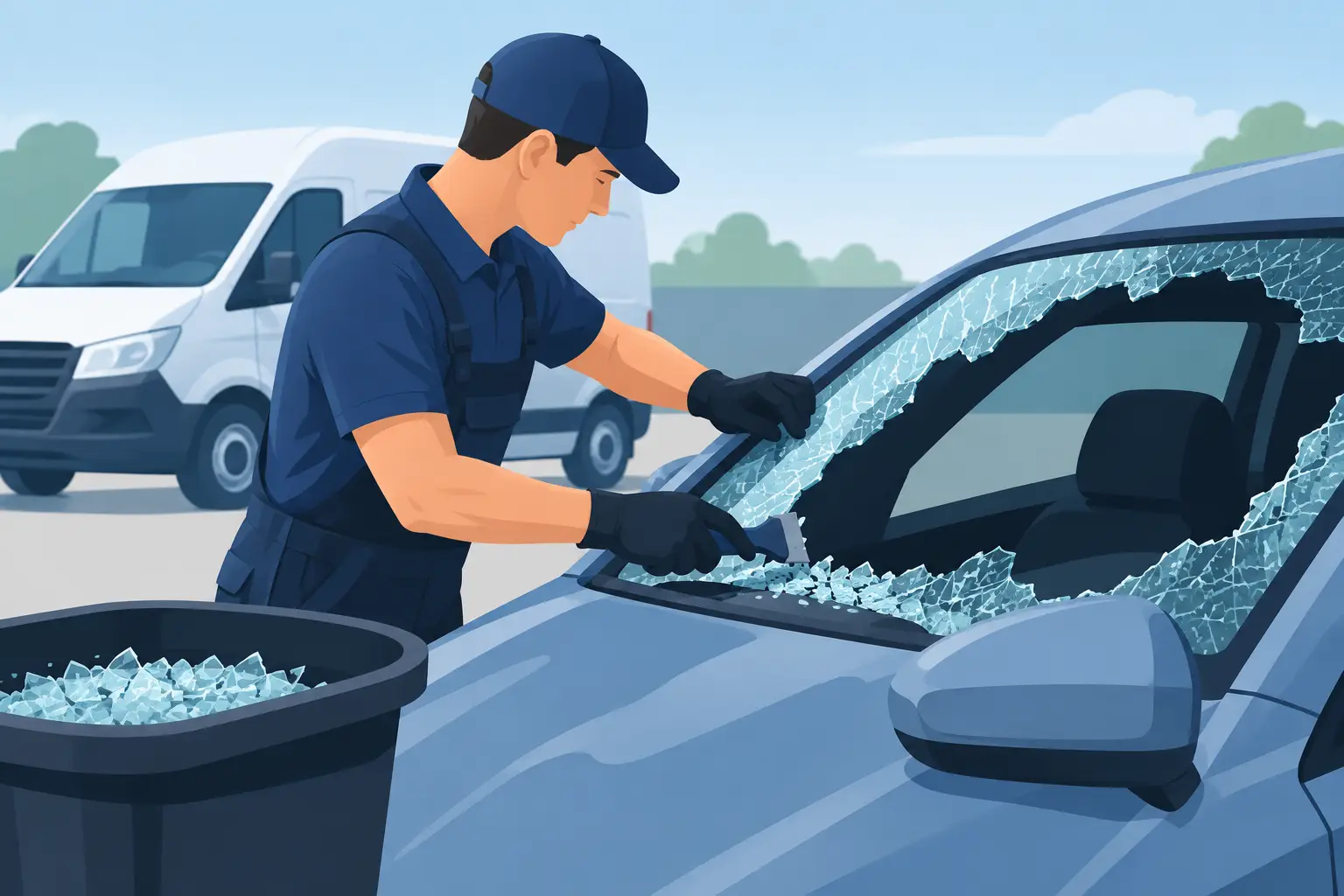
A proper vehicle glass service starts by assessing where the glass has broken and how far fragments may have spread. The technician removes loose pieces from the frame and door area before fitting replacement glass. The surrounding seals, clips and trim are inspected as well, because damaged fittings can cause wind noise, water leaks or a poorly seated window later on.
The interior is then cleared methodically. This normally includes vacuuming the seats, footwells, carpets, door pockets, boot or load space, and the channels around the damaged opening. Door panels may need to be removed so glass trapped inside the door can be cleaned out. This step is particularly important on electric windows, where fragments can interfere with the regulator and mechanism.
Once the area is clean, the replacement glass is fitted using suitable materials and the correct process for that vehicle. A side window, rear screen, quarter glass and windscreen are not interchangeable jobs. The fixing method, trim handling and any recalibration requirements depend on the make, model and type of glass.
For a van or commercial vehicle, it also makes sense to inspect the surrounding load area. Glass may be hidden under shelving, behind toolboxes or around floor coverings. Taking a little longer at this stage can prevent an employee or customer being injured by fragments later.
The replacement glass matters too
A secure fit is just as important as the clean-up. Quality standard glass and correct fitting materials help maintain the vehicle’s weather protection, visibility and structure. On modern vehicles, a windscreen may also support cameras or sensors used for driver-assistance systems, so the work must be approached with care.
The best solution depends on the damaged panel. A smashed side window is often an urgent security issue and may be replaced at your home, workplace or roadside location. A rear screen can involve heating elements, aerial connections or trims that need checking. A damaged windscreen requires an assessment to establish the safe next step, especially where the driver’s view is affected.
Why a quick DIY clean-up can cause problems
It is understandable to want to get moving straight away, especially when a van is needed for work. But sweeping glass into a bag and fitting a temporary cover can leave hidden risks behind. Ordinary domestic vacuums may not reach inside the door, and a brush can push fragments deeper into carpet or upholstery.
There is also the risk of damaging the vehicle while trying to remove remaining glass. Pulling at the edges can scratch paint, tear seals or bend trim. Forcing a window mechanism after a side glass breakage can make a straightforward replacement more complicated.
A professional service is particularly useful when the vehicle has leather seats, child seats, deep-pile carpets, a full van racking system or electrical components close to the damaged area. In these cases, the time saved by doing it yourself can disappear quickly if further cleaning or repairs are needed.
Mobile help when your vehicle cannot wait
A smashed window rarely happens at a convenient time. It may be outside your home before work, on a trade job, at a retail car park or after a late shift. Mobile vehicle glass fitting avoids the need to drive an insecure vehicle to a workshop and allows the clean-up and replacement to be handled where the vehicle is parked.
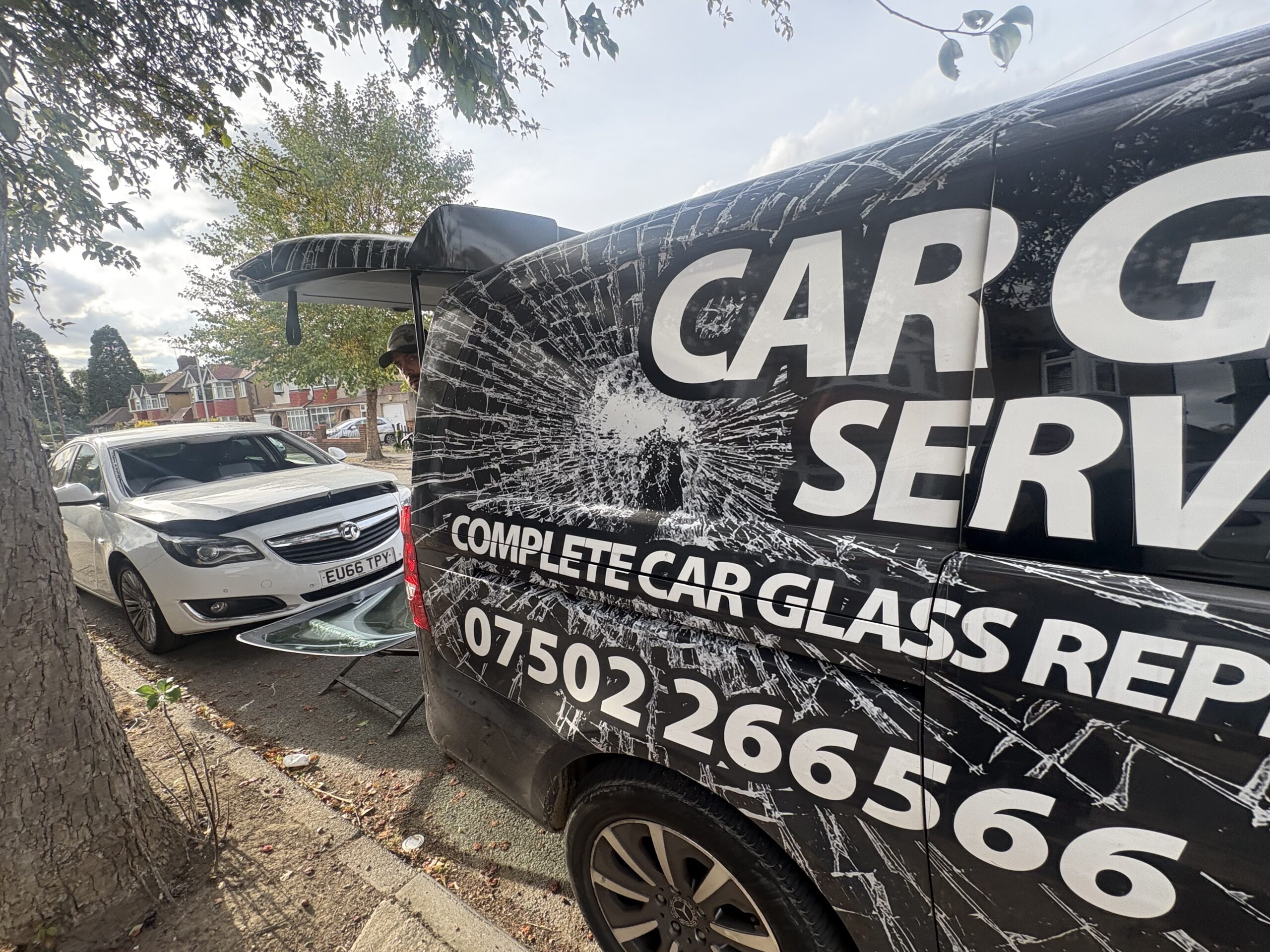
Car Glass Service provides mobile glass replacement across West London for private vehicles, vans and commercial operators. The service is suited to damaged side windows, rear screens, windscreens and other vehicle glass where prompt attention is needed. A clear quote by phone helps you understand the work before a technician is dispatched.
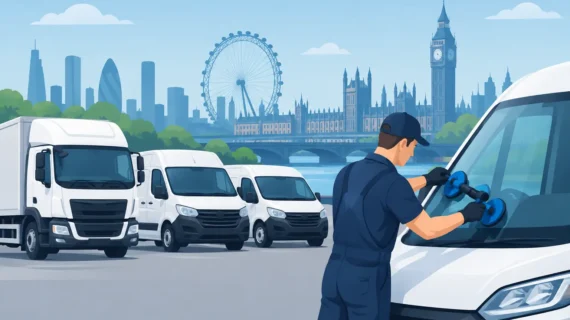
For businesses, responding quickly can reduce lost working time. A broken window on a Ford Transit, Mercedes Sprinter, Citroen Relay, Peugeot Boxer, Fiat Ducato or VW Crafter is not just an inconvenience when tools, deliveries or appointments are involved. Getting the vehicle cleared, secured and fitted with the right glass helps keep the day from becoming a longer disruption.
Extra care for vans and campervans
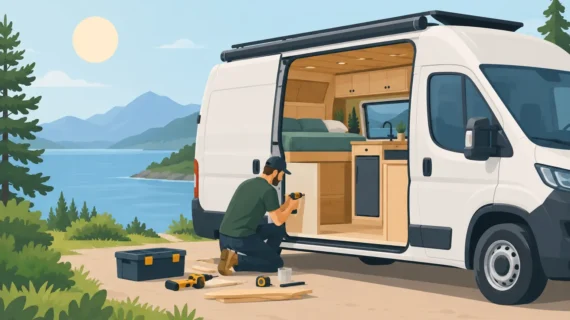
Van glass damage can be more involved than damage to a passenger car. Commercial vehicles often have exposed load spaces, rubber floors, bulkheads and shelving where fragments settle. Campervans may have insulation, furnishings, blinds, interior panelling and conversion windows that require a careful approach.
If a fixed or opening conversion window has been damaged, the replacement needs to match the purpose of the installation as well as the shape of the aperture. Water-tight sealing and secure fitting are essential. The same applies to skylights and rear glazing on converted vans, where a leak can damage interior finishes over time.
Do not assume all van windows are standard. A technician should identify the exact vehicle and glass type before work begins. Sending the registration, clear photographs of the damage and the vehicle’s location can help speed up the quotation and ensure the right replacement is arranged.
Choosing a vehicle glass service after a break-in
When you need help urgently, ask whether the service includes removal of broken glass from the vehicle, not just fitting a new pane. Confirm the vehicle make, model, year and the damaged glass position, then explain if there are special considerations such as tinted glass, heated rear glass, sensors, window film, racking or a camper conversion.
It is also worth being honest about access. A vehicle in a multi-storey car park, behind a locked gate or loaded with equipment may need a different arrangement. Good information at the start means less waiting and fewer surprises when the technician arrives.
A broken vehicle window is stressful, but it does not have to leave you dealing with glass under the seats for weeks. Call for a clear quote, keep the area safe, and let a proper shattered glass removal and replacement service get your vehicle secure again.