Van Skylights for Safer, Brighter Campers
A dark campervan can feel cramped long before you run out of floor space. Well-chosen van skylights change that quickly, bringing daylight into the centre of the vehicle and giving warm air somewhere to escape. But cutting a hole in a van roof is permanent work. The right skylight must suit the roof shape, the layout below it and the way you use the van.
For a weekend camper, a compact roof light may be enough. For a full conversion used for touring, cooking and sleeping, ventilation, insulation and weatherproof fitting matter just as much as the view of the sky. A skylight that is fitted properly should make the van more comfortable without creating leaks, rattles or unnecessary heat loss.
Why fit a skylight in a campervan?
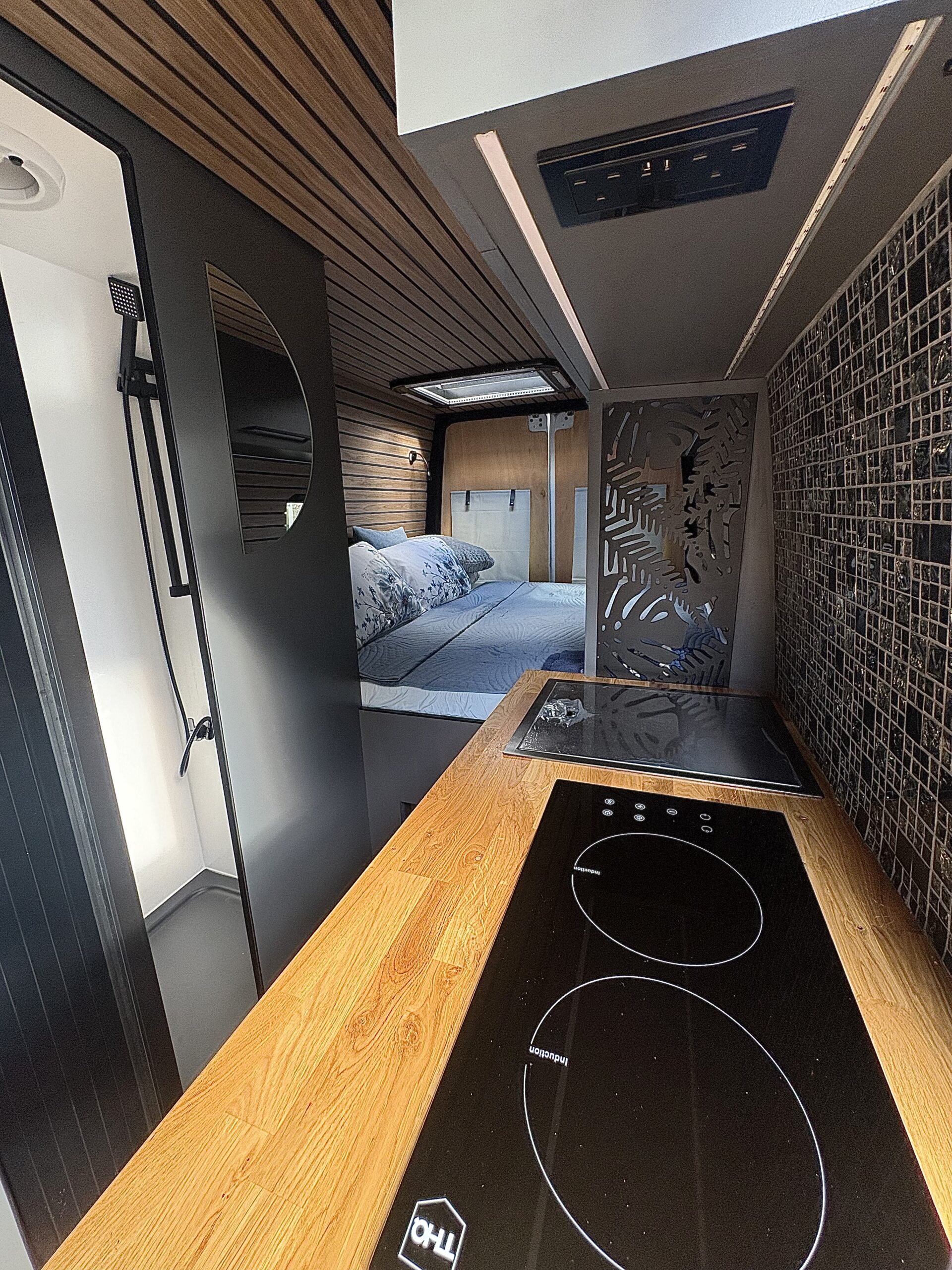
The main benefit is natural light. Side windows brighten the edges of a conversion, while a roof light sends light down into the living area. This is particularly useful in panel vans with solid rear doors or limited side glazing. During the day, it can reduce the need to run interior lights and make a compact space feel more open.
Ventilation is often the bigger advantage. Cooking, wet clothes, breathing overnight and heating systems all add moisture to the air. Without a route for that moisture to leave, condensation can build on glass, metalwork and soft furnishings. An opening skylight allows warm, damp air to rise out of the van, especially when paired with a slightly open side window.
There is a trade-off. Any roof opening can introduce more sun, road noise and heat loss if the unit is poorly specified or badly fitted. A good quality skylight with a secure internal blind, insect screen and insulated frame gives far better year-round results than a basic unlined roof vent.
Choosing the right van skylight
There is no single best size or style. The right choice depends on the van, the roof layout and whether the opening is mainly for daylight, airflow or both.
Fixed, opening or fan-assisted?
A fixed roof light is a simple option where the priority is daylight. It has fewer moving parts and may suit a van with plenty of opening windows elsewhere. However, it will not help much with steam after cooking or overnight condensation.
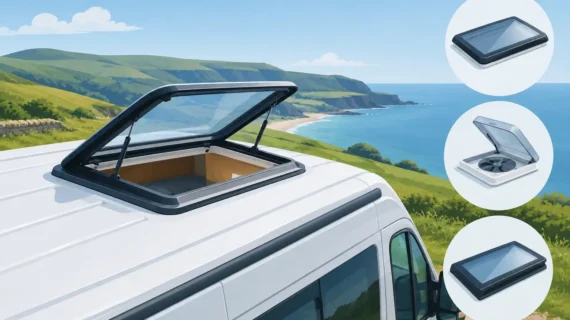
An opening skylight provides adjustable airflow and is usually the most practical choice for a campervan. Look for a unit with secure locking positions, a strong seal and an internal flyscreen. If you plan to use the van in colder months, a blackout blind is worth having. It helps retain warmth and makes early mornings more comfortable.
Fan-assisted roof vents are useful for regular overnight stays, pets or cooking in the van. They can extract stale air or draw fresh air in, depending on the model. They are more complex and require electrical installation, so the roof cut-out, wiring route and fuse protection all need to be planned before fitting.
Size and position matter
A larger skylight brings in more light, but it also requires a larger cut-out and takes up valuable roof space. That matters if you are fitting solar panels, a roof rack, an awning rail or a second vent. On many conversions, planning the roof before any holes are cut prevents expensive changes later.
The best position is commonly above the kitchen area or close to the centre of the living space, where rising heat and steam can escape. A skylight above the bed can be pleasant for daylight and views, but it may also let in early sun and outside noise. A blind solves much of this, but it should be part of the decision from the start.
Avoid placing the skylight where internal roof ribs, wiring, lighting, cupboards or a pop-top mechanism will cause problems. Van roofs are not flat in the same way as a house roof. They curve, flex and often include strengthening ribs, so the unit and fitting method must match the vehicle.
Roof shape and reinforcement on different vans
Popular conversion vans such as the Ford Transit, Transit Custom, Mercedes Sprinter, Volkswagen Crafter, Peugeot Boxer, Citroën Relay and Fiat Ducato all have different roof profiles. A skylight that fits neatly on one model may need an adaptor frame or different sealing approach on another.
Large roof openings can reduce support around the cut-out if they are not reinforced correctly. This does not mean a large skylight is unsuitable, but it does mean the installer should inspect the roof structure and select the correct frame. The internal trim should also finish cleanly, with no exposed sharp edges or gaps that let in draughts.
It is tempting to buy a universal unit and make it fit. In practice, a correctly sized product with the right mounting kit is usually the better route. It saves time during installation and gives the sealant a more consistent surface to bond to.
What professional fitting should include
Fitting a van skylight is more than marking a rectangle and cutting the metal. The roof must be measured carefully from inside and outside, checking for structural ribs, cables and any planned equipment on the roof. The cut line needs to be accurate, as a hole that is too large can be difficult to correct properly.
Once the opening is made, the exposed metal edges should be treated to protect against corrosion. The skylight frame is then installed with compatible sealant and the correct fixings. Sealant is not there to hide poor preparation. It is the final weatherproof barrier around a clean, well-supported installation.
Inside the van, the finishing frame needs to match the roof lining thickness. Many campervans have insulation and plywood lining, which makes the finished depth different from a bare panel van. A tidy internal finish protects the edge of the roof opening and gives the conversion a proper, built-for-purpose appearance.
A professional fitting should also include a check of the opening and closing mechanism, blind and flyscreen operation, and the seal around the external frame. Water testing after installation is sensible, especially before fitting ceiling panels or furniture that would make future access harder.
Preventing leaks, condensation and rattles
Most skylight problems come down to poor installation, unsuitable sealant or lack of maintenance. A roof light should sit evenly on the roof. If the frame is distorted to follow a curve it was not designed for, water can sit around the edge and put extra strain on the seal.
Check the skylight regularly, particularly after long motorway journeys, periods of strong sun or freezing weather. Keep the drainage channels clear, clean the rubber seals with suitable products and inspect for loose screws or cracked plastic. Do not use harsh cleaners that can damage acrylic glazing or dry out the seals.
Condensation around a skylight is not always a leak. On cold mornings, warm moist air inside the van can settle on the coolest surface. Better ventilation, insulation around the roof opening and using the blind sensibly can reduce this. If water is appearing between the roof and the frame, or staining the lining, arrange an inspection promptly rather than adding more sealant over the top.
Plan skylights alongside windows and solar panels
The best campervan conversions are planned as a whole. Side windows provide a view and cross-ventilation. A roof light gives upward ventilation and daylight. Solar panels support off-grid power but need clear, unshaded roof space. These elements work better together when their positions are decided before installation begins.
For example, a roof vent close to the kitchen can remove steam efficiently, while solar panels sit towards the front or rear where they are less likely to be shaded by the open skylight. If you are fitting opening side windows, consider how they will work with the roof light on windy or rainy days. Small decisions at the planning stage make daily use far easier.
Car Glass Service fits van conversion glass and skylights for campervans across West London, with options suited to working vans and leisure conversions. The work should always be based on the specific van, roof layout and conversion plans rather than a one-size-fits-all cut-out.
A skylight is one of the few upgrades you notice every day in a campervan. Choose the position carefully, use quality materials and have the roof opening fitted properly, and it will make the van feel lighter, drier and more enjoyable in every season.