Top Causes of Windscreen Cracks and What to Do
A windscreen crack rarely appears at a convenient time. It may start as a tiny line after a motorway journey, show up on a cold morning, or spread across the glass while you are on the way to work. Knowing the top causes of windscreen cracks helps you protect your vehicle, avoid a failed MOT and make a sensible decision before a small problem becomes a safety issue.
For drivers, van owners and fleet operators, the key is not to guess. Cracks affect the strength of the windscreen, can interfere with your view and often spread faster than expected. The right next step depends on the size, position and cause of the damage.
Top Causes of Windscreen Cracks
Stone and road debris impact
Stone impact is one of the most common reasons for windscreen damage in London and on faster roads out of the city. Loose chippings, grit, debris from roadworks and material falling from poorly covered vehicles can strike the glass at speed. Even a small impact can leave a chip with fine cracks around it.
The initial damage may look minor, particularly if it is outside your direct line of sight. However, the outer layer of the laminated glass has been weakened. Vibration, temperature changes and normal body movement can turn that chip into a long crack.
Keeping a sensible distance from lorries, construction vehicles and cars travelling over loose surfaces can reduce the risk, although it cannot remove it completely. If debris has hit your screen, have the damage assessed promptly rather than waiting to see whether it spreads.
Sudden temperature changes
Glass expands in heat and contracts in cold conditions. A sound windscreen is designed to cope with normal weather changes, but damaged or stressed glass is far more vulnerable. A cold windscreen exposed to very hot air from the heater, or an icy screen covered with boiling water, can allow an existing chip or weak point to open into a crack.
This is particularly common during winter mornings. It is tempting to clear ice quickly, but lukewarm water, a proper de-icer and gradual use of the heater are safer choices. Equally, on a hot day, avoid directing full cold air-conditioning straight at a windscreen that has been baking in the sun.
The weather is not usually the sole cause. It tends to expose damage or stress that was already present in the glass.
Existing chips left untreated
A chip is not simply a cosmetic mark. It creates a break in the glass structure, and moisture or dirt can enter the damaged area. Once that happens, the chances of the damage spreading increase, particularly when the vehicle is driven over uneven roads or parked outdoors through changing temperatures.
There is a practical trade-off here. Very small, clean and suitably positioned stone-chip damage may be suitable for specialist repair, preserving the original screen and keeping costs down. Once a crack has travelled, reached an edge, obstructed the driver’s view or affected the inner layer, a replacement is often the safer route.
Do not cover a chip with tape as a long-term solution or attempt a DIY fix that may trap dirt in the damage. Keep the area dry and arrange a professional inspection as soon as you can.
Potholes, speed humps and vehicle vibration
West London roads can be hard on vehicles. Potholes, deep drains, harsh speed humps and rough building-site access roads all send vibration through the body shell. That movement can cause a pre-existing chip to run into a crack, especially near the edge of the windscreen where the glass is under greater stress.
Vans and commercial vehicles are particularly exposed. They often carry tools, stock or heavy equipment, and their longer wheelbase can experience noticeable flex over poor surfaces. An overloaded vehicle, worn suspension or repeated heavy use may also add to the strain.
You cannot avoid every pothole, but slowing down safely for road defects, securing loads properly and keeping suspension components in good order will help. A crack that appears soon after a hard impact does not necessarily mean the road alone caused it – there may have been a previous chip that went unnoticed.
Poor fitting or incorrect glass installation
A windscreen is part of the vehicle’s safety structure, not just a pane of glass. On many modern vehicles, it contributes to roof strength and supports the correct operation of airbags. If it has been fitted with poor-quality materials, installed incorrectly or bonded before the aperture was properly prepared, stress can build around the edges.
Signs of a fitting-related issue can include cracking from the edge without a visible impact point, wind noise, water ingress or uneven gaps around the glass. These signs do not prove the cause on their own, but they should be checked by an experienced automotive glazing technician.
Quality OEM-standard glass, the correct adhesive system and proper fitting procedures matter. For vehicles with cameras or driver-assistance systems, the work may also require calibration after replacement so safety features continue to operate as intended.
Door slamming and body flex
Closing a door firmly will not normally crack a healthy windscreen. But if the glass already has a chip, edge damage or an installation issue, the pressure change inside the cabin and movement of the vehicle body can be enough to make the damage travel.
This is more likely on older vehicles, vans used daily by several drivers and vehicles parked on uneven ground. Repeated door slamming should be avoided, but it is usually a trigger rather than the underlying cause. The important point is that a screen showing a fresh crack needs checking before further use.
Accidents, vandalism and falling objects
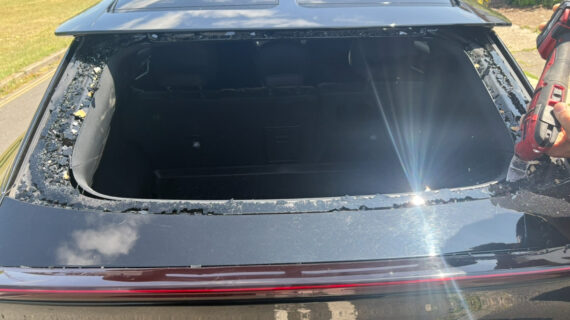
Not all damage begins with a small chip. A collision, attempted break-in, vandalism, a falling branch or items dropped during building work can crack a windscreen immediately. Even if the vehicle remains driveable, the glass may have lost strength or have internal damage that is difficult to see from outside.
Check for cracks on both the inside and outside of the screen, loose glass around the edges and signs that the rear-view mirror area has been disturbed. If visibility is affected, the crack is spreading, or the glass feels unstable, avoid driving until it has been assessed.
Why Crack Position Matters
The same-sized crack can present very different risks depending on where it sits. Damage in the driver’s direct view is a serious concern because it can distort vision, catch headlights at night and become more distracting in rain. It may also affect MOT compliance.
Cracks that start at the edge of the windscreen deserve prompt attention. The edge is where the glass meets the bonded frame, so a crack in this area can travel quickly as the vehicle flexes. Long cracks, multiple impact points and damage close to sensors or cameras also need a careful professional assessment.
There is no safe rule such as “drive it until it gets worse”. A crack may remain stable for a short time, then spread suddenly after one pothole or a sharp change in temperature.
What to Do When You Notice a Crack
First, do not pick at the damaged area or use household glue. Avoid blasting the windscreen with hot or cold air, and park in shade or under cover if practical. Take a clear photograph, including a wider image showing its position on the screen, as this helps when requesting a quote.
Next, consider whether the vehicle is safe to drive. If the damage is in your line of vision, has spread a significant distance, reaches the edge, or follows an accident, arrange professional advice before setting off. For a work van, this is especially important: poor visibility or unsafe glass can take the vehicle off the road at the worst possible time.
A reputable glazing specialist should explain whether the damage may be suitable for repair or whether replacement is required, without pushing work that is not necessary. Ask about the glass standard, fitting materials, safe drive-away time and calibration where your vehicle has windscreen-mounted safety technology.
Preventing Further Windscreen Damage
No windscreen is immune to impact, but a few habits make a genuine difference. Leave space behind vehicles that may throw up debris, replace worn wiper blades before they scratch the glass and avoid aggressive temperature changes when clearing ice. Check chips early, particularly after motorway driving, roadworks or trips on loose surfaces.
For business vehicles, include the windscreen in routine walk-around checks. Drivers should report chips, cracks, wind noise and water leaks immediately rather than leaving them for the next service. Early reporting protects safety and can prevent a minor defect from becoming a larger replacement job.
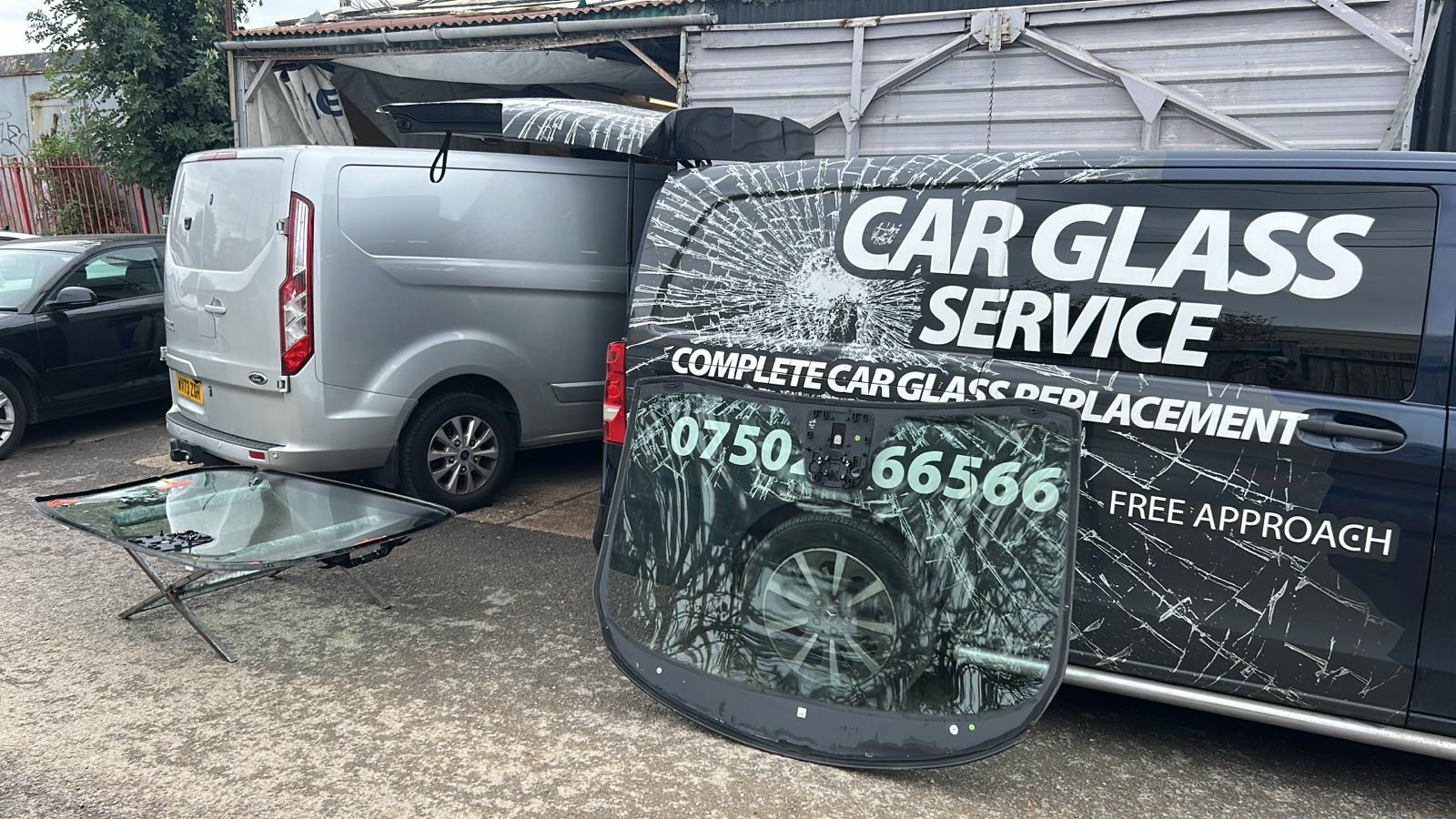
If a crack has appeared, prompt action gives you more options and removes the uncertainty. Car Glass Service provides straightforward on-site windscreen assessments across West London, helping drivers and operators get clear advice and safe, professional glazing work where it is needed.