When Should a Windscreen Be Replaced? Key Signs
A windscreen chip can look small enough to ignore on the school run or between jobs. Then a cold morning, a pothole or a change in temperature turns it into a long crack across your view. If you are asking when should a windscreen be replaced, the answer depends on the size, position and type of damage, as well as the safety systems fitted to your vehicle. Acting early is usually safer, less disruptive and can prevent a minor problem becoming an urgent one.
When Should a Windscreen Be Replaced?
Replacement is normally the right option when damage affects the driver’s view, reaches the edge of the glass, spreads into a crack, or compromises the way the windscreen supports the vehicle. A windscreen is not simply a pane of glass. It contributes to the car’s structural strength and helps airbags deploy correctly in many modern vehicles.
A professional assessment matters because two marks that appear similar can behave very differently. A small impact mark away from the driver’s line of sight may be suitable for a cost-saving repair. Damage near the edge, however, is under greater stress and is much more likely to spread. If there is any doubt about the safety or durability of the result, fitting a new windscreen is the sensible route.
The damage is in the driver’s direct line of vision
Anything that distracts, distorts or catches the light in the area directly in front of the driver needs careful attention. Even if a chip appears modest, resin marks, cracks and glare can reduce clear vision in rain, darkness or low winter sun.
This can also create an MOT issue. The rules consider the driver’s swept viewing area and the size of the damage, but safe visibility should come before trying to get through a test. If you find yourself looking around the mark instead of through the screen, arrange an inspection.
The crack is spreading or is longer than a small local mark
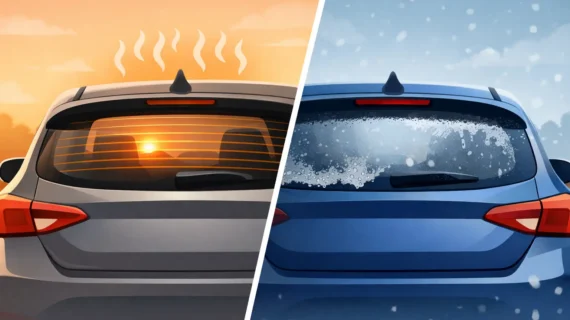
Cracks do not stay still. Vehicle vibration, slamming a door, speed bumps and changing temperatures all put pressure through the glass. Heated windscreens can be particularly affected when a damaged area is exposed to a rapid temperature change.
Once a crack has spread beyond a small, contained area, replacement is commonly needed. Do not wait to see whether it gets worse before booking help. A crack that reaches further across the screen can quickly turn a planned job into a same-day safety problem.
The damage reaches the edge of the windscreen
A chip or crack close to the outer edge deserves extra caution. The edge is where the glass is held within the vehicle body, so damage there can weaken the whole screen and spread much faster than a central chip.
This is one of the clearest situations where replacement is often advised. The damage may be out of your direct sightline, but its position can still affect the screen’s strength and long-term stability.
There are several chips or separate areas of damage
One small impact point is very different from multiple damaged areas. Several chips can make the screen harder to assess and can create repeated weak points across the glass. They can also scatter light badly during night driving.
If a windscreen has been hit more than once by road debris, the best value is not always the lowest immediate job cost. A replacement may provide the reliable, clear finish needed for safe daily driving, particularly for high-mileage cars, vans and fleet vehicles.
Damage That Means You Should Stop Delaying
Some situations call for a prompt booking rather than monitoring the problem. Arrange replacement quickly if the inner layer of laminated glass is damaged, the screen is badly shattered, a crack is growing every day, or the glass is loose around the frame.
Water entering around the windscreen is another warning sign. It may point to a failed seal, previous fitting issue or body damage around the aperture. Water can reach the headlining, electrical components and carpets, so it should not be treated as a minor inconvenience.
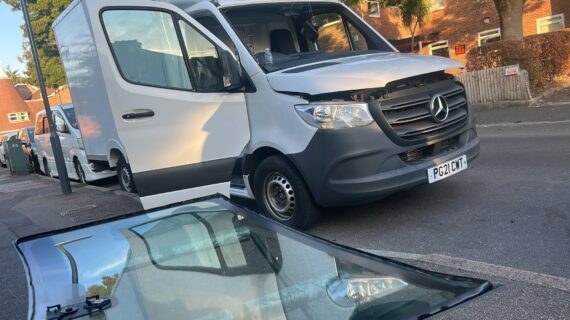
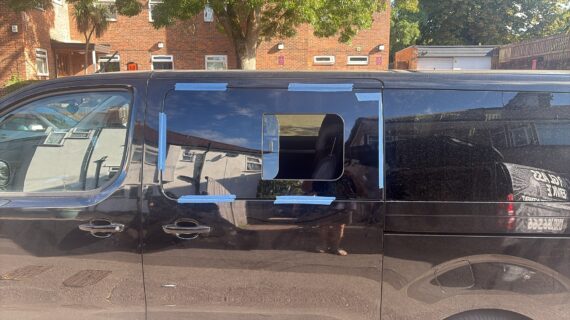
For a smashed side window, rear screen or van glass, replacement is generally required because these panels are usually toughened glass. When they break, they shatter into small pieces rather than remaining intact like a laminated windscreen. Clear-up, secure fitting and making the vehicle weatherproof should be handled as soon as possible.
Modern Windscreens Need More Than New Glass
Many newer cars, SUVs and vans have cameras and sensors mounted behind the windscreen. These can support systems such as lane departure warning, automatic emergency braking, traffic sign recognition and automatic headlights.
After a windscreen replacement, the relevant camera or sensor system may need calibration. This is not an optional extra or a cosmetic check. If the camera is not correctly aligned, safety features may not work as intended or may give unreliable warnings.
Always tell the glass technician about dashboard warnings, rain sensors, heated elements, heads-up display, cameras and any aftermarket equipment fitted near the screen. The correct glass specification and materials are essential. OEM-standard glass and professional bonding products help ensure the replacement matches the vehicle’s original design as closely as possible.
Can You Drive With a Damaged Windscreen?
It depends on the damage, but it is rarely worth taking chances. A minor chip away from the driver’s view may allow you to drive carefully to work or home while arranging an assessment. A spreading crack, poor visibility, loose glass or shattered panel should be dealt with urgently.
Driving with damage can leave you exposed to a penalty if your view of the road is seriously affected. More importantly, a compromised windscreen may not perform as it should in a collision. For tradespeople and van operators, it can also mean lost time, missed appointments and an avoidable vehicle-off-road period.
Avoid pressure-washing the damaged area, parking in extreme sun where possible, and blasting the demister straight onto a cold screen. These measures do not fix the problem, but they may reduce the chance of sudden spreading before a technician sees the vehicle.
What Happens During a Professional Replacement?
A proper replacement starts with checking the damage and confirming the exact vehicle glass required. The technician protects the paintwork and interior, removes the damaged screen carefully and clears old bonding material from the aperture. The frame is inspected for corrosion, damage or contamination before the new glass is fitted.
The replacement screen is then bonded using the correct automotive adhesive. This needs time to cure before the vehicle is safe to drive, and the safe drive-away time varies with the adhesive, weather conditions and vehicle type. A reputable technician will tell you clearly when the vehicle can be used.
The job should also include checking trims, seals, sensors and wipers, along with cleaning any broken glass from the vehicle where needed. For commercial vans, this attention to detail matters. A poorly fitted screen can lead to water leaks, wind noise and downtime that costs more than the original damage.
Choosing Between Repair and Replacement
The honest answer is that not every mark requires a new windscreen. Small, contained chips can sometimes be repaired if they are away from the edge and outside the critical viewing area. A technician should inspect the damage rather than make promises from a photograph alone.
Replacement becomes the better choice when repair would leave unsafe visibility, offer an uncertain long-term result, or fail to restore the screen’s intended strength. It is particularly worth being cautious with luxury vehicles, vehicles with driver-assistance cameras, and working vans that spend long hours on the road.
For drivers across West London, an on-site service can make this far easier. Rather than losing half a day at a workshop, the glass can be assessed and replaced at home, work or a secure location, subject to suitable access and weather conditions.
If your screen has changed from a small mark into a growing concern, do not wait for it to decide the timing for you. Car Glass Service can provide a clear assessment, an honest quote and professional fitting to help get your vehicle safely back on the road.