Privacy Glass vs Clear Van Windows – Which Is Best?
A new side window changes more than the look of a van. It affects how safe your tools feel when parked, how bright the cabin is, how private a camper feels at night and how easily you can see around the vehicle. When choosing privacy glass vs clear van windows, the right answer depends on how you use the van every day – not simply on which one looks better in photos.
For a working van, visibility and security are usually the main concerns. For a camper conversion, natural light, sleeping privacy and the finished appearance often carry more weight. Both types can be professionally fitted using vehicle-specific, OEM-standard glass. The key is to choose the specification before the aperture is cut and the glass is bonded in.
What is privacy glass on a van?
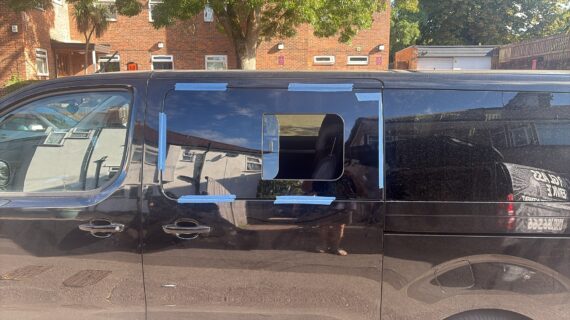
Privacy glass is darkened glass, normally used in rear side windows and rear doors. It is not the same as a blacked-out panel and it does not make the inside completely invisible. In daylight, it makes it much harder for people to see into the van from outside, especially when the interior is darker than the street outside.
Factory-style privacy glass is coloured through the glass itself. This gives a consistent finish, avoids the bubbling or peeling sometimes associated with low-quality tint film, and is designed for automotive use. The level of tint varies by manufacturer and glass supplier, so two windows described as privacy glass may not look identical.
At night, the effect is reduced if you have lights on inside. Anyone standing close to the window may still see shapes, movement or valuable items. Curtains, thermal blinds or fitted covers remain useful for a campervan and are sensible for vans carrying tools.
Privacy glass vs clear van windows for daily use
Clear glass gives you the most natural view in every condition. It makes a van cabin feel more open, helps passengers see out and provides better awareness when checking side roads, cyclists and pedestrians. If you regularly carry people in the rear, clear windows can make the journey more pleasant, particularly for children or anyone who dislikes a dark interior.
Privacy glass offers a cleaner, more discreet finish. It is a popular choice for panel vans with rear side windows because it softens the commercial look without turning the vehicle into a full camper overnight. For tradespeople, it can also avoid displaying toolboxes, shelving and stock to every passer-by.
There is a trade-off. Darker glass reduces glare and can make bright summer driving more comfortable, but it also reduces the amount of light entering the van. On a wet winter afternoon or in an unlit car park, the view through privacy glass will be darker than through clear glass. Good mirrors, reversing sensors and a camera can help, but they do not replace sensible visibility.
Security: useful deterrent, not a security system
Privacy glass can discourage opportunistic theft because it conceals what is inside. That matters when a van is parked on a residential street, outside a customer property or at a job site. It may prevent someone spotting a bag, equipment case or loose tools at a glance.
However, privacy glass is still glass. It does not stop a determined break-in, and it should not be treated as a substitute for secure storage, an alarm, additional locks or removing valuables overnight. A tidy load area and lockable internal cabinets offer far more protection than tint alone.
Light, heat and comfort in a camper conversion
Clear windows bring daylight into a campervan. This can make a compact wheelbase feel noticeably larger and reduce the need to switch on interior lights during the day. If your layout includes a side bench, bed or dining area beside the window, clear glass gives you a better connection to the view outside.
Privacy glass creates a more enclosed, relaxing space and reduces the feeling of being on display at campsites or when parked up. It can also cut some solar glare, though it will not eliminate heat build-up in direct sun. Ventilation, roof skylights, insulated blinds and suitable window positions are much more significant for keeping a camper comfortable.
Many conversions use a mixed approach: privacy glass in the rear living and sleeping area, with clear glass where maximum outward visibility is wanted. This often gives the van a balanced appearance while keeping the interior practical.
Where can privacy glass legally be fitted?
The position of the window matters as much as the tint. UK rules on light transmission are strict for glass that affects the driver’s direct view. The windscreen must allow at least 75% of light through, while front side windows must allow at least 70%.
That means dark privacy glass is generally suited to rear side windows and rear doors, rather than the front doors. A dark film added to front glass can cause legal and MOT issues if it takes the glass below the required light level. It may also make driving harder in poor weather or at night.
For any van window conversion, the glass should be suitable for the vehicle and correctly marked for automotive use. The opening needs to be accurately cut, protected against corrosion and finished with the right bonding materials. Poor fitting can lead to water leaks, wind noise, loose trim and, in serious cases, compromised safety.
Choosing the right window style
The glass tint is only one part of the decision. You also need to consider whether the window should be fixed, opening or sliding.
A fixed privacy window is a strong choice for a work van where security, appearance and keeping the weather out are the priorities. It gives light into the load area without adding an opening mechanism.
An opening or sliding window makes more sense in a campervan, particularly near a bed or cooking area. Fresh air is valuable when sleeping, drying wet clothes or using the van through warmer months. Privacy glass works well with this style, but check that the opening section suits your planned furniture and any flyscreens or blinds.
Window placement also deserves thought. A window installed behind the driver can improve visibility at junctions and make a long van easier to manoeuvre. A rear-quarter window can brighten a sleeping area without exposing the whole interior. Before fitting, consider shelving, insulation, electrics, solar panel controls, cupboards and where people will sit or sleep.
Cost and fitting considerations
Clear and privacy glass are both available for many popular vans, but pricing varies with the vehicle, wheelbase, number of windows and whether the glass is fixed or opening. Curved glass, bonded windows, sliding sections and rear door glazing can all change the work involved.
It is worth getting the specification right at the start. Retrofitting tint later may not give the same finish as privacy glass, and changing a window after furniture or wall lining has been installed can add unnecessary labour. Give your glass specialist the van make, model, year and which panels you want glazed, then explain whether it is a work vehicle, day van or full camper conversion.
A professional fitting should include careful measurement, clean cutting where required, corrosion protection around the exposed metal, proper automotive bonding and a check for a weather-tight finish. The van should be kept dry while the bonding cures as advised. If a window has been smashed, all broken glass should also be cleared from the door cavity, seals and interior before the replacement is fitted.
Which option should you choose?
Choose clear van windows if rear visibility, maximum daylight and an airy cabin matter most. They suit passenger-carrying vans, family day vans and owners who regularly drive in darker conditions.
Choose privacy glass if you want a discreet exterior, less visibility into the load area and a more private campervan interior. It is particularly practical for rear and side sections behind the driver, where it can improve the look of the van without affecting the most critical forward sight lines.
If you are unsure, do not choose by tint alone. Think about where you park, what you carry, how often you sleep in the van and whether each window needs to open. Car Glass Service can advise on suitable van window options and provide professional fitting across West London. A well-planned glass layout will make the van easier to use long after the conversion is finished.