Best Rear Door Glass Options for Cars and Vans
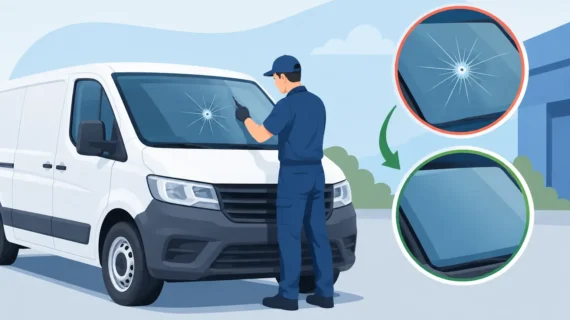
A smashed or misted rear door window is more than an inconvenience. It affects visibility, security and, on a van, the way you work every day. The best rear door glass options depend on the vehicle, how it is used and whether you need clear sight lines, greater privacy or a practical finish for a conversion.
For most drivers, the right answer is not simply the first pane of glass available. Rear door glass must match the vehicle correctly, fit safely and work with any heating, antenna or trim features already in place. A proper assessment before fitting avoids leaks, rattles and poor visibility later on.
Start with the type of rear door glass you need
Rear door glass can mean different things on different vehicles. On a hatchback, estate or SUV, it may refer to the rear windscreen in the tailgate. On a van, it often means the glazed panels fitted into one or both rear barn doors. Passenger cars may also have small fixed panes beside the rear doors, sometimes called quarter glass.
The vehicle registration, make, model and year normally identify the correct glass. However, a technician should also check the shape of the opening, tint level, heating elements, camera mounts, aerial connections and whether the glass is bonded or fitted with a rubber seal. These details matter. Two versions of the same van can use different rear glass depending on the trim level and factory specification.
Clear rear door glass for everyday visibility
Clear glass is the standard choice for many cars, commercial vans and fleet vehicles. It gives the strongest view through the rear of the vehicle and helps when reversing, parking or keeping an eye on tools and stock through the rear doors.
For a working van, clear rear door glass can make a real difference in busy streets, loading bays and tight driveways. It also works well where rear-view cameras are not fitted or where drivers prefer a direct view rather than relying entirely on mirrors.
The trade-off is privacy. Anyone outside can see into the load area if there is no bulkhead, curtain or internal lining. If you regularly carry valuable equipment, clear glass may suit your visibility needs but require additional security measures.
Heated clear glass
Many rear windscreens and rear van door panes are available with heating elements. These fine lines clear condensation, frost and light misting, helping restore rearward visibility on cold or wet mornings. If your existing rear glass is heated, the replacement should be compatible with the vehicle’s electrical connections.
A heated pane is especially worthwhile for daily drivers and vans that start early. It is not an add-on that should be improvised after fitting. The wiring, terminals and glass specification must be checked properly before the new pane is installed.
Privacy glass for security and a cleaner look
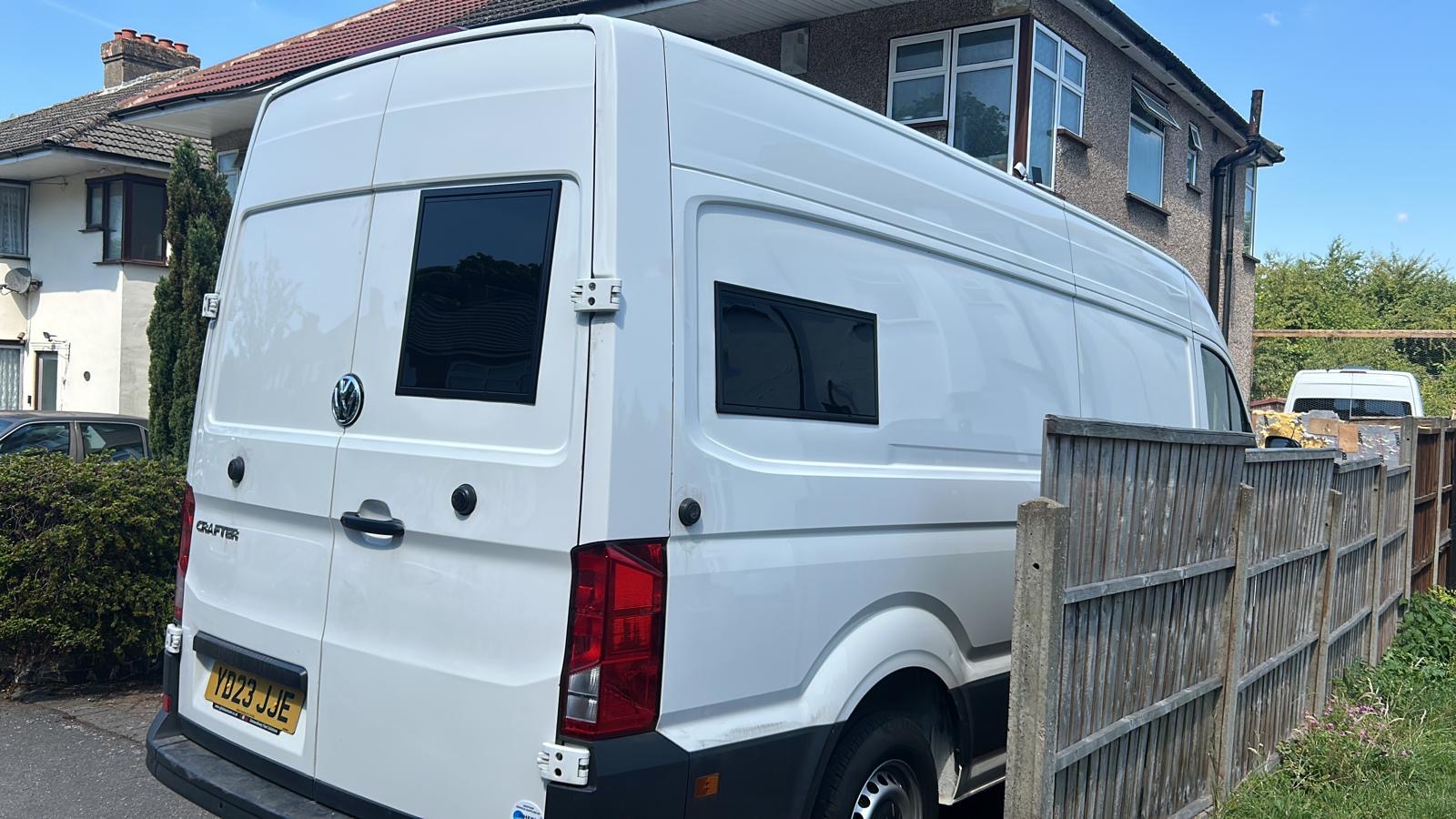
Privacy glass is one of the most popular rear door glass options for SUVs, people carriers, vans and campervans. It reduces how easily people can see into the rear of the vehicle while giving a smarter, factory-style appearance.
For tradespeople, darker rear door glass can keep tools, materials and equipment less visible from the pavement. It is a sensible layer of deterrence, though it is not a replacement for secure locks, an alarm or sensible storage. A determined thief may still know a van contains equipment, particularly if it is sign-written or regularly parked at the same site.
For campervan conversions, privacy glass offers another benefit: it makes the living area feel more private when parked overnight or using the van during the day. It can also reduce glare and some solar heat, although the exact performance depends on the glass specification.
Privacy levels vary. Very dark glass may look good, but it can reduce visibility in poor light when reversing. This is why many van owners pair darker rear glass with reversing sensors or a camera. The best choice is often a moderate privacy tint that still allows a useful view out in the evening.
Factory-tinted glass versus applied film
Factory-tinted privacy glass and aftermarket film are not the same thing. Tinted glass is coloured as part of the pane and provides a durable, consistent finish. It is usually the preferred option when replacing broken rear door glass or fitting windows as part of a professional van conversion.
Film can be useful where the original glass is undamaged and the owner wants a darker appearance. However, poor-quality film can bubble, lift at the edges or make it harder to see through the glass. It can also complicate future glass replacement, as the film needs removing and replacing.
Where a rear door pane has already been smashed or needs replacement, fitting correctly specified privacy glass is generally the neater long-term route. It gives a uniform finish and avoids adding an extra layer to a pane that may not have been designed for it.
Rear door glass for van conversions
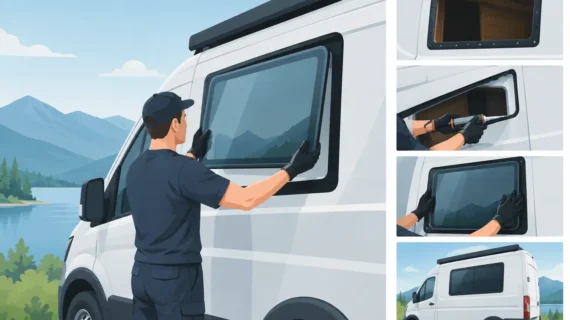
When converting a panel van into a campervan, rear door windows can change the whole feel of the vehicle. They bring daylight into the living space, improve the view when parked and reduce the closed-in feel of a fully lined van.
The key decision is whether to glaze one rear door or both. One window can preserve more wall space for cupboards, storage or a bed layout. Glazing both doors gives more light and a more balanced look from outside. The right choice depends on the internal layout, not just the appearance of the van.
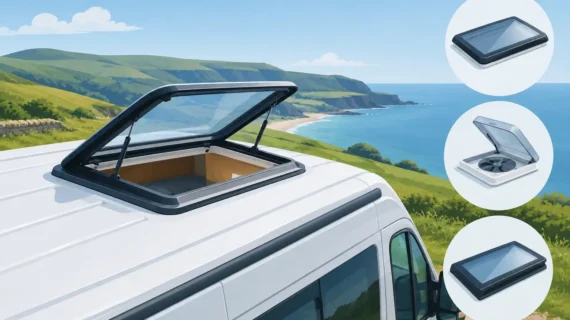
Opening rear windows are sometimes considered for ventilation, but rear-door installations need careful thought. Hinged rear doors are opened and closed frequently, so the glass, seals and surrounding metalwork must be fitted accurately. For many conversions, fixed bonded glass is the lower-maintenance option, while roof vents or side opening windows provide ventilation where it is most useful.
A professional installation is vital. The aperture needs to be cut cleanly, treated against corrosion and prepared with the correct primers and bonding materials. Poor preparation can allow water ingress, wind noise and rust around the opening – problems that can be expensive to put right once interior lining and furniture are installed.
OEM-standard glass and correct fitting matter
Rear glass is a safety component, not just a cosmetic panel. Tempered rear door glass is designed to break into small fragments rather than dangerous sharp shards. Laminated glass, used in some vehicle positions, remains held together by an interlayer when damaged. The correct type is determined by the vehicle design and approval requirements.
OEM-standard glass and materials provide the right shape, fit and performance for the vehicle. That does not always mean a branded manufacturer pane is the only suitable choice, but it does mean the replacement must meet the proper specification. A glass that is slightly wrong in shape or thickness can lead to stress points, poor sealing and problems with trim alignment.
The fitting process should include removing broken fragments from the door cavity and vehicle interior, checking the frame, preparing the bonding surface and refitting trims securely. If a heated screen, camera, sensor or aerial is involved, these functions should be checked afterwards. A rushed fit may look acceptable at first but reveal itself through leaks after the next heavy rainfall.
Choosing the best option for how you use the vehicle
If rear visibility is your main priority, clear heated glass is often the sensible choice. If you carry tools or use a van as a camper, privacy glass gives a useful balance of discretion and appearance. If the vehicle is being converted, plan the rear windows alongside the bed, storage, lighting and ventilation rather than treating them as a last-minute extra.
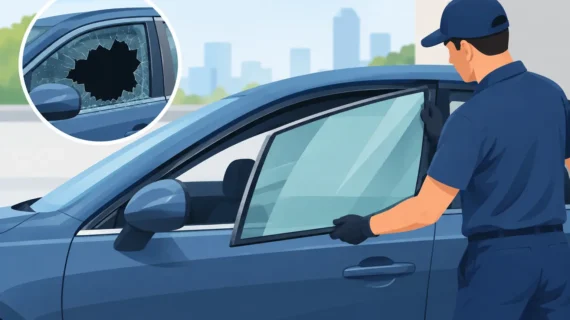
There is also the question of damage. A single broken rear door panel may be all that needs replacing, but it is worth checking adjacent trim, seals, heating connections and the door frame after vandalism or an impact. Glass fragments can fall into door mechanisms and cause trouble later if they are not cleared out fully.
Car Glass Service provides rear glass supply and fitting for cars, vans and conversion projects across West London. A clear photo of the damaged area, together with the vehicle registration and details of any heating or tint, helps us identify the right option before attending.
Whether you need a clear replacement to get back to work, privacy glass for a more secure load area or new rear windows for a campervan build, choose the glass around the way you actually use the vehicle. The best result is a safe, correctly fitted pane that looks right and keeps doing its job through every journey.