When to Replace Damaged Van Glass Safely
A broken van window is more than an inconvenience when your vehicle is your livelihood. It can leave tools exposed, let in rain, create a security risk and stop a driver from seeing properly. If you are wondering when to replace damaged van glass, the safe answer often comes down to where the damage is, how severe it is and whether the van can still be used safely.
For tradespeople, delivery drivers and fleet operators, waiting can cost more than the glass itself. A prompt replacement protects the vehicle, keeps the job moving and avoids a small problem turning into a failed MOT, water damage or a break-in opportunity.
When to replace damaged van glass immediately
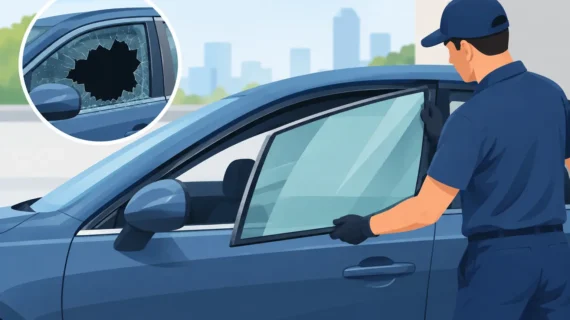
Some damage does not leave room for debate. A smashed side window, broken rear screen or shattered windscreen needs replacement as soon as possible. Loose fragments can cause injury, and a missing window leaves the cab or load area open to weather and theft.
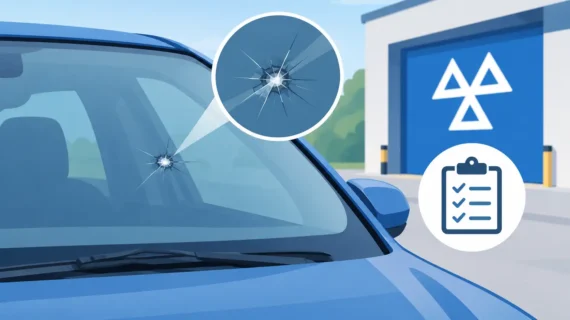
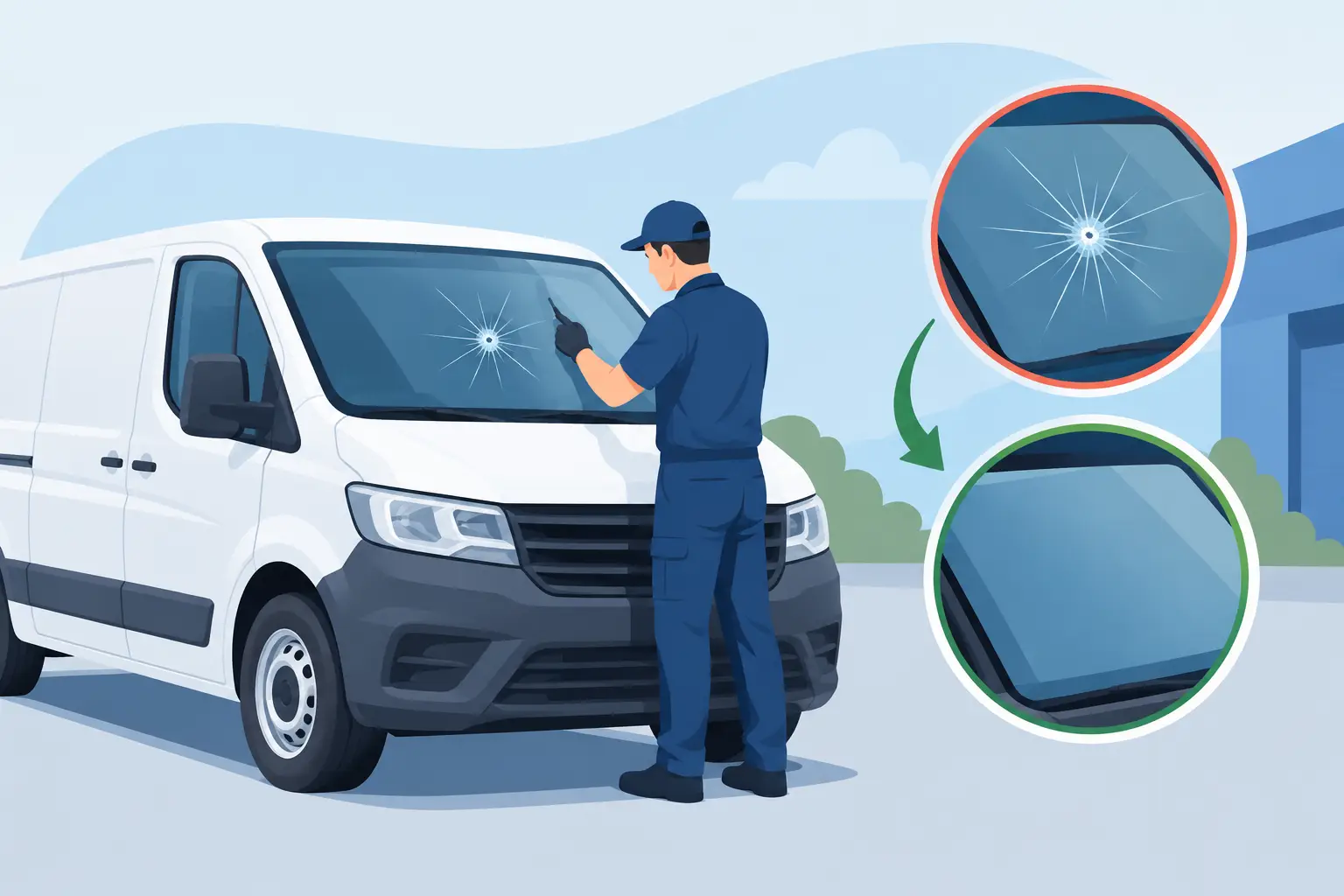
A windscreen should also be replaced without delay if there is a crack, damage in the driver’s main viewing area, or a break that affects the edge of the glass. The windscreen is part of the vehicle’s structure. It helps support the roof and gives the driver a clear, protected view of the road. Driving with compromised glass is not worth the risk.
Replacement is normally the right choice where there is:
- A crack in the windscreen, especially one that is spreading
- Shattered, broken or missing side, rear or tailgate glass
- Glass damage around the edge of the windscreen or window frame
- Deep impact damage that leaves the glass weakened or distorted
- A window that will not close, seal or stay securely in place
Do not rely on tape, plastic sheeting or a temporary cover for longer than necessary. It may keep out some rain, but it does not restore security, visibility or the strength of the original glass.
Windscreen damage can affect more than visibility
Van windscreens take constant punishment from motorway grit, loose debris, sudden temperature changes and heavy daily mileage. What first looks like a minor mark can become a longer crack after a pothole, a slammed door or a cold morning.
A crack can distract the driver, catch light from headlights and reduce clear vision in rain. If it sits in the swept area of the wipers, it may also affect the vehicle’s MOT status. On a work van, the practical impact is even greater. One lost day can mean rearranged bookings, missed deliveries and a team left without transport.
Modern vans may have cameras, rain sensors, heating elements or driver-assistance equipment fitted around the windscreen. These features need correct fitting and, where required, proper calibration after replacement. This is not a job for rushed fitting or unsuitable glass. The screen, adhesive and preparation work all need to be right.
Side and rear van windows need fast attention
Side window damage is common after a break-in, particularly where tools or equipment are visible. Even if the van still drives, it is not properly secure. Glass fragments can remain in the door, seats, dashboard, rubber seals and load area, so careful clean-up matters as much as the new glass.
Rear screens and tailgate windows are equally urgent. They protect cargo, keep exhaust fumes and rain out of the vehicle, and give the driver essential rearward visibility. On vans with heated rear glass, the replacement should match the correct specification so the demister works as it should.
A damaged fixed side window can also cause leaks that are not obvious straight away. Water may find its way behind trims and lining panels, leading to damp interiors, mould, electrical faults or corrosion. Replacing the glass promptly is usually far simpler than dealing with the damage caused by weeks of water ingress.
How to decide if your van is safe to drive
The vehicle should not be driven if the driver’s view is affected, glass is falling out, the windscreen is badly cracked, or sharp fragments are still present. If the damage is on a side or rear window and the van must be moved, keep the journey short, avoid carrying unsecured items and arrange replacement at the earliest opportunity.
It also depends on the type of vehicle and how it is used. A privately used van parked securely overnight may be easier to manage temporarily than a work van carrying expensive tools or goods. A fleet vehicle that is on the road all day needs a faster solution to protect both the driver and the operation.
When calling for a quote, have the registration, make, model, year and a clear description of the damaged glass ready. Photos can help confirm the right part, particularly for rear screens, opening windows, quarter glass and specialist commercial vehicles. This helps avoid delays and means the technician arrives prepared.
What a proper van glass replacement involves
A good replacement is not simply a case of removing broken glass and fitting another pane. The surrounding frame, trims, seals and fixing points need checking first. On a windscreen, the bonding area must be prepared correctly so the new glass sits securely and seals properly.
For a smashed side window, the door and interior should be cleared of loose glass before the replacement is fitted. Window mechanisms, guides and rubber channels should also be checked, because damage from forced entry can affect more than the glass. A window that drops, rattles or leaks after fitting is not a proper finished job.
Car Glass Service provides on-site van glass replacement across West London for many types of commercial vehicle, including Ford Transit and Transit Custom, Mercedes Sprinter, Citroën Relay, Peugeot Boxer, Fiat Ducato and Volkswagen Crafter models. High-quality standard glass and suitable fitting materials are used to give a secure, weatherproof finish without the need to take valuable time out for a workshop visit.
Replacement glass for campervans and converted vans
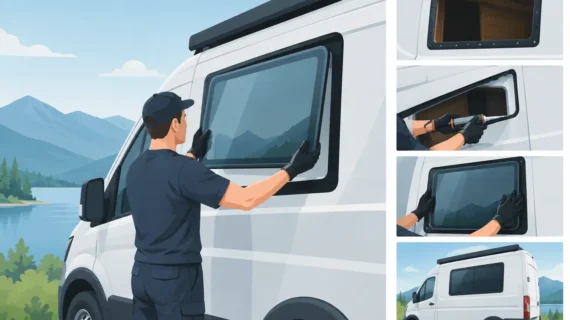
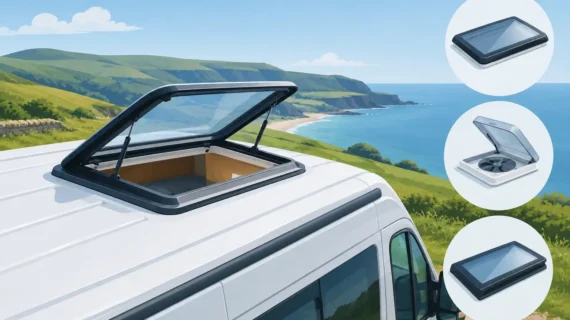
Converted vans need a more careful approach than a standard panel van. Fixed side windows, opening windows, privacy glass, rear windows and skylights all need to suit the layout of the conversion and the shape of the vehicle body.
If a campervan window is cracked, leaking, broken or no longer secure, replacement should not be delayed. Water entering a converted van can damage insulation, ply lining, electrical systems, furniture and soft furnishings. A poor seal may seem minor at first, but it can create a costly interior problem over time.
There is also a difference between replacing like-for-like and changing the vehicle layout. A new opening side window can improve ventilation, while privacy glass can make a campervan more comfortable and secure. The glass must be fitted cleanly, positioned correctly and sealed properly to protect the conversion work already completed.
Do not let a damaged screen disrupt the working week
It is understandable to put off a replacement when the van is booked in, loaded up or needed for work the next morning. But damaged glass rarely becomes less inconvenient. Cracks can spread, wet weather can expose failed seals, and an unsecured van becomes a target.
Fast action is particularly useful after vandalism or a break-in. Once the vehicle has been made safe, the next priority is getting the correct glass fitted, clearing the broken pieces and restoring security. For businesses with several vehicles, keeping a reliable local glazing specialist on hand can reduce downtime when the unexpected happens.
If your van glass is cracked, smashed, loose or letting in water, arrange an assessment before the next journey. A clear view, a secure load area and a properly sealed vehicle make it easier to focus on the work waiting at the other end of the road.