Car Glass Insurance Questions Answered Clearly
A smashed side window outside your home, a windscreen damaged on the M4, or a broken rear screen on a work van can turn into an urgent problem quickly. The most common car glass insurance questions are usually not about policy wording – they are about what happens next: Can I drive? Will I pay an excess? Do I have to use the insurer’s nominated company? And how soon can the glass be replaced?
The answer depends on your policy and the type of damage, but you should not wait to make the vehicle safe. A missing side window leaves the vehicle exposed to weather, theft and broken glass. A damaged windscreen can affect visibility and vehicle safety. A clear photo, your registration number and a quick call to your insurer or glass specialist will normally establish the practical next step.
Does car insurance cover damaged glass?
Many comprehensive motor insurance policies include separate glass cover for a windscreen, rear windscreen, side window or sunroof. This may cover the cost of repair or replacement, usually subject to a glass excess. Glass cover is often handled differently from an accident claim, but every policy has its own conditions.
Third-party-only policies do not usually include glass cover. Third-party, fire and theft cover may include it in some cases, but it should never be assumed. Check your certificate of insurance, policy schedule or insurer’s app before authorising work if you want to claim.
Damage caused by vandalism, a break-in or an accident may be dealt with under a different part of the policy. For example, a side window smashed during a theft attempt may involve both the glass claim process and a crime reference number. Your insurer can confirm what evidence they require.
Will a glass claim affect my no-claims discount?
This is one of the car glass insurance questions that matters most at renewal. A windscreen or window claim often does not reduce a no-claims discount, but that is not a universal rule. It can still appear in your claims history, and a claim may affect future premiums depending on the insurer and your circumstances.
Ask the insurer two direct questions before proceeding: whether the claim will affect your no-claims discount, and whether it must be declared at renewal. Get the answer in writing if possible. It takes little time and avoids uncertainty later.
It is also worth comparing the excess with the quoted cost of the work. If the excess is close to, or higher than, the replacement cost, paying privately may make more sense. For a business with several vans, the calculation can be different again, especially where vehicle downtime is costing money.
What is a glass excess?
The excess is the amount you contribute towards a claim. Your policy may show separate figures for windscreen repair and windscreen replacement. Replacement excess is normally higher, while a qualifying small chip repair may carry a lower excess or no excess at all.
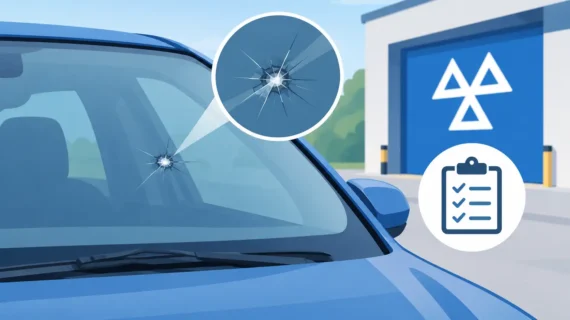
Do not assume all glass damage is repairable. A crack in a windscreen requires replacement, not repair. The location, size and condition of the damage matter, particularly where it affects the driver’s view or the screen’s structural role. Modern windscreens can also contain cameras and sensors that need correct calibration after fitting.
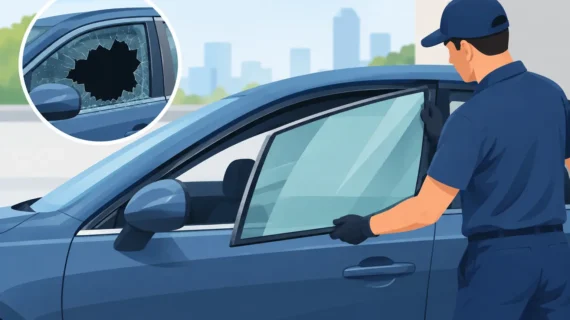
For side windows and rear screens, replacement is normally required because toughened glass breaks into small pieces. A professional fitter should remove loose glass from the door, seals, boot area or cabin before installing the new unit. This clean-up is not a minor detail – it is part of returning the vehicle to safe use.
Can I choose my own car glass company?
Often, yes. Insurers may recommend or direct you to an approved provider, and using that provider can make the payment process simpler. However, you may still be able to choose an independent glass specialist. The important point is to speak with your insurer first, explain who you want to use, and ask how authorisation and payment will work.
Some insurers will pay the approved supplier directly. Others may ask you to pay the invoice and reclaim the permitted amount afterwards. There can also be a limit on what they will contribute if you use a non-network provider. Confirm this before the work begins, rather than relying on an assumption made during a stressful call-out.
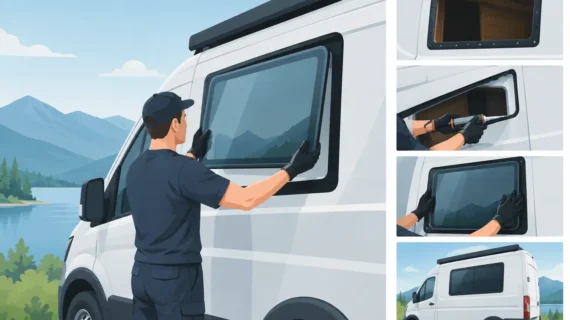
If you need a specialist vehicle glass job, choice can be particularly relevant. Vans, commercial vehicles, luxury SUVs and camper conversions may use different glass types, mouldings, bonded systems or opening windows. Correct supply and fitting should come before convenience alone.
What should I tell the insurer and glass fitter?
A few accurate details help the job move quickly. Have your registration number, insurer and policy number ready, along with the date and likely cause of damage. Photos are useful, especially for shattered side windows, rear windscreens and damage around window frames.
Tell the fitter whether the vehicle has rain sensors, heated glass, aerials, heads-up display, lane-assist cameras or other windscreen-mounted equipment. For vans, mention any racking, internal boarding or access issues that could affect fitting. If the vehicle is parked in a tight space, say so when arranging attendance.
For a break-in, avoid clearing all the glass yourself if you can safely leave it for the technician. Remove valuables, secure the vehicle where possible, and take photographs first. If you must move the vehicle, do so carefully and only if it remains safe and legal to drive.
Is it safe to drive with damaged vehicle glass?
That depends on the damage. A vehicle with a shattered side window may be physically capable of moving, but it is vulnerable and can contain dangerous loose glass. A damaged windscreen can obstruct your view, weaken the vehicle’s structure and create an MOT issue. If the screen is cracked, arrange replacement rather than taking chances.
Do not drive simply because the damage looks small from the outside. A windscreen is bonded into the body of many modern vehicles and plays a role in occupant protection. Side and rear glass must also be fitted securely, with suitable seals and materials, to keep out water and wind noise.
For urgent cases across West London, a mobile fitting service can be a practical option when the vehicle cannot reasonably be taken to a workshop. At Car Glass Service, the focus is on providing a clear quote, bringing the right glass and materials where available, and completing the fitting at your home, workplace or roadside location.
Car glass insurance questions for van and fleet owners
For a self-employed tradesperson, one broken van window is more than an insurance query. Tools may be at risk, the vehicle may be needed for the next job, and time off the road can cost more than the excess. Report the incident promptly, photograph any forced entry and check whether the policy has conditions around security or overnight parking.
Fleet operators should also check whether their policy uses an approved repair route, a central claims number or a pre-authorisation limit. Give the glass company the fleet reference and vehicle details early. This helps avoid delays when the vehicle is a Ford Transit, Mercedes Sprinter, Peugeot Boxer, Fiat Ducato, Citroën Relay or another working vehicle that needs the correct screen or window.
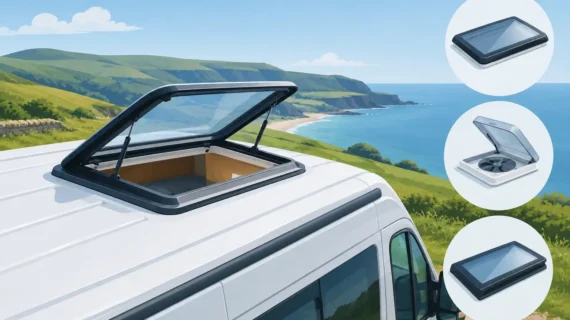
Campervan owners should be equally specific. Factory glass and conversion glass are not always the same. Fixed and opening side windows, skylights and rear glass may require specialist assessment, so make sure the insurer understands exactly what has been damaged and what replacement is required.
Questions to ask before approving the work
Before you agree to a claim or private replacement, ask whether the quoted glass meets the correct specification for your vehicle, whether sensors or cameras require calibration, and what workmanship cover is included. Also confirm the excess, whether VAT is included in the quoted price, and whether the insurer has authorised the job.
Ask about the earliest safe drive-away time after fitting too. Bonded glass needs the correct adhesive and curing period. A good technician will give straightforward advice based on the vehicle, weather conditions and materials used, rather than promising a one-size-fits-all answer.
Insurance can deal with the bill, but the immediate priority is getting the right glass fitted properly and getting your vehicle secure again. If you are unsure what your policy covers, make the call, ask the direct questions and choose the option that gets you safely back on the road.