When Should Rear Glass Be Replaced?
A rear window can go from fine to unsafe in seconds. One slammed tailgate, a break-in, a loose tool in the boot or a sudden temperature change can leave you with shattered or damaged glass and a car or van that should not be driven as normal. If you are asking when should rear glass be replaced, the short answer is this: as soon as the damage affects safety, visibility, security or the heated rear screen.
Rear glass is different from a windscreen. In most vehicles it is made from toughened glass, which means it does not usually crack neatly and stay in place. It tends to break into many small pieces. That changes the repair question straight away, because once rear glass is shattered, replacement is the only proper fix.
When should rear glass be replaced instead of left alone?
Rear glass should be replaced when it is shattered, badly chipped, cracked across the driver’s rear view, loose in the frame, leaking, or no longer working correctly with the demister lines. It should also be replaced if the damage has weakened the glass after an attempted break-in or impact, even if the window has not fully collapsed.
Some drivers delay because the damage seems minor. That can be a false economy. A small crack near the edge can spread with road vibration. A damaged heated rear screen can stop clearing condensation and frost. A poor seal can let water into the vehicle, leading to damp trim, electrical faults and hidden corrosion.
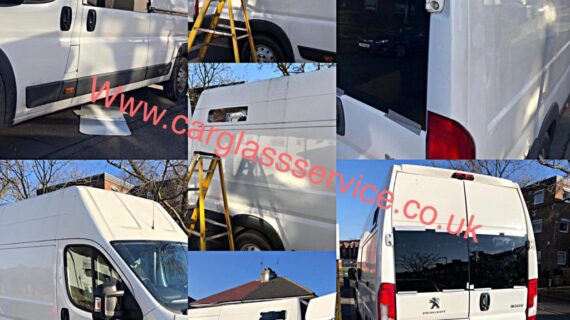
For vans and commercial vehicles, the decision is often even more straightforward. If the rear glass affects visibility, security of tools or stock, or the vehicle’s roadworthiness, it needs sorting quickly.
Clear signs your rear window needs replacement
The most obvious sign is complete breakage. If the glass has burst into cubes or there is a hole in the rear window, replacement is required. Temporary covering may keep weather out for a short period, but it is not a substitute for proper fitting.
Cracks are another clear warning. Unlike laminated windscreen glass, rear windows generally cannot be dealt with in the same way once cracked. Even if the glass is still holding, the structure has been compromised. One pothole, one hard door close or one cold morning can finish the job.
Chips matter too, especially if they sit near the edge of the glass or on a heated element. Edge damage puts stress into the panel, and rear glass is under more tension than many drivers realise. What looks like a harmless mark can turn into a full failure.
You should also take leaking seriously. If rainwater is getting in around the rear screen, the issue may not be the glass alone. The bond, trim or frame could be damaged. In that case, replacing the rear glass and refitting it properly is often the right route because the whole installation needs checking, not just the visible crack.
When rear glass damage becomes a safety issue
Rear glass is not just there to keep the weather out. It supports safe driving in more ways than people think. Your rear view matters when changing lanes, reversing, parking and keeping track of traffic behind you. If the glass is cracked, misted between layers of tint or damaged across the line of sight, visibility drops.
Then there is the heated rear screen. In British weather, that matters for a good part of the year. If the demister lines are cut, scratched off or broken during an impact, the glass may still be physically there but no longer safe enough in daily use. A rear window that will not clear properly in rain, frost or condensation becomes a practical hazard very quickly.
Security is another factor. A damaged rear window makes your vehicle an easier target. For private motorists that means belongings left inside. For tradespeople and van operators, it can mean tools, materials and lost working time. Waiting too long can turn one problem into two.
Can rear glass ever be repaired?
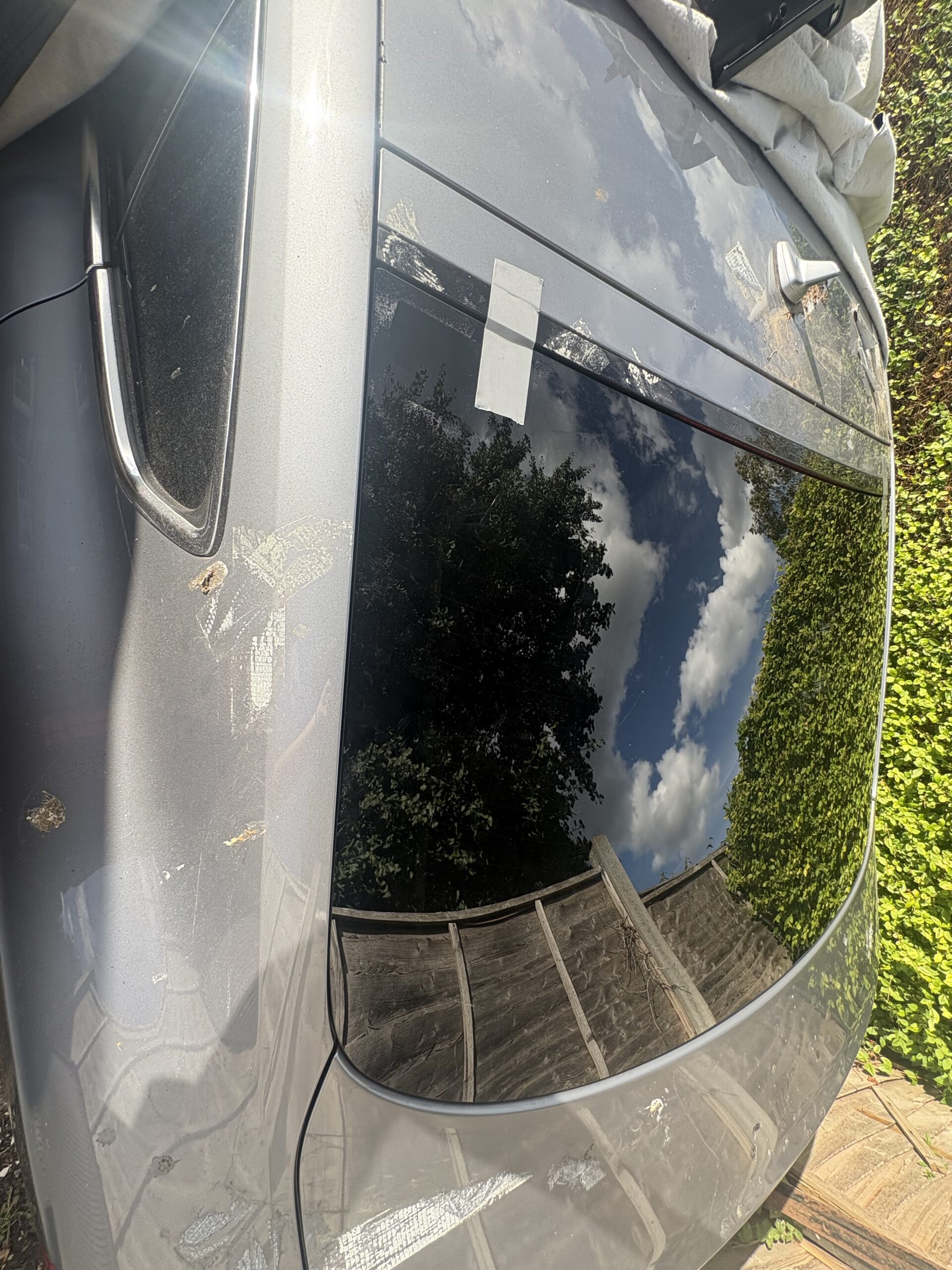
This is where it depends on the type of damage and the type of glass, but in most real-world cases rear glass replacement is the answer. Rear windows are commonly made from toughened safety glass. Once that glass is cracked or shattered, repair is generally not a safe or lasting option.
There are rare cases where a surface issue is not structural, such as light scratching or a problem with tint film rather than the glass itself. But that is not the same as repairing damaged rear glass. If the actual panel is chipped, cracked, loose or broken, replacement is usually necessary.
Drivers sometimes compare it with windscreen damage and assume the same approach applies. It does not. Windscreens are built differently. Rear screens are not usually suitable for that kind of repair-led decision.
When should rear glass be replaced after a break-in or attempted theft?
Immediately, if possible. Even if the glass has not fully fallen out, attempted theft often leaves hidden weakness around the point of impact. You may see a small punched area, but the surrounding panel can be under strain and ready to fail.
Break-in damage also tends to leave loose fragments in seals, trim and the boot area. Proper replacement is not just about fitting a new pane. It is about clearing the broken glass safely, checking the frame, making sure the demister and connections are sound, and restoring the vehicle so it is secure again.
For vans, this matters even more. A compromised rear door window or back screen can put tools and stock at risk overnight. If the vehicle is needed for work the next morning, fast replacement is usually the sensible option.
Rear heated screen faults that point to replacement
A heated rear screen does not always fail because of visible breakage, but if the glass is damaged and the heating elements stop working, replacement may be the only dependable fix. Printed demister lines are delicate. Once multiple lines are broken, scratched or interrupted by impact damage, clearing performance drops.
You might notice one strip clears but the rest stays fogged, or the screen takes far too long to demist. That can be manageable in summer and a real problem in winter. If the glass itself is also chipped or cracked, there is little value in patching around the problem.
A proper replacement restores both the glass and the heated function. For daily drivers, family cars and working vans, that is the difference between constantly working around the issue and getting back to normal use.
What happens if you keep driving with damaged rear glass?
Sometimes people carry on because the car still moves and the damage is at the back, not the front. But there are trade-offs. You may still be able to drive, yet the vehicle can be less secure, less weatherproof and harder to see out of. In poor conditions, that affects confidence and safety.
There is also the risk of the damage getting worse. Rear glass under stress rarely improves by itself. More vibration, another change in temperature or a rough road can turn a crack into total failure. If glass falls inward or outward while driving, that creates another hazard altogether.
Water ingress is another common problem. Once moisture gets into the rear screen area, it can affect trim, wiring and interior fabrics. What starts as a glass job can lead to extra repair costs if it is left too long.
Getting the replacement done properly
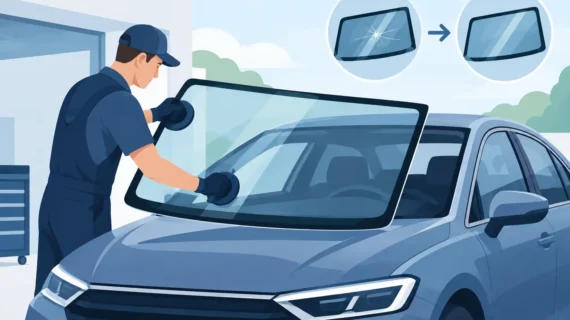
Rear glass replacement is not just a case of slotting in another pane. The old broken glass needs to be removed safely, the aperture cleaned properly, the correct glass matched to the vehicle, and any heated screen or aerial connections reattached and tested. The fit and seal matter. Poor installation can lead to leaks, wind noise or faults with the demister.
For that reason, it makes sense to use a proper automotive glazing specialist rather than treating it like a general bodywork task. If you rely on your vehicle every day, mobile fitting can make a real difference as well. Having the work done at home,Uxbridge ,Harrow,Hillingdon,Hayes,Northolt,Ruislip,Slough,Wembley,Perivale Pinner,Stanmore,Edgware,at work or on-site saves time and gets the vehicle secure without extra running around.
In West London, that matters for busy drivers, tradespeople and fleet users who cannot afford to lose half a day waiting in a workshop. Fast attendance is not just convenient. In many cases, it helps prevent further damage and gets the vehicle back into safe use sooner.
So, when should rear glass be replaced?
Replace it when the glass is shattered, cracked, weakened, leaking, affecting visibility, no longer secure, or not clearing properly through the heated screen. If there is any doubt, the safest approach is to have it assessed straight away rather than guessing from the driveway.
Rear glass problems rarely stay small for long. A quick decision now usually saves hassle, protects the vehicle and gets you back on the road with proper visibility and security. If your rear window has been damaged, the best next step is simple: get it looked at properly and get it sorted before it gets worse.