Car Glazing: When Your Vehicle Needs New Glass
A smashed side window outside your home, a windscreen crack spreading across your view, or a broken rear screen after an accident is not a problem to leave for later. Car glazing is about more than fitting a new piece of glass. The right glass, correct fitting method and proper clean-up all matter to your safety, security and ability to use the vehicle.
For motorists, van owners and fleet operators, the priority is usually simple: get the vehicle safe, weatherproof and back on the road without wasting a day at a workshop. A professional mobile service can come to your address, workplace or roadside location across West London, assess the damage and carry out the replacement where conditions allow.
What Does Car Glazing Include?
Car glazing covers the supply and fitting of vehicle glass, including front windscreens, rear windscreens, side windows, quarter glass, tailgate glass and sunroofs. It also includes specialist work for vans, commercial vehicles and campervan conversions.
Each type of glass does a different job. A windscreen supports the vehicle structure and gives the driver clear forward vision. Door glass protects the cabin while allowing the window mechanism to work correctly. Rear glass often includes heating elements, aerial connections and, on newer vehicles, sensors. This is why fitting is not a one-size-fits-all job.
For vans and commercial vehicles, glass requirements can be even more varied. A work van may need a replacement windscreen quickly to keep a job schedule moving. A converted van may need fixed or opening side windows, privacy glass or a rear window fitted as part of a campervan build. The glass must suit the vehicle, the intended use and the surrounding panels.
When Is Replacement the Right Option?
A cracked windscreen should be taken seriously, especially if the damage is in the driver’s line of sight, reaches the edge of the glass or continues to spread. Cracks cannot be repaired and normally require windscreen replacement. Temperature changes, road vibration and shutting the doors can all make a small crack grow quickly.
A stone chip is different from a crack and may sometimes be suitable for repair following an inspection. The position, size and type of damage decide what is safe. If repair is not suitable, replacement is the sensible option. Trying to carry on with damaged glass can lead to a failed MOT, reduced visibility and a larger bill if the damage worsens.
Side-window damage nearly always means replacement. Unlike a windscreen, most side glass is toughened and shatters into small pieces when hit. Whether it was a break-in, vandalism or an accident, the vehicle needs more than a sheet of temporary covering. Broken glass can remain inside the door, in the seats, carpets and boot area, so careful removal and clean-up are part of a proper job.
Rear windscreens also need prompt attention. A damaged rear screen leaves the vehicle exposed to rain and theft, while broken heated elements can affect rear visibility in cold or wet weather. On many cars, hatchbacks and SUVs, the rear glass is bonded to the body and requires precise removal and refitting.
Why Proper Glass Fitting Matters
Good car glazing work starts before the new glass goes in. The technician needs to identify the exact vehicle, specification and features fitted to it. A windscreen may have a rain sensor, camera bracket, heating elements, heads-up display area or acoustic layer. Ordering glass that looks similar is not enough if it does not match the vehicle’s requirements.
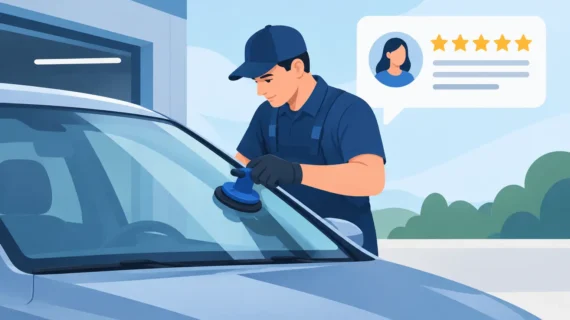
The damaged glass must then be removed without harming the paintwork, trim or bonding area. Old adhesive is prepared correctly, and quality bonding materials are used to secure the replacement. This is particularly important with bonded windscreens, which contribute to the strength of the vehicle body and help support airbag performance in a collision.
After fitting, the glass should sit evenly, seals and trims should be secure, and any electrical connections should be checked. On vehicles with advanced driver assistance systems, calibration may also be needed after windscreen replacement. Features such as lane assistance and forward-facing cameras rely on accurate positioning, so this should never be overlooked.
The quickest fitting is not always the best fitting. Safe drive-away time depends on the adhesive used, the weather and the vehicle. A reliable technician will explain when the vehicle can be driven and give clear advice about washing, slamming doors or using the vehicle immediately after the work.
Car Glazing for Vans, Lorries and Commercial Vehicles
A vehicle off the road can mean missed deliveries, delayed jobs and unhappy customers. That is why commercial glass replacement needs a practical approach. Car Glass Service works with private owners, tradespeople and businesses that need vehicle glass dealt with promptly and properly.
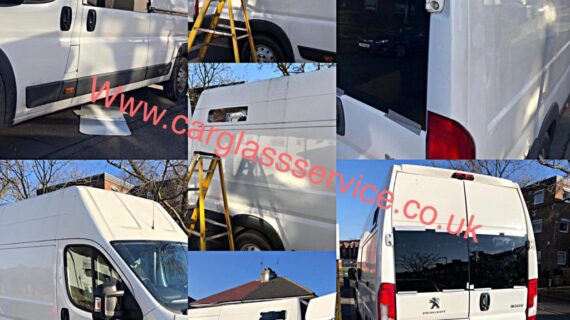
We replace windscreens and other glass for vans, lorries and commercial vehicles, including work vehicles that need to return to service as soon as possible. Whether it is a Ford Transit, Transit Custom, Mercedes Sprinter, Citroën Relay, Peugeot Boxer, VW Crafter or Fiat Ducato, the correct glass and fitting approach matter.
For fleet users, consistency is valuable. Clear communication, an honest quote and a technician who arrives prepared can make a difficult situation much easier to manage. It is worth having the registration number, vehicle model, year and details of any sensors or special features ready when requesting a quote. If you can safely provide a photo of the damage, that can also help identify the correct glass.
Van Conversion Glass Fitting
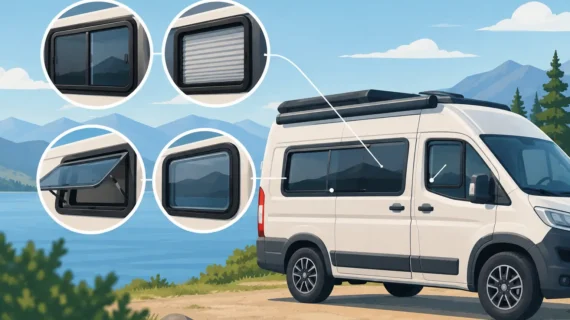
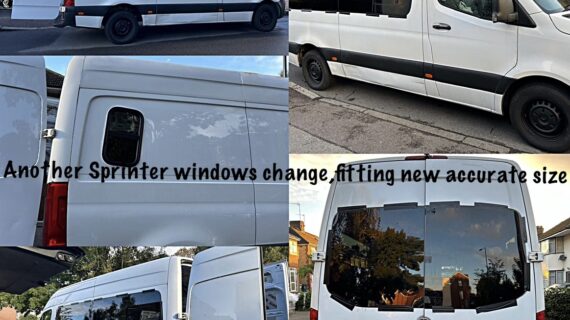
Car glazing is also a key part of turning a panel van into a usable campervan. Adding side windows changes the feel of the vehicle immediately, bringing in daylight, improving ventilation and making the living space less enclosed. The choice between fixed and opening windows depends on how the van will be used.
Fixed windows are a clean option where extra light and visibility are the main goals. Opening windows are useful near a bed, kitchen or seating area where airflow matters. Privacy-tinted glass can offer a more discreet finish while helping reduce glare. The positioning must work with the van layout, internal furniture, structural panels and any planned insulation or lining.
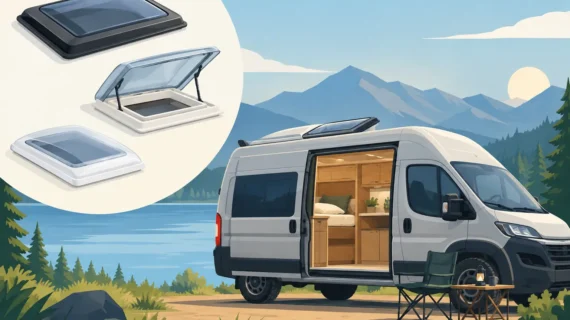
A proper installation involves accurate cutting, corrosion protection around the exposed metal, correct bonding and secure finishing. Rushing this stage can create leaks, wind noise or rust problems later. For a conversion that includes skylights, solar panels and interior work, planning the glass locations early helps avoid clashes with cabinets, wiring and roof equipment.
What to Do After Your Vehicle Glass Breaks
First, avoid touching loose or broken glass. Keep passengers away from the damaged area and do not drive if your view is obstructed or the vehicle is unsafe. If a side window has shattered, protect the interior from rain if you can do so safely, but do not rely on temporary covering as a long-term solution.
When you call for car glazing, be ready to explain which glass is damaged, where the vehicle is parked and whether it is safe to access. Mention any windscreen cameras, heated glass, rain sensors or rear-screen connections. For a van conversion, explain the vehicle model and whether you want fixed or opening windows, as this affects the quotation and fitting plan.
A good service should give you a straightforward explanation of the work, not pressure you into unnecessary replacement. Sometimes the damage is obvious, such as shattered side glass. Other times, an inspection is needed to confirm the safest route. The aim is always to fit suitable, high-quality standard glass and materials so the vehicle is properly protected again.
If your windscreen, side window or van glass has been damaged, act before a small inconvenience becomes a security or safety issue. A clear quote and professional fitting can get you moving again with far less disruption.