How to Choose Windscreen Replacement Safely
A damaged windscreen is not just an inconvenience you can put off until next week. It affects what you can see, contributes to the vehicle’s structure and, on many modern cars and vans, supports safety technology mounted behind the glass. Knowing how to choose windscreen replacement means looking beyond the first available price and making sure the work is suitable for your vehicle, fitted properly and completed where you need it.
For motorists, tradespeople and fleet operators, the right choice is usually the one that gets the vehicle safe and roadworthy again without unnecessary delay or unpleasant surprises on the bill.
Start by establishing whether replacement is needed
A small chip may sometimes be dealt with before it spreads, particularly when it is outside the driver’s main viewing area and has not penetrated deeply. A long crack, damage close to the edge of the glass, multiple impact marks or a chip directly in the driver’s line of sight are different matters. These are situations where replacement is commonly the safer route.
The position and type of damage matter as much as its size. Cracks around the edge can weaken the windscreen because this is where the glass is bonded to the body of the vehicle. Damage near sensors, cameras or heating elements also needs careful assessment. Do not rely on a photograph alone if there is any doubt. A proper provider should ask for the vehicle registration, damage details and clear images where possible, then explain why replacement is recommended.
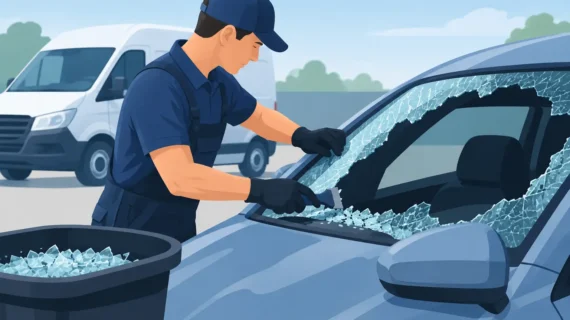
If your side window has been smashed, the decision is usually more straightforward. The broken glass must be removed thoroughly, the correct window installed and the door or rear compartment checked for hidden fragments before the vehicle is used normally.
How to choose windscreen replacement glass
Not all vehicle glass is the same, and the right glass depends on the make, model, year and specification of your vehicle. A basic windscreen may look similar to one with a rain sensor, acoustic layer, heated section, heads-up display area or camera bracket, but fitting the wrong version can leave important features unusable.
Ask the provider to confirm that the replacement matches your vehicle specification. OEM-standard glass and materials are a sensible expectation, especially for newer cars, luxury SUVs, vans and commercial vehicles that work hard every day. The goal is not simply to fit a piece of glass that physically fits the aperture. It is to restore the functions the vehicle left the factory with.
There can be a choice between original manufacturer-branded glass and high-quality equivalent glass made to the relevant standards. Which is right depends on vehicle requirements, insurer conditions, availability and budget. An experienced fitter should explain the option clearly rather than pushing one answer for every job.
For vans, check the details particularly carefully. A windscreen may differ according to trim level, sensor position or body style. Rear glass and side windows can also have heating connections, privacy tinting or openings that must match the existing installation. This is equally relevant for van conversion work, where glass, skylights and other additions need to be fitted with the right materials and sealing methods.
Check for camera and sensor calibration
Many vehicles now use Advanced Driver Assistance Systems, often called ADAS. The forward-facing camera may sit behind the windscreen and support features such as lane assistance, traffic-sign recognition, automatic emergency braking or adaptive cruise control.
When a windscreen containing a camera is replaced, calibration may be required. This is not an optional extra to dismiss because the warning lights have gone out. The camera needs to be positioned and set correctly so the system reads the road as intended. Ask before booking whether your vehicle needs calibration, whether it is included in the quote and how it will be completed.
A reliable provider will identify this from your registration or vehicle details and tell you what is involved. If someone offers a quick fitting without asking whether the car has cameras or sensors, it is worth pausing before you agree to the job.
Choose workmanship, not just a fast appointment
Speed matters when your vehicle is exposed to rain, glass theft or a growing crack. Same-day availability can make a real difference, particularly if you need a van for work or your vehicle is parked at home. But a rapid response should still include the steps that protect the vehicle and its occupants.
Professional windscreen replacement involves more than removing the old panel and applying adhesive. The fitter should protect the bonnet, dashboard and interior, remove broken material safely, prepare the bonding area correctly and use suitable automotive glass adhesive. They should also inspect the frame for corrosion or damage that could affect the bond.
After fitting, the vehicle needs the correct safe drive-away time. Adhesive needs time to cure, and this can vary with the product and conditions. Your technician should tell you when it is safe to drive and what to avoid immediately afterwards, such as slamming doors or using a high-pressure wash too soon.
Look for clear signs of accountable workmanship: a specific explanation of the process, a fitting guarantee, proper invoicing and someone available to answer questions after the job. A windscreen is part of the vehicle’s safety structure, so vague assurances are not enough.
Make the quote easy to understand
A good quote should be clear about what is included. Before authorising work, check whether the price covers the glass, mouldings or clips where required, removal and disposal of the old windscreen, fitting materials, call-out, calibration and VAT. If the vehicle has a heated screen or specialist sensors, make sure these details are recorded.
Be cautious with a price that seems unusually low but is based on limited vehicle information. It may not include the correct glass specification, calibration or essential trims. The lowest initial figure is not always the lower overall cost if the work has to be corrected later or a safety feature does not operate properly.
If you are claiming through insurance, ask how the process works before booking. Some policies cover windscreen replacement subject to an excess, while others require use of an approved supplier. Even where you are paying privately, a detailed written quote gives you a proper record of what has been agreed.
Consider where the fitting will happen
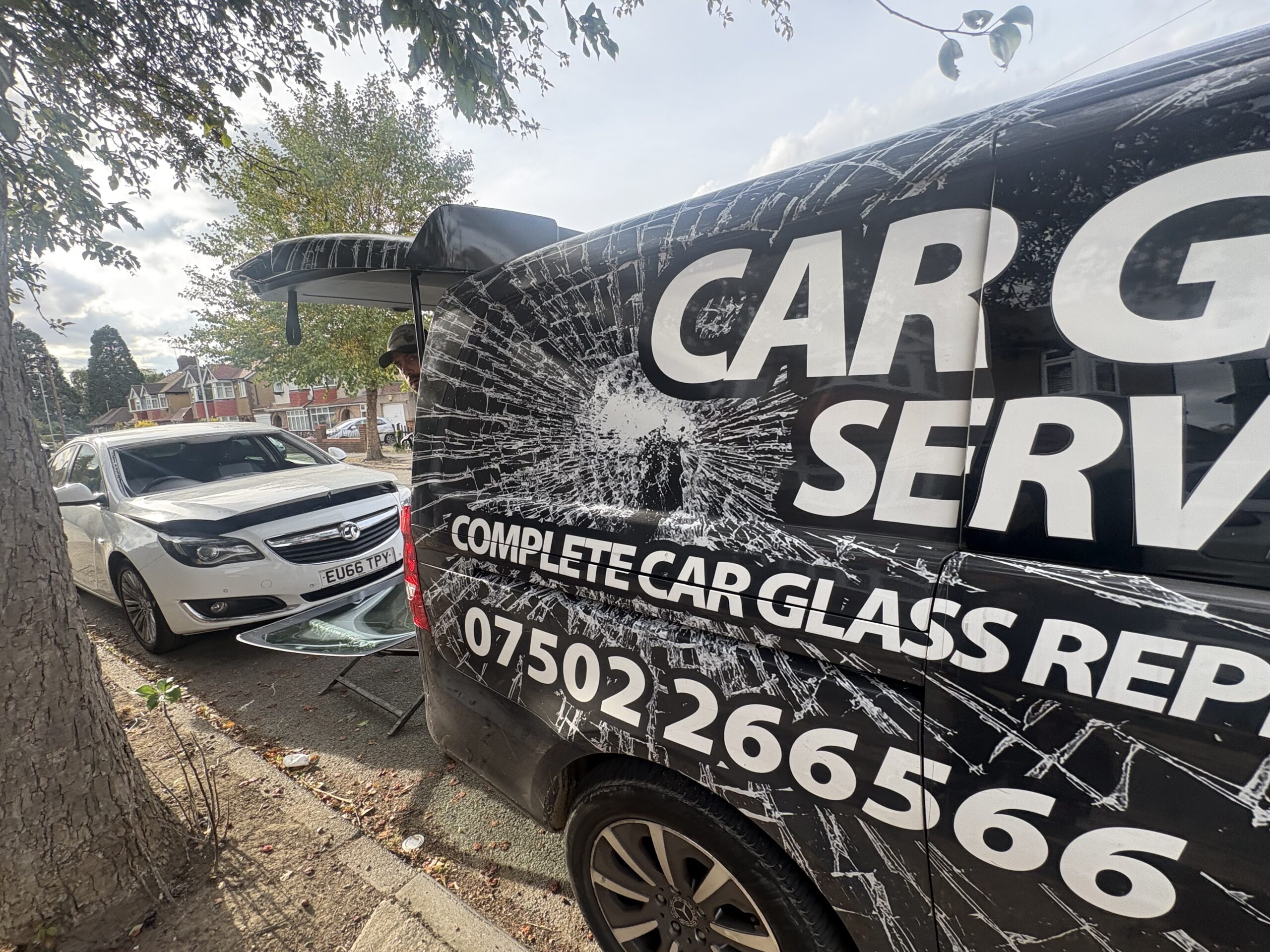
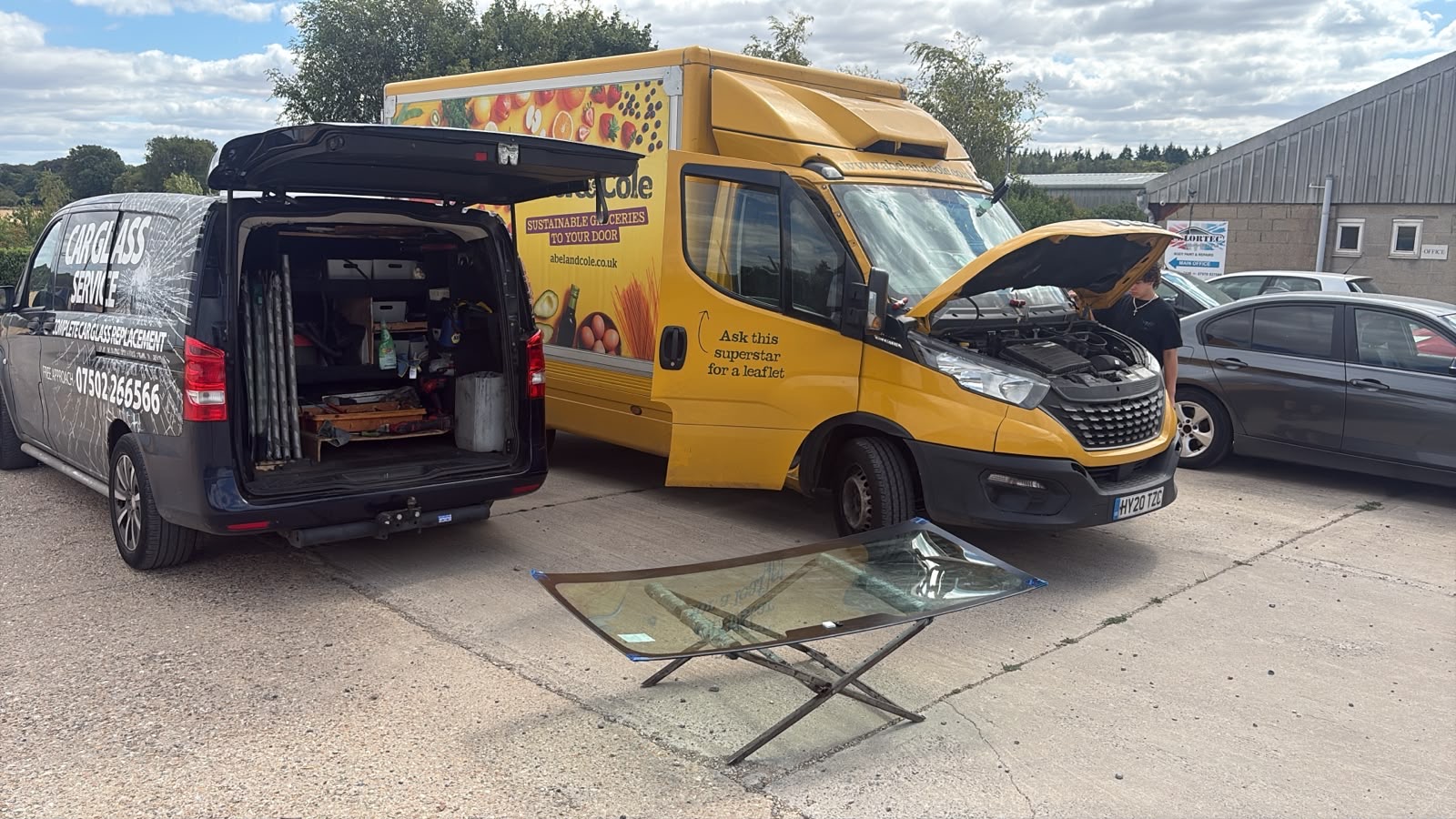
For many London drivers, getting to a workshop with damaged glass is awkward or unsafe. A mobile fitting service can complete the work at your home, workplace or another suitable location, saving time away from jobs, customers and family commitments.
The location still needs to be practical. There should be enough room to open doors and work safely around the vehicle, plus reasonable protection from severe weather. For ADAS work or more complex installations, the technician may need particular conditions or equipment. Ask this when arranging the appointment rather than finding out once the vehicle is already being worked on.
This is especially useful for trade vans and fleets. Having the glass replaced on site can reduce vehicle downtime, provided the vehicle is accessible and the job is planned around its specification. Car Glass Service supports drivers and operators across West London with on-site automotive glazing, from passenger vehicles to working vans.
Questions worth asking before you book
You do not need to become an automotive glazing expert, but a few direct questions will quickly show whether you are dealing with a capable provider. Ask whether the glass is correct for your registration and options, whether cameras and sensors have been checked, whether calibration is needed, what the quoted price includes and when the vehicle can safely be driven.
Also ask how broken glass will be cleared from the interior and door cavities after a smashed side window. This is particularly important when children, tools or stock travel in the vehicle. A thorough clean-up is part of a professional job, not an add-on.
Do not ignore the warning signs after fitting
Once the work is complete, inspect the vehicle before the technician leaves. Check that trims sit neatly, sensors and heated elements are connected where applicable, and no warning lights remain on. On a side window, test that it opens and closes correctly. With a rear screen, confirm the heated element and wiper operate as expected.
A little care at the point of booking makes a significant difference. Choose a provider that confirms the right glass, explains the safety work, gives a straightforward quote and respects your time. That is how you get back on the road with confidence, whether your vehicle is parked outside your home in Ealing or waiting for its next day’s work in Uxbridge.