Van Conversion Glass Fitting London
Cutting into a van body is the point where a conversion stops being an idea and starts becoming a real vehicle. It is also the stage where bad workmanship causes the most trouble later. If you are looking for van conversion glass fitting London, the job is not just about getting a pane of glass into a hole. It is about correct sizing, safe bonding, tidy finishing, and making sure the van stays weatherproof, secure, and legal for the road.
For van owners, campervan builders, and trade customers, glass fitting has to be done properly first time. A poorly fitted side window can lead to leaks, wind noise, rust around the cut edge, or stress on the glass itself. That is why this part of a conversion needs the same care as any structural or safety-related work on the vehicle.
What van conversion glass fitting involves
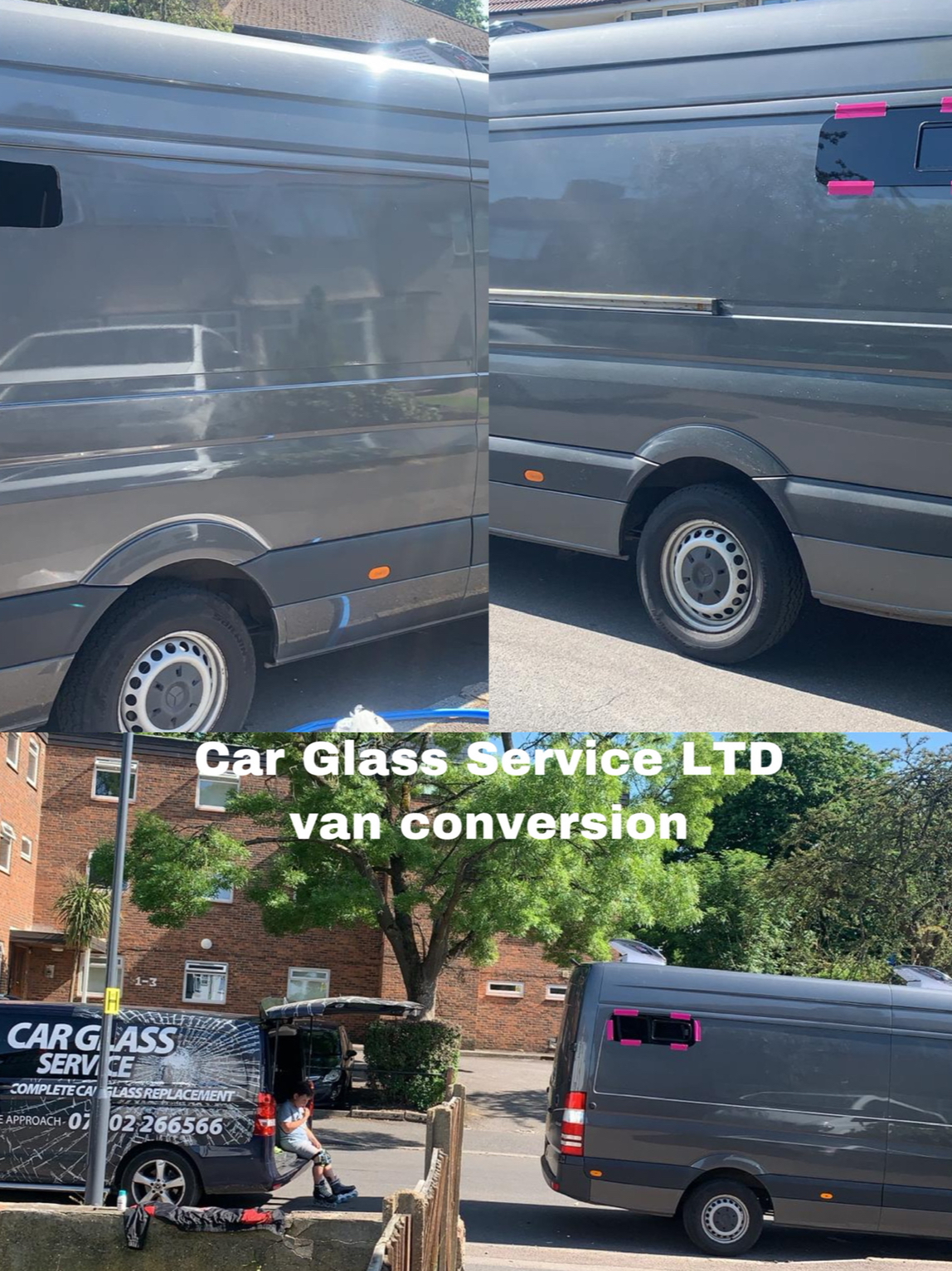
Van conversion glass fitting usually means adding side windows, rear quarter glass, tailgate glass, or privacy glass to a panel van that left the factory without them. In some cases it also includes replacing existing conversion windows that have been damaged, badly installed, or fitted with the wrong profile for the vehicle.
The work starts well before the glass goes anywhere near the van. The panel needs to be measured accurately against the correct glass for that make and model. The cut line has to be right, because too small means the glass will not seat correctly and too large can compromise the finish and strength of the fitting. After cutting, the exposed metal edge must be treated properly. Skip that stage and you invite corrosion.
Then comes bonding, positioning, and finishing. Good fitting is neat and controlled. The glass should sit evenly, the seals should be clean, and the inside trim should not look like an afterthought. On a campervan conversion, appearance matters. On a work van, durability matters just as much.
Why proper van conversion glass fitting in London matters
In London, vans do hard miles. They are parked on busy streets, driven through tight spaces, and used in all weather. That means any weakness in a glass installation tends to show up quickly. A rushed job might seem acceptable on the day, then start leaking after the first heavy rain or make itself known with constant road noise on the A40.
There is also the practical side. Many customers cannot leave a van off the road for long. Tradespeople need it for work. Families planning a camper build want the project moving. Fleet users need downtime kept under control. That is why a service-led approach matters. When fitting can be arranged around the customer, and when the work is done on site by an experienced technician, the whole process becomes much easier to manage.
For customers across West London, that convenience is often the difference between getting the job done now and putting it off. And putting it off rarely helps, especially if a conversion is waiting on glazing before insulation, lining, or interior work can continue.
Choosing the right glass for your van conversion
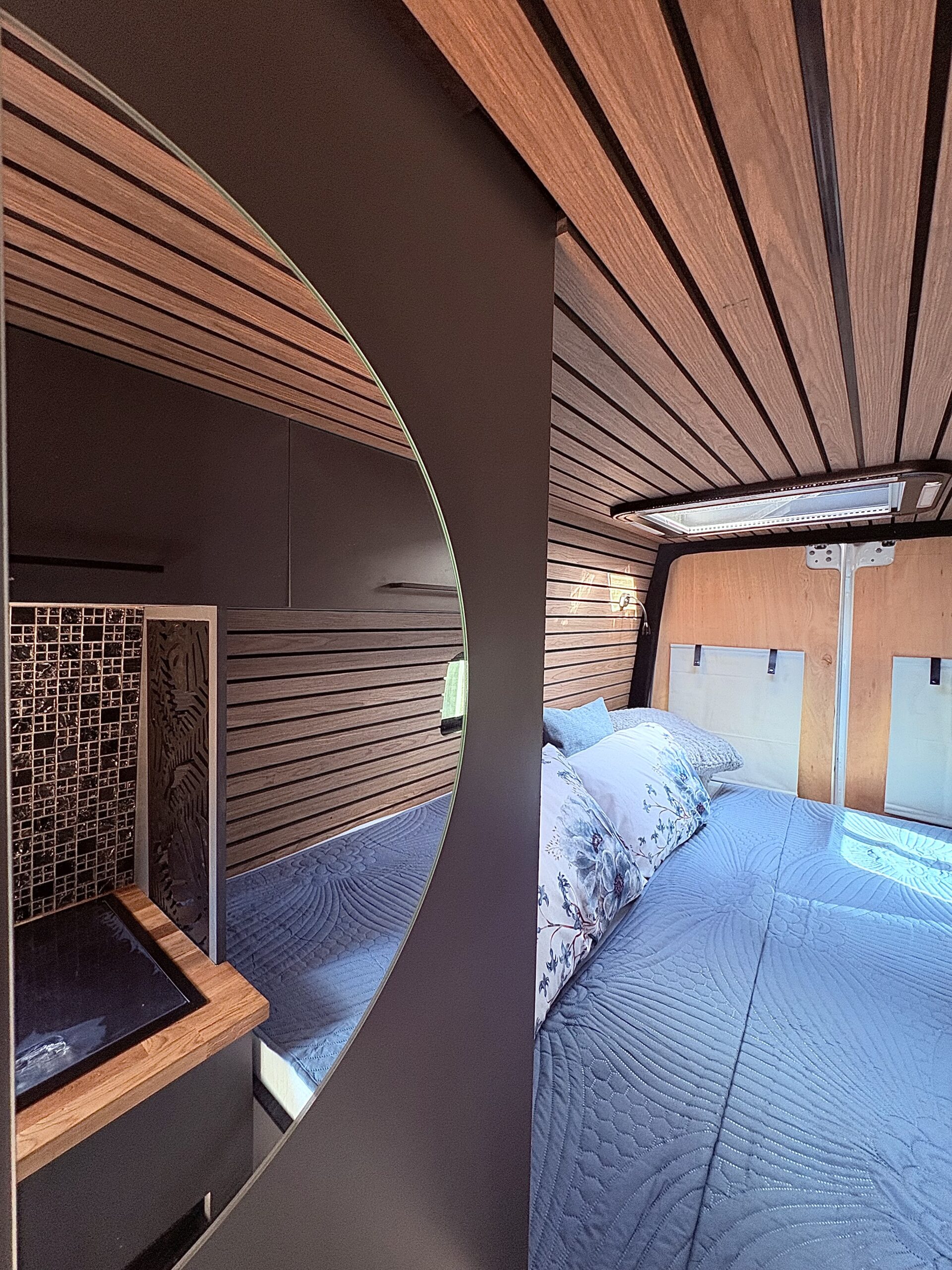
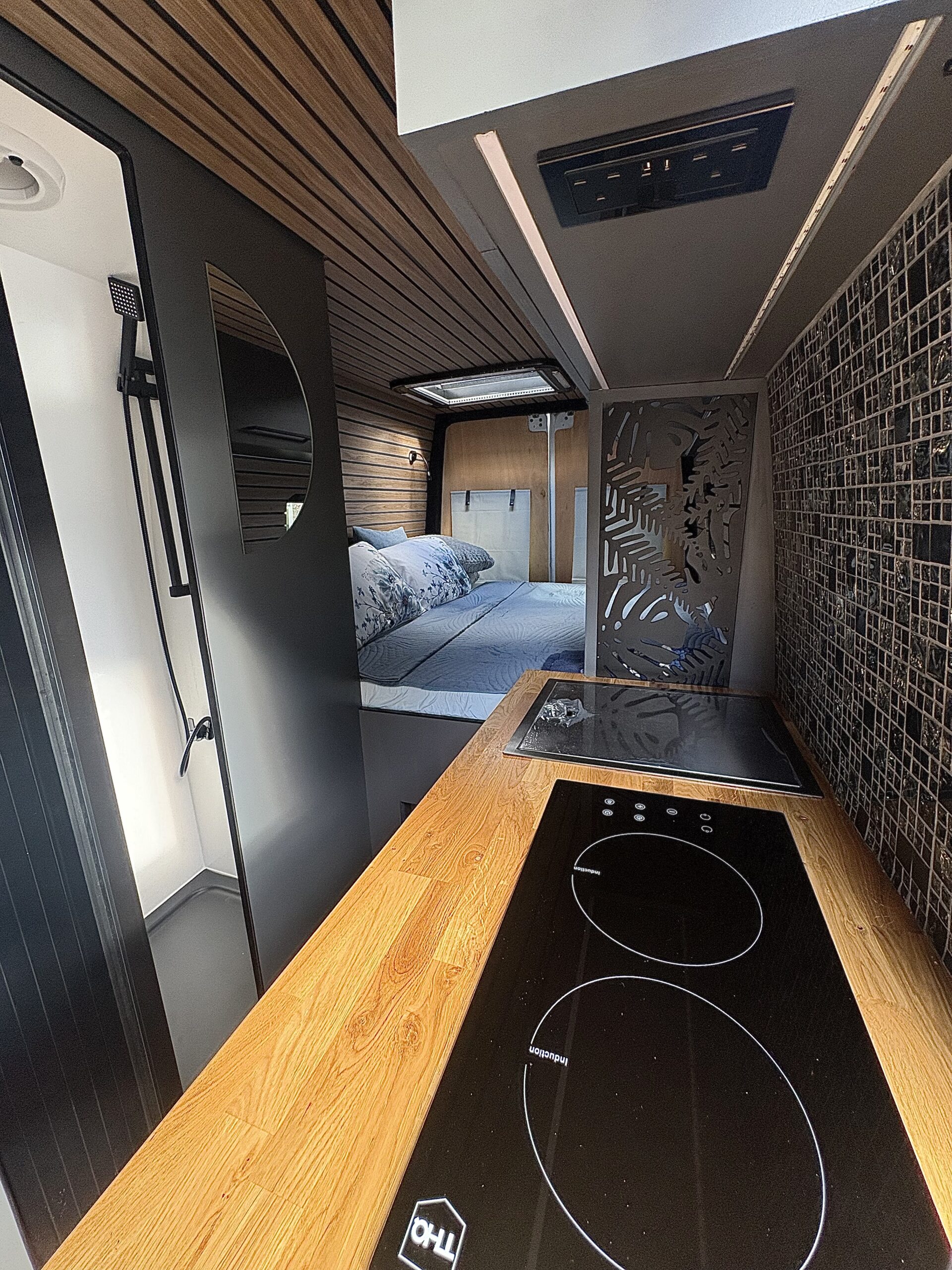
Not every van conversion window is the same, and that is where a lot of confusion starts. Some owners want privacy glass for a cleaner campervan look and more discretion when parked. Others want opening windows for ventilation. Some are focused on matching the factory appearance as closely as possible, while trade customers may simply want strong, professional-looking fixed glass that transforms the vehicle from panel van to crew or leisure use.
The right choice depends on how the van will be used. A day van or camper often benefits from privacy-tinted side glass and carefully placed opening sections to improve airflow. A working vehicle used for mixed business and personal use may need a simpler layout that prioritises strength, visibility, and ease of maintenance.
Quality matters here too. OEM-standard materials and properly matched glass are worth it because they fit better, last longer, and reduce the chance of rattles, leaks, and finish issues. Cheap-looking glass can spoil the whole vehicle, even if the rest of the conversion is done well.
Factory look or custom layout?
Some vans suit a factory-style layout, where the added windows follow original vehicle lines and make the finished van look as though it left the manufacturer that way. Others call for a more custom arrangement based on bed position, storage, interior seating, or workspace use.
There is no single right answer. A smart fitter will look at the van, the body shape, and the intended use before recommending what works best. That matters because a window that looks right from outside still has to make sense once the interior is built around it.
The risks of poor installation
A van side window is not trim. It is a bonded part of the vehicle, and poor fitting can create problems that are expensive and frustrating to put right. Water ingress is one of the most common issues. Once water gets behind trims or into insulation, the damage is not always obvious straight away. You might only notice it when the van starts to smell damp, lining panels stain, or rust begins around the aperture.
Bad cutting is another problem. Uneven lines, rough finishing, or exposed untreated metal can ruin the look of the van and shorten the life of the panel around the glass. Then there is alignment. If the glass sits badly, the result can be wind whistle, stress on the bond, and an installation that simply looks poor every time you walk up to the vehicle.
This is why experienced fitting matters more than a low headline price. Redoing a failed installation usually costs more than having it done properly from the start.
Mobile van conversion glass fitting London customers can rely on
A mobile fitting service makes sense for van owners because the vehicle does not need to be taken across town to a workshop and left there for the day. For many customers, especially in West London, that is a major advantage. Whether the van is at home, at a unit, or parked at a business address, on-site fitting keeps things practical.
That matters if you are juggling work, a conversion schedule, or both. It also helps when the van is not yet fully road-ready as part of a build. A mobile technician can assess the vehicle, carry out the fitting with the right materials, and keep disruption to a minimum.
Car Glass Service works in exactly that practical way, focusing on supply and fitting with a straightforward, local service built around getting vehicles sorted quickly and properly.
Who typically needs this service?
The most common customers are campervan owners, self-build converters, body shops, tradespeople upgrading a panel van, and commercial operators adapting vans for mixed use. Some need a full first-time installation. Others need replacement glass after accidental damage or because an earlier conversion job was not up to standard.
In each case, the priorities are usually similar. Customers want a clean finish, a fair quote, clear advice, and confidence that the van will be watertight and safe when the work is complete.
How the fitting process usually works
The process should be simple. First comes identifying the vehicle and the type of glass required. Then the customer gets a quote based on the job, not vague promises. Once booked, the fitter arrives with the correct glass and installation materials.
The panel is prepared, cut where required, treated, and bonded carefully. After that, the fit is checked, the finish is cleaned up, and the customer can see exactly what has been done. On a proper service visit, there should be no mess left behind and no guesswork about aftercare.
Timing depends on the van and the number of windows being fitted. A single side window is not the same as glazing several sections on a full conversion. The best approach is always to ask based on your vehicle and plans rather than assume every job takes the same amount of time.
What to ask before booking van conversion glass fitting in London
It is worth asking what glass is being supplied, whether it is suitable for your exact van model, and how the exposed metal edge will be protected after cutting. You should also ask whether the fitter has experience with conversions rather than standard replacements only.
If you are building a camper, mention the full plan. Window placement affects furniture layout, bed position, ventilation, and privacy. A good fitter would rather know that at the start than discover halfway through that the chosen location clashes with the rest of the build.
Price matters, of course, but so does the standard of the work. A van conversion is an investment in the vehicle. The glazing should add value to it, not create future repair work.
If you are getting your van ready for work, travel, or a full camper build, getting the glass fitted properly is one of the smartest decisions you can make early on. Done right, it changes the look, feel, and usability of the vehicle straight away – and lets the rest of the conversion move forward with confidence.