
Best Van Conversion Window Types Explained
A van can feel spot on or slightly wrong based on one decision people often leave too late – the windows. Pick the right layout and the space feels brighter, safer and easier to live in. Pick badly and you can end up with poor ventilation, awkward furniture placement, less privacy and a build that never quite works. If you are comparing the best van conversion window types, the right answer depends on how you use the van, where you park and how much natural light you actually want.
For most campervan builds, windows are not just about appearance. They affect insulation, airflow, sleeping comfort, security and even how spacious the van feels. That is why it pays to think beyond simply cutting glass into every panel.
What makes the best van conversion window types?
The best van conversion window types balance four things – light, ventilation, privacy and practicality. That balance changes from van to van. A day van used for short weekend trips needs something different from a full-time camper that spends winter nights on exposed sites.
There is also the fitting side to think about. Window choice has to suit the body shape of the van, the intended interior layout and the way the opening section operates. A side-opening window above a kitchen unit can be very useful. The same window behind a bed or near a sliding door may be less practical.
Good glass fitting matters just as much as the window style itself. If the cut is poor or the sealing is not right, you can end up with leaks, wind noise and unnecessary headaches later. This is one area where proper fitting is worth it.
Fixed van conversion windows
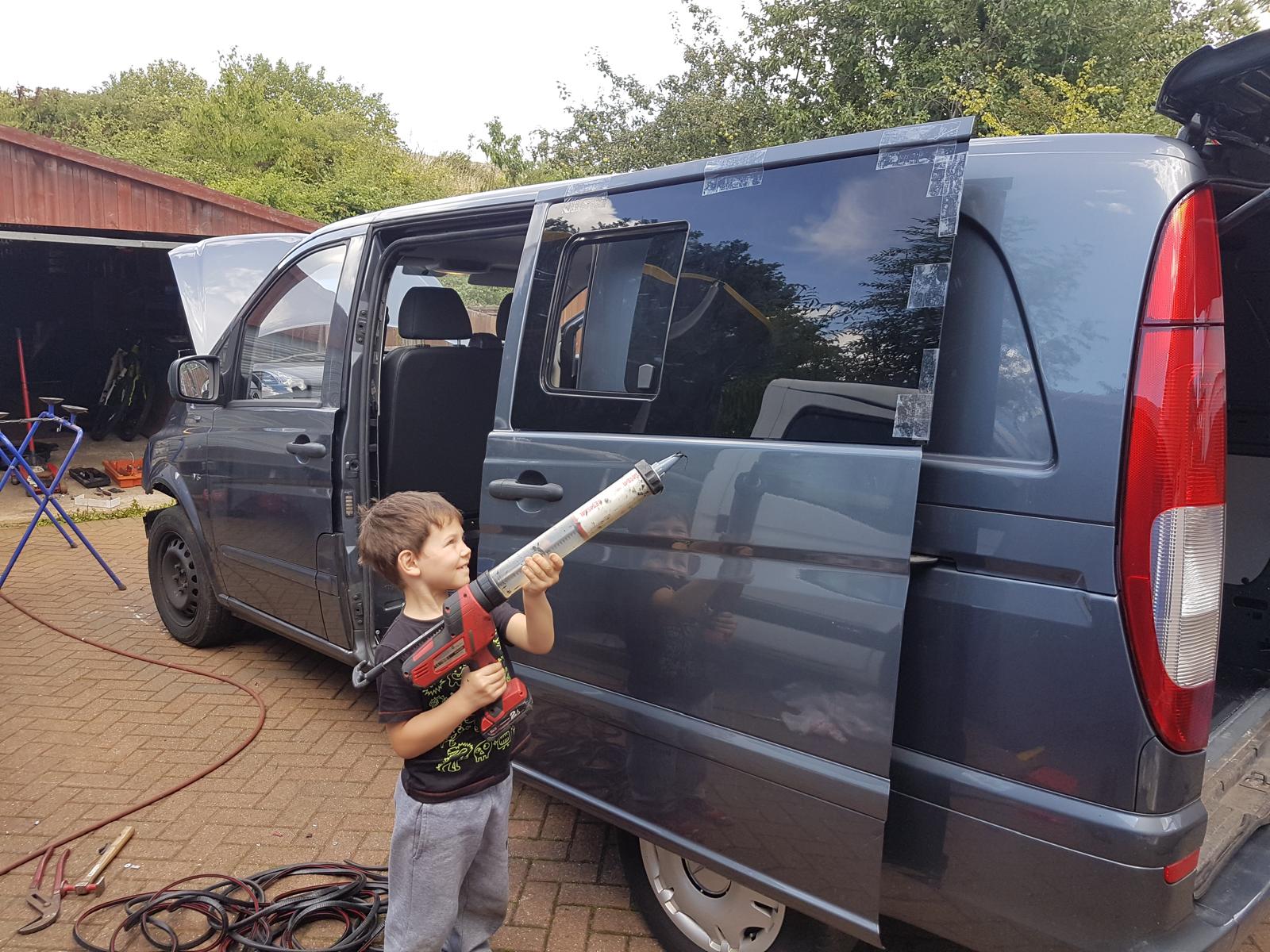
Fixed windows are one of the most common choices, and for good reason. They give you natural light, improve visibility and usually create the cleanest factory-style finish from the outside. If you want your campervan to look tidy and well integrated, fixed bonded windows often do that better than bulkier framed designs.
They are especially useful in areas where you want light but do not need airflow, such as opposite the kitchen, along the lounge area or in rear quarter panels. Tinted fixed glass can also improve privacy without making the van feel closed in.
The trade-off is obvious – they do not open. If your van already has limited ventilation, relying too heavily on fixed windows can make it stuffy in summer and damp in colder months. They work best as part of a wider plan, not as the only glass choice.
Sliding windows for ventilation
Sliding windows are one of the most practical options for campervan use. They let air through without needing the window to swing outward, which can be handy on narrow pitches or when parked on the road. For many owners, that makes them one of the best van conversion window types for everyday use.
They suit kitchen areas particularly well because they help release cooking heat and moisture. They are also popular near seating areas where a bit of adjustable ventilation makes a big difference.
That said, sliding windows do have limits. The opening section is usually smaller than the full glass area, so airflow is not as strong as some people expect. Tracks and seals also need to stay clean and properly fitted. A poor-quality slider can rattle or feel less secure over time.
Top-hinged opening windows
Top-hinged windows, sometimes called awning-style windows, open outward from the bottom or top depending on the design, but the common campervan style usually allows ventilation while giving some shelter from light rain. That is a real advantage in British weather, where a dry day can turn quickly.
These windows are often a good choice for sleeping areas because they can provide better airflow overnight. If you are parked up in warmer weather, that extra ventilation can make the difference between decent rest and a poor night.
The main thing to watch is external clearance. Because they project outward, they are not always ideal in tight spaces, near heavy foot traffic or on vans used regularly in urban parking. Placement matters a lot here.
Privacy glass and tinted windows
Privacy matters more in a campervan than many people realise. Once the build is done, large clear windows can leave the inside feeling exposed, especially if you use the van for overnight stays in towns, lay-bys or busy campsites.
Tinted privacy glass is a popular answer. It cuts down visibility from outside during the day, reduces glare and often gives the van a smarter finish. From the outside, it can help a converted van look more professional and less pieced together.
Still, tint is not a magic fix. At night, with interior lights on, people can still see in unless you use blinds or curtains. Very dark tint can also reduce light levels more than expected, which is not always ideal in the British winter. If you want a bright interior, heavily smoked glass may not be the best choice in every panel.
Rear door and quarter windows
Rear door windows and small quarter windows can transform the feel of a van. Even modest additions in the back can stop the interior feeling boxy and closed in. They also improve visibility when manoeuvring, depending on your mirror and camera setup.
For many conversions, these smaller windows are a smart compromise. They bring in light without taking up too much wall space needed for cupboards, bed structures or insulation. If you are trying to keep a practical layout, they can be a better option than large side windows.
This is where build goals matter. If your van is more transport-focused with occasional camping use, modest rear and side glass may be enough. If it is a full campervan build, you may want larger side windows to make the living area feel more open.
Best van conversion window types for different layouts
There is no single winner because layout changes everything. A van with a fixed rear bed often benefits from opening windows near the sleeping area and fixed glass near the lounge or kitchen. A day van with rail seats may lean more towards larger side windows for visibility and a more open feel.
If you carry bikes, tools or boards inside, window placement becomes even more important. Too much low-level glass can reduce usable wall space and make storage harder to organise. If you value stealth when parked, fewer windows with darker tint may suit you better than a full glazed setup.
Families often want more light and a less enclosed interior. Solo travellers or tradespeople converting a van for mixed use may prefer a simpler setup that protects privacy and keeps the van discreet.
Material quality and fitting standards
Even the best window design can disappoint if the glass or fitting quality is poor. In van conversions, proper cutting, edge protection, bonding and sealing are essential. A window should sit correctly against the vehicle body and be fitted with materials suited to automotive use, not improvised shortcuts.
This is one reason many owners choose experienced specialists rather than treating it as a cosmetic add-on. A well-fitted window should look right, feel secure and stand up to regular road use, changing temperatures and rain.
Factory-style bonded windows are particularly popular because they follow the van’s shape more cleanly than bulky aftermarket units. When done properly, they can make a conversion look far better finished and help preserve the vehicle’s value.
Common mistakes when choosing van windows
One common mistake is adding too many windows. More glass sounds good in theory, but it can leave the van hotter in summer, colder in winter and harder to insulate properly. It can also reduce privacy and limit your interior design options.
Another mistake is focusing only on looks. A sleek tinted window may suit the outside of the van, but if it does not provide ventilation where you need it, daily use becomes less comfortable. The reverse is also true. A practical opening window in the wrong place can interfere with furniture or access.
It is also easy to underestimate condensation. Ventilation is not optional in a campervan. Breathing, cooking and wet clothing all add moisture. If you combine several fixed windows with poor roof ventilation, the van can quickly feel damp.
So which type should you choose?
For most people, the strongest setup is a mix rather than a single window style across the whole van. Fixed privacy glass works well for light and appearance. Sliding or top-hinged windows are better where ventilation matters. Smaller rear or quarter windows can add brightness without sacrificing too much usable wall space.
If you want a simple answer, many of the best van conversion window types fall into this pattern: fixed bonded side windows for the main living area, at least one opening window for airflow, and privacy tint where overnight use is part of the plan. It is practical, tidy and suits a wide range of campervan layouts.
If you are unsure, start with how you will actually use the van on a wet Tuesday night, not just how it looks in photos. The right windows should make the van easier to live with every time you park up, cook, sleep and set off again. That is the choice that pays off long after the build is finished.




[…] van conversion window is the same, and that is where a lot of confusion starts. Some owners want privacy glass for a cleaner campervan look and more discretion when parked. Others want opening windows for […]