Is Mobile Car Glass Safe? What to Know
Question: Is mobile car glass safe, or is it better to take the vehicle into a workshop? For most drivers, the honest answer is simple. Mobile fitting is safe when the job is done properly, with the right glass, the right bonding materials and the right fitting standards.
What matters is not whether the technician comes to you or you go to them. What matters is the quality of the installation.
Is mobile car glass safe when fitted at home or work?
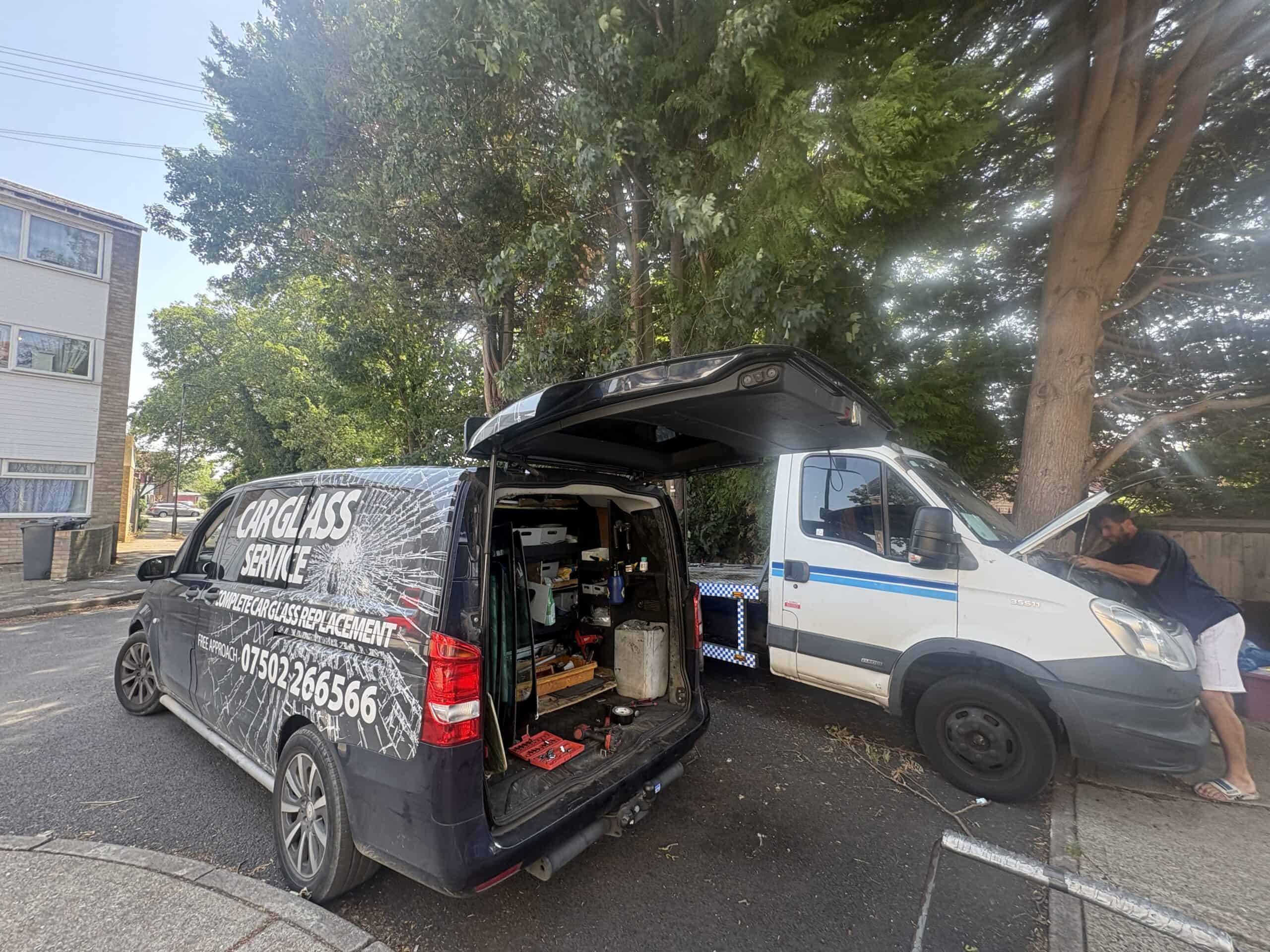
Yes, it can be. Modern mobile glazing is designed to be carried out on-site, whether your vehicle is parked at home, at work or at a trade premises. A skilled technician brings the same core materials and fitting methods used in a fixed location. If the glass is correct for the vehicle, the aperture is prepared properly, and the adhesive is applied and cured as it should be, the end result can be just as safe as a workshop job.
That said, not every job suits every location. A roadside emergency in heavy rain, poor lighting or an unsafe parking position may not be the right setting for a proper installation. Good mobile fitters will say so. If conditions are wrong, the safe choice is to rearrange, move the vehicle, or carry out the work in a more suitable space.
This is where experience matters. A reliable mobile service does not just turn up and fit glass at any cost. It checks whether the location allows the work to be done correctly.
What actually makes mobile car glass safe?
The biggest factor is the fitting process, not the van the technician arrives in. Windscreens are structural parts of the vehicle. They support the body shell, help roof strength and play an important role in airbag performance. Side and rear windows matter too, especially for security, weather sealing and safe visibility.
A safe installation depends on a few non-negotiables. The replacement glass must be the correct specification. The bonding area must be cleaned and prepared properly. Primers and adhesives must be used in line with the manufacturer’s instructions unless it’s kind of glue that contains the primer already. The glass must be aligned accurately, and the vehicle must not be driven before the adhesive has reached a safe cure level.
If one of those steps is rushed, that is when problems start. You can end up with leaks, wind noise, poor visibility, trim damage or, more seriously, reduced structural performance in an accident.
When mobile fitting is a very sensible option
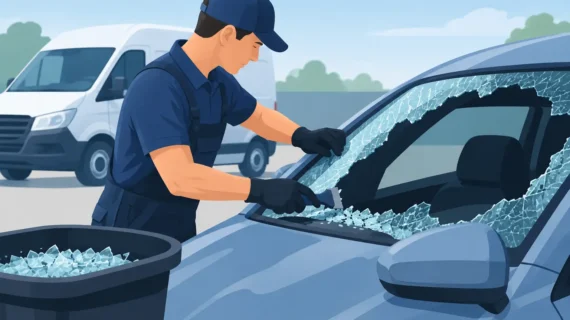
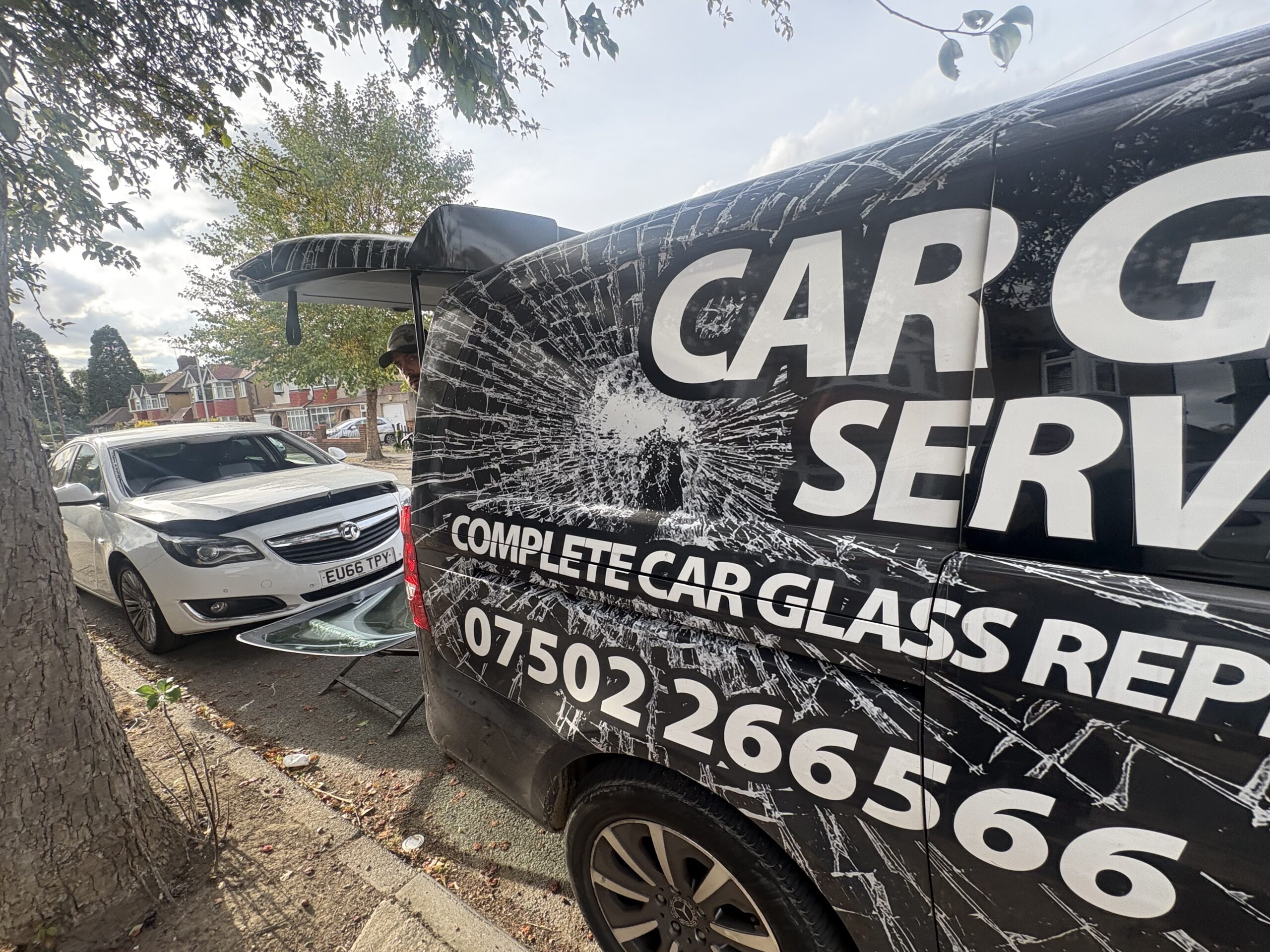
For many customers, mobile fitting is not just convenient. It is the most practical and safest way to deal with damaged glass. If your side window has been smashed, for example, driving the vehicle to a workshop can leave you exposed to weather, theft and loose glass inside the cabin. Having a technician attend your home or workplace means the broken glass can be cleared, the new unit fitted and the vehicle secured where it already sits.
The same applies to vans, fleet vehicles and larger SUVs. Tradespeople and business owners often cannot afford to lose half a day travelling to a depot and waiting around. A mobile service keeps disruption down while still allowing the work to be carried out properly.
Across busy parts of West London, that convenience makes a real difference. It is often easier and safer to get the job done on-site than to drive across town with damaged glazing.
When a workshop may be the better choice
Mobile does not mean suitable in every situation. If the vehicle is badly damaged around the frame, if there is corrosion where the glass sits, or if advanced calibration is needed after fitting, a controlled workshop environment may be the better option. The same goes for poor weather, awkward access or locations where the vehicle cannot be parked safely during the job. Some installations like side windows fitting or skylights demand more tools then just windscreen replacement that we can’t carried in a van that’s why it’s happened only in our address.
This is not a weakness in mobile fitting. It is simply good judgement. Honest technicians know the difference between a straightforward on-site replacement and a case that needs additional equipment, more space or more time under cover.
That is one of the clearest signs of a serious service. They do not pretend every job is identical.
Is mobile car glass safe for modern vehicles with sensors?
In many cases, yes, but this is where details matter. A lot of newer vehicles have cameras and driver assistance systems mounted near the windscreen. If the windscreen is replaced, those systems may need checking or recalibrating depending on the vehicle make and model.
This is why the job should never be treated as one-size-fits-all. The correct glass specification, including any sensor brackets or rain and light sensor compatibility, needs to be matched to the vehicle. If calibration is required, that should be handled properly as part of the process or arranged as needed.
For customers, the key point is simple: ask the question before the booking. A professional service should be able to explain whether your vehicle has these systems and what is required after replacement.
How to tell if a mobile car glass service is safe
You do not need to be a glazing expert to spot the basics. Start with how they speak to you on the phone. A proper service asks about the vehicle registration, damage type, location and urgency. It explains what glass is needed, gives realistic timing and talks you through what happens on arrival.
You should also expect clear answers on materials, fitting standards and safe drive-away time. If they avoid specifics, rush the booking without checking details or make vague promises, be cautious.
A safe mobile fitting service will usually do the following as standard:
- confirm the correct glass for the vehicle
- explain whether repair or replacement is the right route
- use quality materials suited to the job
- clear broken glass from the vehicle area where needed
- advise on curing time before the vehicle is driven
- check the finish, seal and fit before handover
None of this is flashy. It is just proper workmanship.
Common worries about mobile fitting
One concern drivers often have is weather. Fair question. Rain, cold and damp conditions can affect preparation and curing, but trained technicians work around that by using the right products, protecting the work area and refusing unsafe conditions when necessary. Mobile does not mean careless.
Another worry is whether the glass quality is lower. Again, that depends on the company, not the mobile model. Good providers use OEM-standard glass and materials that meet the correct specification for the vehicle. Poor providers cut corners. The same is true in fixed workshops.
People also ask whether mobile fitting is rushed because it is on the driveway. It should not be. Fast response is useful, especially after a break-in or sudden damage, but the fitting itself still needs care. Speed in booking is a benefit. Speed in workmanship at the expense of safety is not.
The real answer to “is mobile car glass safe?”
It is safe when the company doing the work treats it as safety-critical, not just another quick call-out. Mobile fitting has been a standard part of the trade for years, and for many everyday situations it is the most efficient option for the customer. But it only works well when the technician has the right experience, the right equipment and the confidence to say no when conditions are wrong.
That is the part many people miss. The question is not really mobile versus workshop. It is proper fitting versus poor fitting.
If you are booking a windscreen, side window or rear glass replacement, ask sensible questions, make sure your vehicle details are checked properly and do not be pressured into shortcuts. A dependable local specialist will not mind that at all. They will expect it, because safe glass work is built on doing the basics right, every single time.