

When Can Windscreen Damage Spread?
You park up with a tiny chip that looks harmless, then by the next morning there is a crack running further across the glass. If you are wondering when can windscreen damage spread, the honest answer is sooner than most drivers expect. A chip can stay much the same for a while, or it can open up quickly after one pothole, one cold morning or one hard slam of the door.
That uncertainty is exactly why small damage should never be ignored. Windscreens are built to be tough, but once the outer layer is broken, the glass is under strain. The question is not just whether it will spread, but what makes it spread and how much time you really have before repair is no longer the right option.
When can windscreen damage spread most quickly?
Windscreen damage tends to spread when the glass is put under extra stress. That stress can come from temperature changes ,like last beautiful sunny days , road vibration, body movement in the vehicle, or pressure around the damaged area (west London road are always in some work progress). A small chip near the middle of the screen may hold for a bit, while a crack near the edge can worsen much faster because the edge carries more structural tension.
Cold weather is a common trigger. If the glass is already damaged, using a hot blower on a freezing screen can make the crack travel. The reverse can happen as well. On a warm day, sudden cold water on hot glass can create the same kind of shock. It is not always dramatic, but it does not take much for weakened laminated glass to move.
Road conditions matter too. Speed bumps, potholes, rough sites, kerbs and uneven loading all create vibration through the vehicle. For van owners and trade drivers who spend long hours on mixed roads, that repeated movement can be enough to turn a repairable chip into a longer crack.
Why small chips turn into bigger problems
A windscreen is not a single sheet of simple glass. It is laminated, which means layers are bonded together for strength and safety. That helps stop the glass from shattering in the way a side window does, but it does not stop a surface break from developing.
Once a stone chip breaks the outer layer, the damage creates a weak point. Every normal part of driving then works against it – changes in temperature, twisting through corners, hitting bumps, even pressure from cleaning or wiping the area. Glass does not heal, and the stress that was once spread across the screen starts concentrating around the damaged point instead.
This is why a chip that looks tiny from the driver’s seat can still be a serious issue. The visible mark is only part of the story. There may be short legs or internal spreading already starting from the impact point.
The main factors that make damage spread
Size is one factor, but not the only one. A small star break with several legs can be less stable than a neat round chip. Shape matters because cracks spread along stress lines, and some patterns are more likely to run than others.
Location is just as important. Damage near the edge of the windscreen usually worsens faster than damage in the centre. The edge supports the screen within the frame, so any weakness there is more likely to move as the vehicle flexes. If the damage is directly in the driver’s line of sight, that is a separate issue as well because visibility and legal safety come into play.
Weather and driving habits also affect the timescale. A car used lightly on smooth roads may not see much change for days. A working van doing stop-start runs across West London, carrying tools and hitting rough surfaces, may see that same chip spread by the end of the shift.
Then there is simple delay. Dirt and moisture can get into the damaged area over time, which may affect repair quality and leave fewer options. Waiting rarely improves the situation.
Can windscreen damage spread overnight?
Yes, it can. Drivers are often surprised by this, but overnight spreading is common, especially in colder months. The reason is the temperature swing. Glass contracts in the cold, and if there is already a damaged point, the stress can extend the crack while the vehicle is parked.
Sometimes the spread only becomes obvious when daylight hits the screen at a different angle. Other times the crack does not grow until you start the car, switch on the heater and warm the inside surface faster than the outside. That quick contrast is enough to push an unstable chip further.
So if you notice fresh damage in the evening, it is sensible to treat it as urgent rather than assume it will look the same tomorrow.
When should you stop driving?
There is no single rule that covers every type of windscreen damage, but there are situations where carrying on is a poor decision. If the crack is growing, if the damage sits in your direct field of vision, or if it reaches towards the edge, it needs prompt professional attention. If visibility is affected at all, the vehicle may not be safe or road legal to continue using.
Drivers of vans and commercial vehicles should be especially careful here. A larger vehicle spends more time on the road, often carries more weight, and may face tighter schedules. That creates a temptation to keep going. But a worsening windscreen is not just cosmetic. The screen contributes to the vehicle’s structural integrity and helps support safe airbag performance in many vehicles.
If the damage changes while you are driving, gets noticeably longer, or you are unsure whether the screen is still safe, the sensible move is to stop using the vehicle until it has been assessed.
What not to do with a damaged windscreen
A lot of people make the damage worse while trying to be careful. Scrubbing the area, pressing on the chip, pouring hot water over an icy screen, or blasting the heater straight away can all add stress. Even slamming doors repeatedly can contribute if the glass is already unstable.
Tape kits and temporary covers may help keep dirt out for a short period, but they are not a proper fix. However in some point that step will help protect the damage place from the dirt,dust etc.The real value of acting early is that a technician can inspect the damage before it develops beyond the point where a straightforward repair is suitable.
If you are waiting for help, keep the glass as dry and clean as possible without rubbing at the impact point. Drive only if necessary, and avoid sudden temperature changes inside the vehicle.
When can windscreen damage spread beyond repair?
Always because this is already broken glass . We can try our best to repair but there is never any warranty that it may not become bigger or sprayed to the cracks.This depends on the size, type and position of the damage, but the window for repair can close quickly. A fresh chip is often far easier to deal with than one that has turned into a long crack or collected dirt and moisture. Once the crack length increases or the damage reaches a more critical area, replacement may be the safer route.
That is why delay often costs more in time and disruption, even if it did not start as major damage. What could have been handled promptly becomes a bigger job, and for anyone using their vehicle for work, that can mean lost hours as well.
A good technician will not guess. They will inspect the size, pattern and location of the damage and advise honestly whether repair is suitable or whether a replacement is the correct answer.
The practical answer for busy drivers
If you use your car or van every day, the safest approach is simple: treat any windscreen damage as time-sensitive. Not every chip spreads immediately, but enough of them do that it is not worth taking chances. The biggest mistake is assuming that because it is small now, it will still be small after the next journey.
For drivers in busy areas, especially where road surfaces, traffic and daily mileage put extra strain on the vehicle, speed matters. A fast inspection gives you clarity. You know whether the damage is stable, whether the vehicle should stay put, and what needs doing next.
At Car Glass Service, that practical side of the job matters just as much as the fitting itself. People do not want a lecture – they want a straight answer, a proper assessment and safe glass work done without wasting the day.
If you have spotted a chip or crack, do not wait for it to make the decision for you. Get it checked while it is still a manageable problem, and you give yourself the best chance of keeping the job smaller, safer and less disruptive.


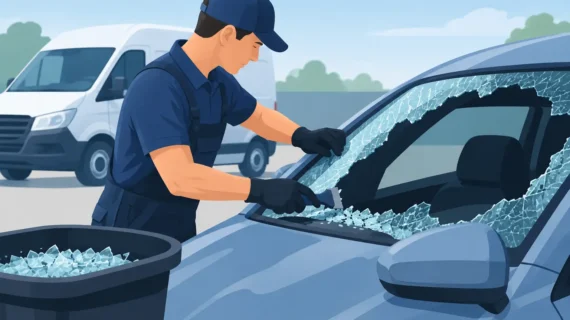



[…] In the case of transport companies or mobile service fleets, this type of damage often means more than just the cost of replacing the glass. A vehicle may need to be taken out of service for several hours or even days, which can directly affect scheduling and job completion across the fleet. As a result, many operators now rely on rapid-response repair services or mobile replacement units to minimise downtime. In practice, it’s not just about fixing the damage itself, but also about how quickly a technician can attend the vehicle and get it safely back on the road. […]