What Causes a Windscreen Chip to Spread?
You notice a small chip on the way to work, think it can wait a few days, and then one cold morning it has turned into a crack stretching across the glass. If you are wondering what causes a windscreen chip to spread, the short answer is pressure, temperature changes, vibration, and time. A tiny point of damage weakens the glass structure, and once that weakness is there, normal driving conditions can do the rest.
For most drivers, the frustrating part is how quickly it can happen. One day it looks minor. The next, it is right in your line of sight and far more likely to need replacement rather than a straightforward repair. That is why acting early usually saves hassle, time, and money.
What causes a windscreen chip to spread in the first place?
A windscreen is made from laminated glass, built to be strong but not indestructible. When a stone or other road debris strikes the surface, the impact creates a weak point. Even if the damage looks no bigger than a few millimetres, the force has already disturbed the outer layer of the glass.
From there, a chip spreads because the glass is under constant stress. Your windscreen flexes slightly while driving, when you go over potholes, when the body of the vehicle twists on uneven roads, and even when doors are shut firmly. The damaged area cannot handle that stress as well as the surrounding glass, so the fracture can extend.
This is why a chip is never just cosmetic. It may start as a small mark, but the conditions your vehicle faces every day can turn it into a larger crack surprisingly fast.
Temperature changes are a major cause
Heat and cold are two of the biggest reasons chips spread. Glass expands when it gets warm and contracts when it gets cold. If part of the windscreen is already damaged, those movements do not happen evenly, which puts extra strain around the chip.
A common example is on a winter morning. The windscreen is cold, then the heater is put on full blast to clear condensation or frost. That sudden temperature shift can encourage the damage to travel. The same goes in summer if the glass is hot from direct sun and then cooled rapidly by air conditioning.
It depends on the size and shape of the chip, but sharp temperature swings nearly always make things worse. Gradual warming is much kinder to damaged glass than sudden extremes.
Hot weather can be just as risky as cold weather
Many drivers assume winter is the main danger, but warm weather causes problems too. If your vehicle is parked in direct sunlight, the glass temperature can rise quickly. Add an existing chip to that stress, and the crack can begin to run.
The risk is higher if the damage is near the edge of the windscreen, because edge damage tends to spread more easily. The outer area of the glass often carries more structural stress than the centre.
Road vibration and rough driving conditions
Everyday driving creates movement through the whole vehicle. Speed bumps, potholes, rough surfaces, kerbs, and uneven roads all send vibration through the body and into the windscreen. On an undamaged screen, that is usually not a problem. On a chipped one, it can be enough to enlarge the break.
This matters even more for vans, trade vehicles, and commercial operators who spend long hours on the road. More mileage means more vibration, more flex, and more opportunities for a chip to spread. If you drive for work and rely on your vehicle daily, delaying attention to windscreen damage is rarely worth the risk.
Heavy door slams can also play a part. That may sound minor, but repeated shock through the frame can affect already weakened glass, especially if the chip is close to the edge.
Moisture, dirt and delay make repair less likely
A fresh chip is usually easier to deal with than an old one. Once dirt, dust, and moisture get into the damaged area, the condition of the break worsens. Contamination can make proper repair more difficult and can reduce the chances of achieving a clean, durable finish.
Rainwater is not harmless here. If water enters the chip and temperatures drop, expansion can increase the stress inside the damage. Even without freezing conditions, moisture and road grime can change the shape and behaviour of the break over time.
This is one reason waiting too long often leads to a poorer outcome. The chip does not just sit there unchanged. It is exposed to weather, movement, and contamination from the moment it happens.
Where the chip sits on the windscreen matters
Not all chips behave the same way. Position makes a real difference. Damage near the edge of the windscreen is more likely to spread because that area experiences greater structural tension. A chip in the middle may stay stable longer, but there are no guarantees.
The type of chip matters too. A small bullseye may remain contained for a while, while a star break with several legs gives cracks more routes to travel. If the impact has created visible lines coming away from the centre, that is usually a sign the damage is more unstable.
Size is also part of the picture, but bigger does not always mean worse and smaller does not always mean safe. A tiny chip in the wrong place can become a serious problem faster than a slightly larger one in a less stressed area.
What causes a windscreen chip to spread after a car wash or cleaning?
Sometimes drivers notice the crack getting worse after washing the vehicle. Usually, this comes down to temperature and pressure. Cold water on hot glass, or firm pressure when cleaning around the damaged area, can add enough stress to extend the chip.
That does not mean you should avoid cleaning your car altogether, but it does mean you should be cautious. Avoid very hot or very cold water directly on damaged glass. If the windscreen has a chip, gentle handling is always the safer option until it is assessed properly.
Can a chip spread overnight?
Yes, it can. A chip does not need weeks to worsen. If the conditions are right, a crack can spread in a matter of hours. A frosty night, followed by de-icing, heating, and the normal vibration of the morning drive, can be enough.
This is why drivers are often caught out. They assume a small mark can wait until the weekend, only to find the glass has deteriorated before then. Once the crack extends across the driver’s view or becomes too large, the repair option may be gone.
When a repair may still be possible
If the chip is small, fresh, and away from the driver’s direct line of sight, repair may still be suitable. The earlier it is checked, the better. Prompt attention helps before dirt gets in and before the damage has a chance to run.
There is no honest one-size-fits-all rule, because it depends on the depth, shape, position, and condition of the chip. But in general, fast action gives you more options. Leave it too long, and those options narrow.
For drivers in busy parts of West London, that convenience matters. If your vehicle is your daily transport or part of your work, getting the glass assessed quickly can stop a small issue from becoming a bigger interruption.
How to reduce the chance of a chip getting worse
If you cannot have it looked at immediately, a few sensible precautions can help reduce the risk. Try to avoid sudden temperature changes, skip blasting the heater straight onto the glass, drive carefully over potholes and speed bumps, and do not slam the doors.
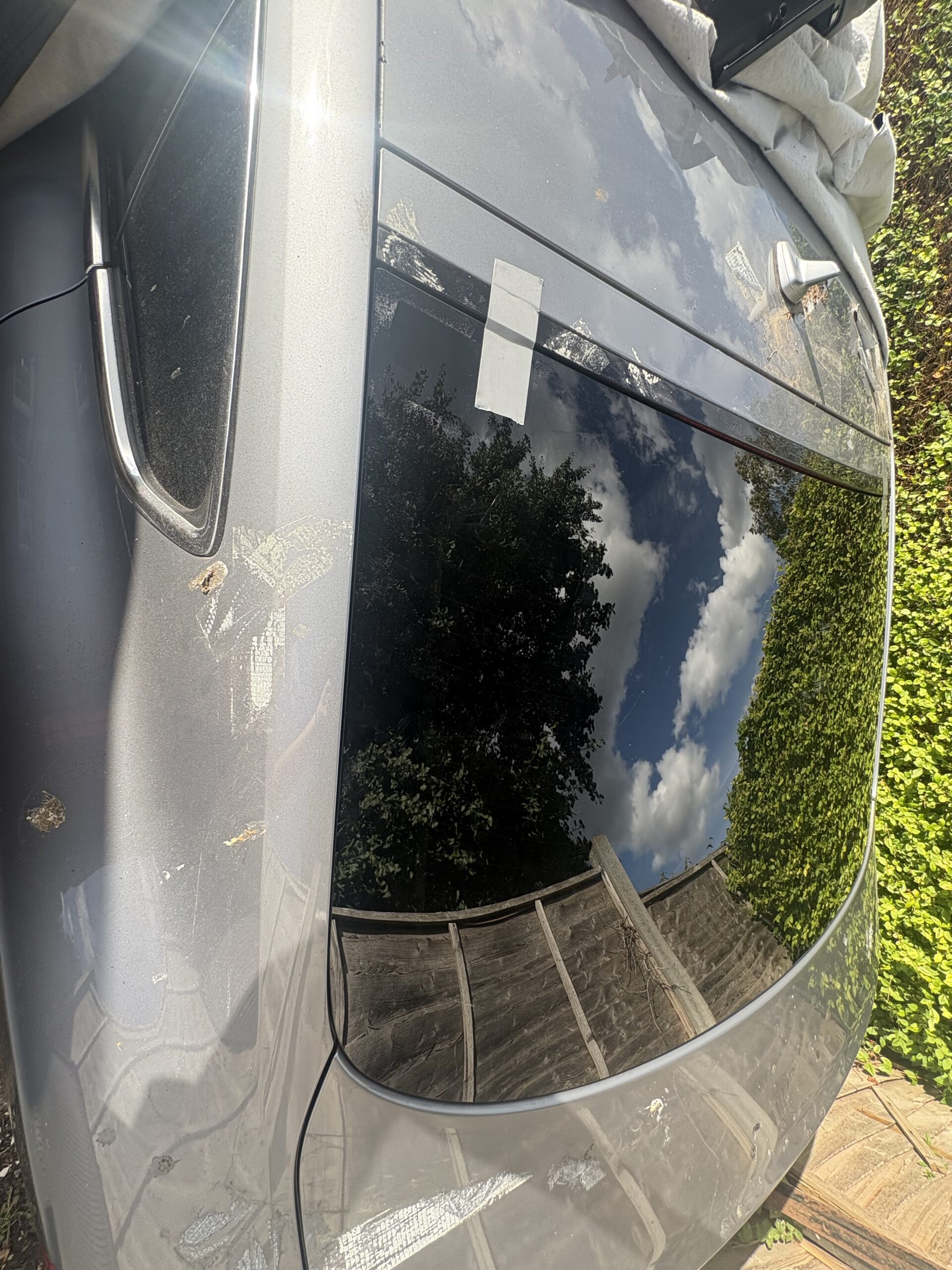
Keep the area as clean and dry as possible, but do not poke at the chip or try home fixes that can make professional repair harder later. Clear tape is sometimes used temporarily to help keep out dirt, but it is not a repair and should not be treated as one.
The main point is simple. The longer damaged glass stays on the road, the more chances it has to worsen.
Why quick action usually saves money and stress
Most people search this topic because they want to know whether they can leave the damage for now. Sometimes a chip stays stable for a short time, but relying on that is a gamble. Windscreens do not usually fail at a convenient moment.
A small chip is easier to manage than a long crack. It is also less disruptive to deal with early than when it suddenly affects visibility or road safety. For private motorists, van owners, and fleet users alike, time matters almost as much as cost.
At Car Glass Service, we see this regularly across West London – a minor chip that could have been dealt with earlier turns into more extensive damage after a few days of normal driving. The good news is that early attention often keeps the problem simpler.
If your windscreen has been chipped, the safest move is not to wait and see what happens. Small glass damage has a habit of getting bigger at the worst possible time.