Repairing Chip vs Replacing Windscreen – Which?
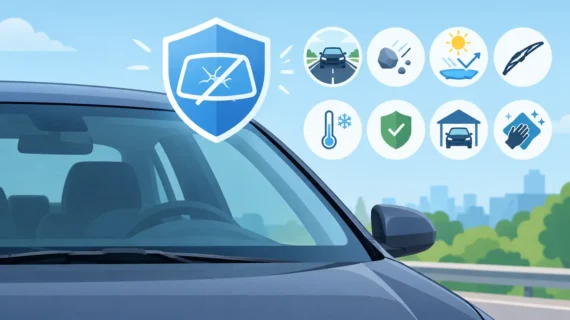
A small stone chip can look harmless when you first notice it, especially if it is tucked away near the edge of the glass. But repairing chip vs replacing windscreen is not simply a question of what costs less. The size, position and depth of the damage all affect whether the windscreen can remain safe, clear and structurally sound.
For drivers, van owners and fleet operators, acting early usually gives you more options. A chip left through cold mornings, rain, potholes and everyday vibration can spread without warning. Once damage becomes a crack, replacement is often the safe route.
Repairing Chip vs Replacing Windscreen: The Main Difference
A professional chip repair works by cleaning the damaged area and injecting a clear resin under controlled pressure. The resin is cured and polished to strengthen the affected section of glass and improve its appearance. It will not make every mark disappear completely, but a good repair can stop suitable damage from spreading and avoid the need for a new screen.
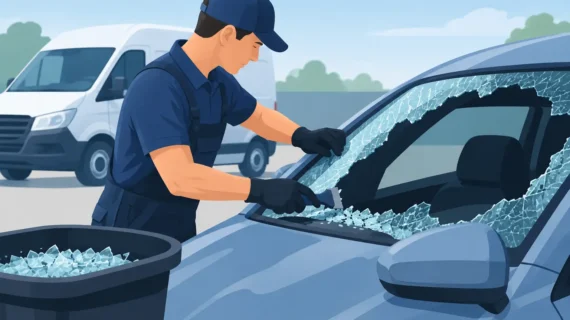
Replacement involves removing the damaged windscreen, preparing the vehicle frame correctly and fitting new glass with the right adhesive and materials. This is the right answer where the glass is too badly damaged to restore safely, or where the driver’s view and the windscreen’s strength could be compromised.
The key point is simple: repair is a cost-saving option for localised, suitable chip damage. Replacement is necessary when the damage has gone beyond those limits. A proper inspection is more reliable than judging it from a photograph or assuming that every small mark can be filled.
When a Chip Is Usually Suitable for Repair
A chip may be repairable when it is relatively small, has not developed into a long crack and is outside the driver’s direct line of vision. The damage also needs to be clean and dry enough for the resin to bond properly.
Fresh damage is normally easier to deal with. Dirt, moisture and screen wash can work their way into an open chip, making the finished repair less effective. If you spot a chip, avoid washing the vehicle, pressing on the glass or using very hot air directly onto it until it has been assessed.
The location matters as much as the size. Damage close to the edge of a windscreen can weaken the glass more than a similar chip in the middle. The edges are under greater stress from the body of the vehicle, and movement over rough roads can cause the damage to travel quickly.
A repair may also be unsuitable if there are several chips close together, if the impact has broken through more than one layer of glass, or if an earlier repair has failed. In these cases, fitting a replacement windscreen is generally the safer and more dependable option.
Why visibility rules matter
Even when a chip is physically repairable, it may be in a position that affects safe driving. Resin can greatly reduce the visible mark, but it cannot always restore perfect optical clarity. Damage directly in front of the driver can distort light, create glare at night or interfere with a clear view in rain.
That is why a technician should assess both the structural condition of the glass and its position. Passing an MOT and seeing the road properly are not details to leave to chance.
When Windscreen Replacement Is the Right Choice
A crack is different from a contained chip. It shows that the damage has started to move through the glass, and temperature changes or vehicle vibration can make it longer in a short time. Replacement is commonly needed for a long crack, damage reaching the edge, major impact damage or a break in the driver’s critical viewing area.
Modern windscreens do far more than keep wind and rain outside. They support the roof structure, contribute to airbag performance and often carry cameras or sensors. A poor decision about damaged glass can affect more than appearance.
Replacement is also the sensible route where a vehicle has advanced driver assistance systems. Cameras behind the rear-view mirror may support lane assistance, traffic-sign recognition, automatic emergency braking or automatic lights. After a new windscreen is fitted, these systems may require calibration so they continue to work as intended.
For vans and commercial vehicles, downtime is a real cost. It is tempting to keep working with damage that appears manageable, but a crack can spread on the way to a job and leave the vehicle off the road at the worst moment. Arranging the correct work promptly is usually easier than dealing with an avoidable emergency later.
Cost, Insurance and Long-Term Value
Repair is usually less expensive than replacement because it uses less material and takes less time. It can also help preserve the factory-fitted windscreen where the damage is suitable. However, choosing repair purely because it costs less is a false saving if the chip is too large, poorly placed or already spreading.
Replacement costs vary by vehicle. A basic windscreen is not the same as glass with heating elements, rain sensors, acoustic layers, heads-up display compatibility or camera equipment. The make, model, year and specification all matter, which is why an accurate quote should be based on the vehicle registration and a clear description of the damage.
If you plan to claim through insurance, check your policy excess and whether chip repair is covered separately from replacement. Some policies treat the two differently. A professional can provide the information needed for a claim, but the final cover and excess always depend on your insurer and policy terms.
The best value is work that is right for the damage, fitted properly and completed without unnecessary disruption. For a suitable chip, that may mean a quick repair. For unsafe or spreading damage, it means replacing the glass before the problem becomes more costly.
What to Do Before Your Glass Is Inspected
Keep the damaged area as clean and dry as possible. If rain is expected, a small piece of clear tape placed lightly over the outside of the chip can help prevent water and dirt entering it. Do not use opaque tape, and do not apply anything that could leave adhesive on the glass.
Avoid sudden temperature changes. Do not pour hot water over a frosty windscreen, and avoid blasting the heater straight at the damaged area. Glass expands and contracts with temperature, and that movement can turn a small chip into a larger break.
When requesting a quote, be ready with the vehicle registration, make and model, your location, and whether the damage is a chip or a crack. A photo can help identify the likely work required, although an on-site inspection remains the final check.
A Practical Choice for West London Drivers
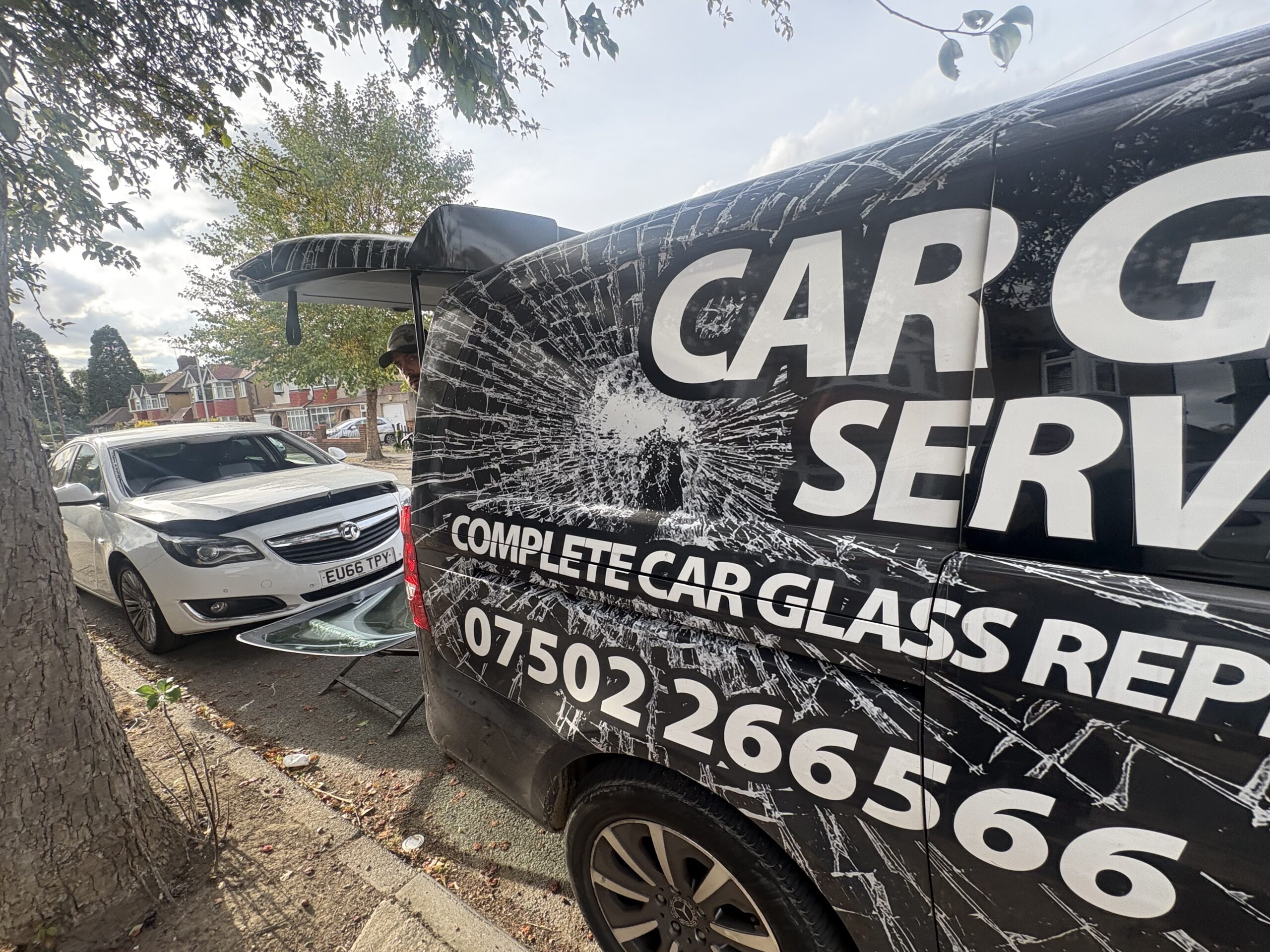
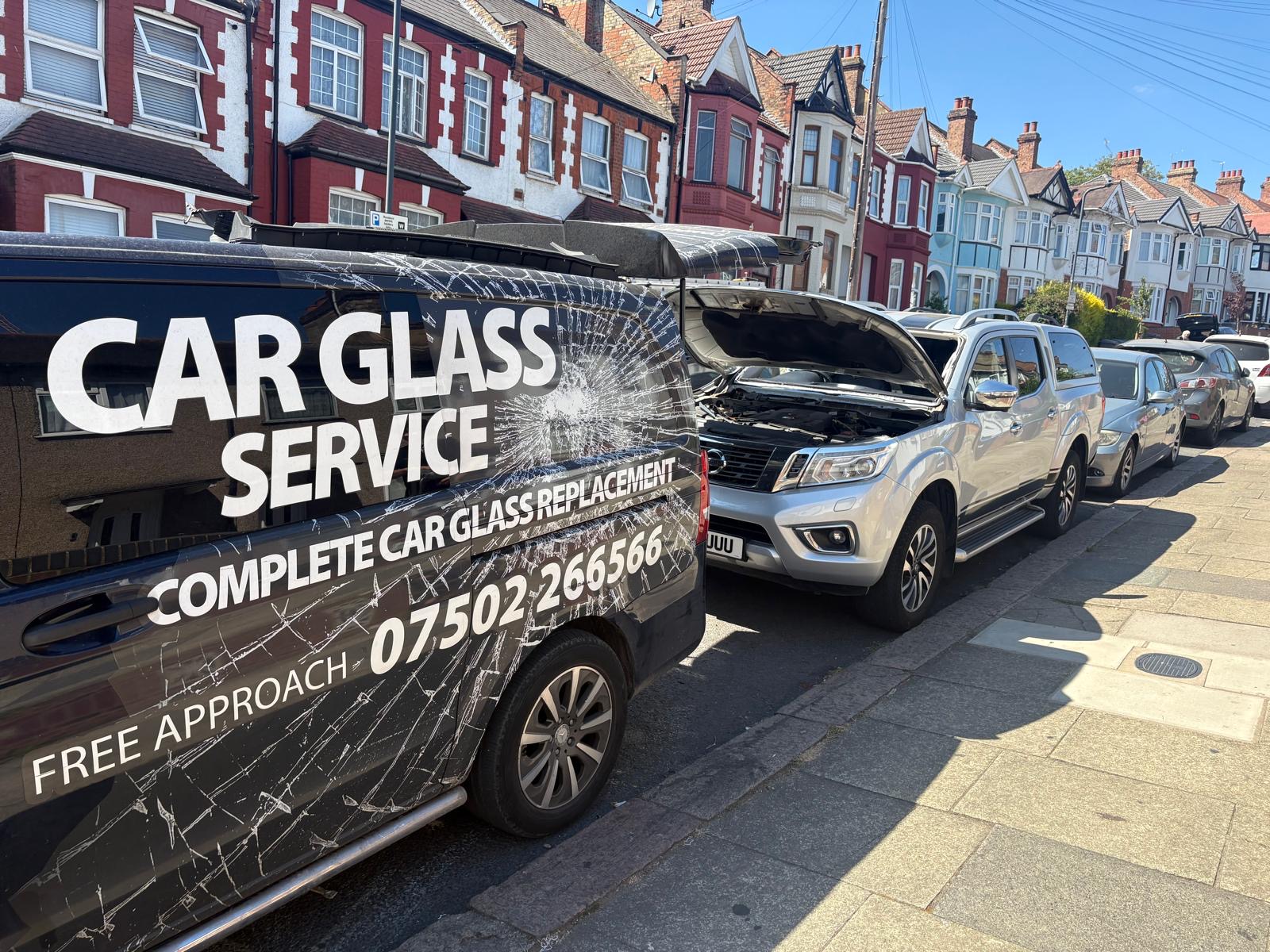
For busy drivers across West London, the convenience of having the work carried out at home, at work or where the vehicle is parked can make a real difference. Car Glass Service provides on-site assessment and fitting for cars, vans and commercial vehicles, using OEM-standard glass and materials where replacement is required.
A straightforward assessment should give you a clear answer: whether the chip is suitable for repair, whether replacement is safer, what is involved and what the work will cost. There is no benefit in delaying while damage is still contained.
If you have noticed a new chip, get it checked before your next long journey, cold snap or heavy downpour. A quick professional opinion now can protect your visibility, your vehicle and your time on the road.