Rear Windscreen Replacement Ealing: What to Expect
A shattered rear screen leaves more than broken glass to deal with. It can expose the interior to rain, make the vehicle unsafe to drive and, on many modern cars, affect the heated demister, aerial or driver-assistance equipment built into the glass. If you need rear windscreen replacement Ealing, the priority is a properly fitted screen, a clean vehicle and a clear answer on when you can get back on the road.
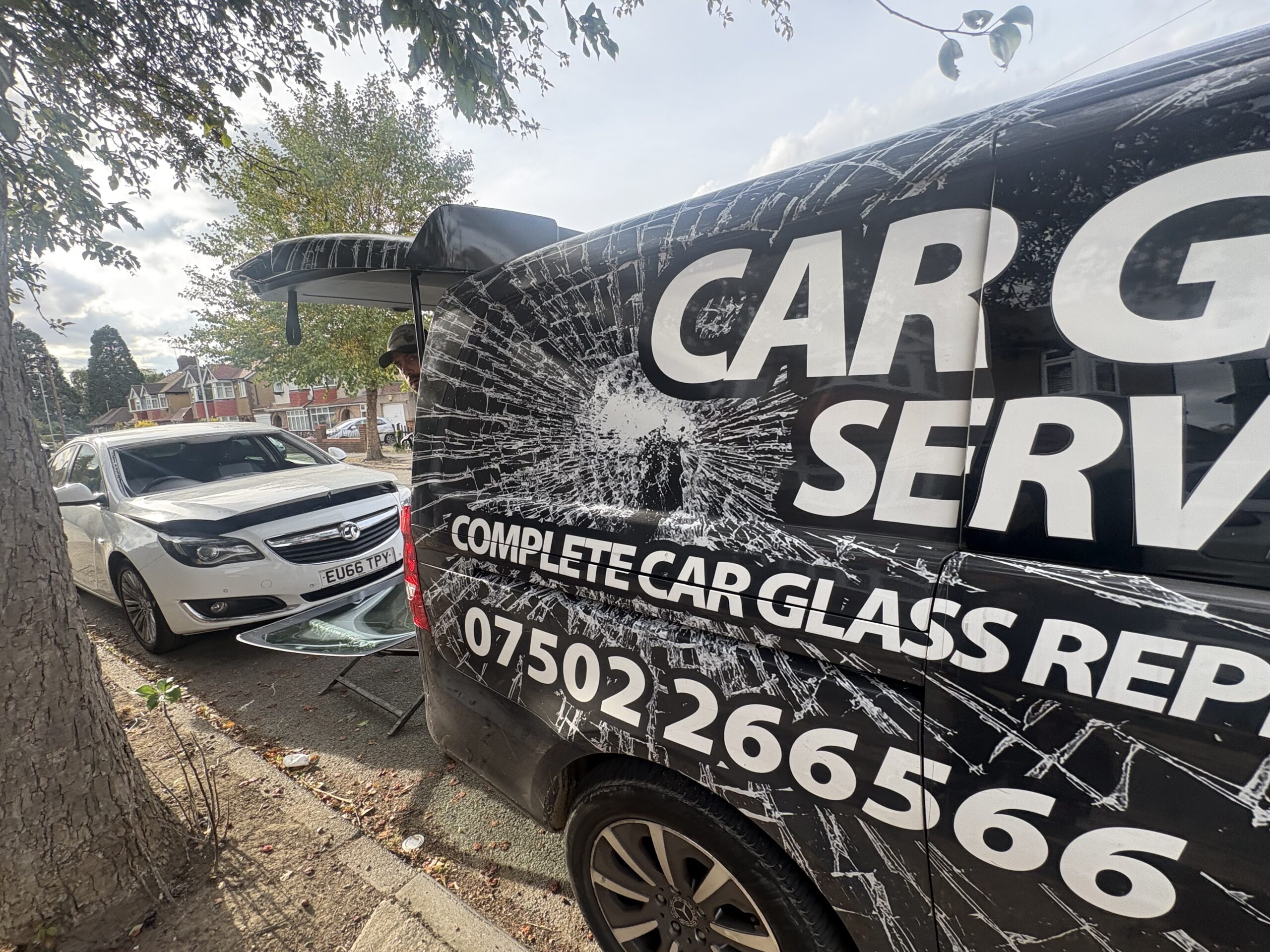
Car Glass Service provides on-site rear glass replacement across Ealing and West London for private motorists, vans, trade vehicles and commercial fleets. We bring the correct glass and fitting materials to your home, workplace or safe roadside location, so there is no need to arrange a workshop visit while your vehicle is vulnerable.
When a rear windscreen needs replacing
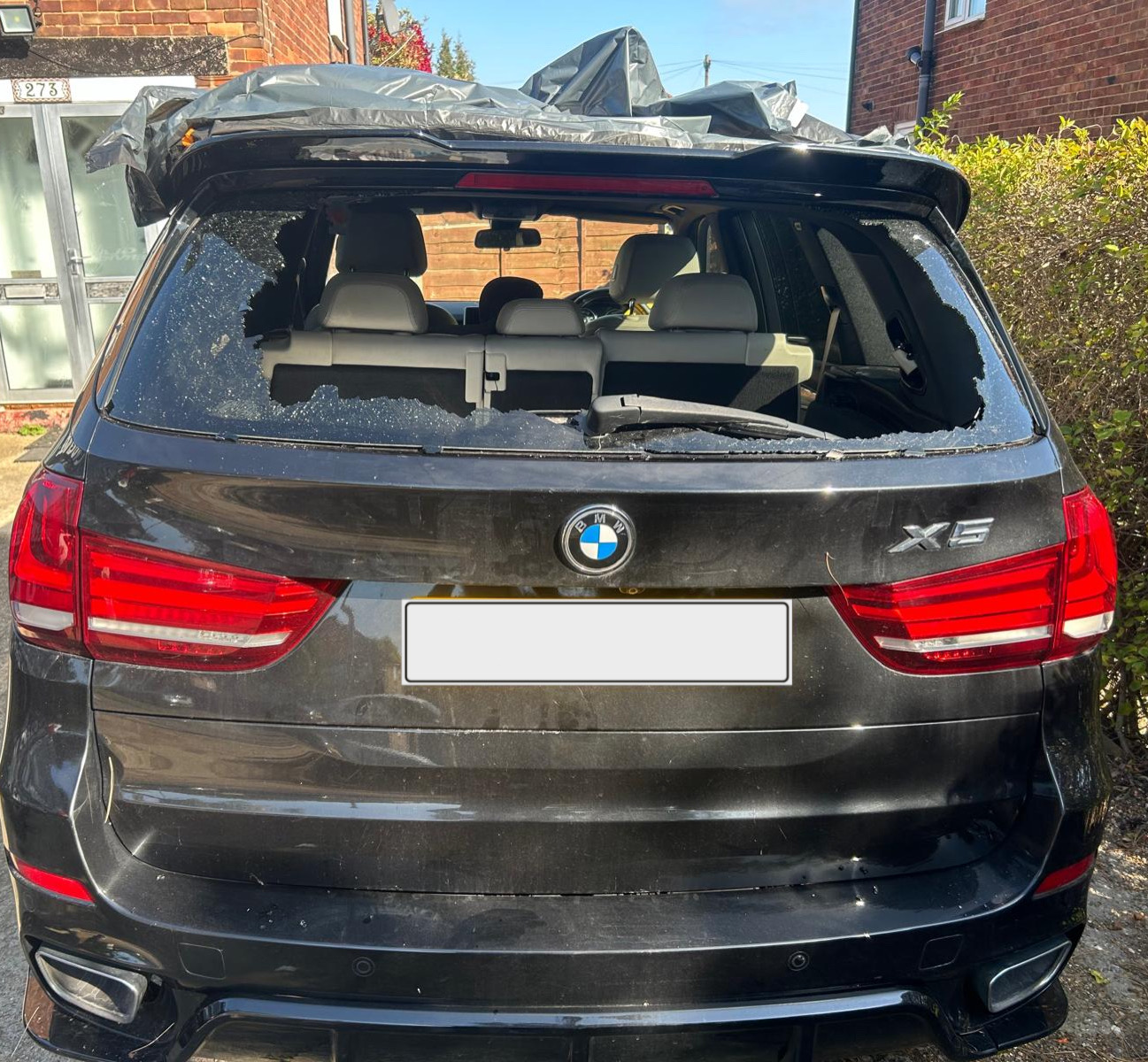
Rear windscreens are usually made from toughened safety glass. Unlike a laminated front windscreen, this type of glass often breaks into many small pieces after a sharp impact. Vandalism, an attempted break-in, a falling object, a collision or a sudden temperature change can all cause it.
Once the glass has shattered, replacement is normally the safe route. Even if most of the screen looks intact, loose fragments around the frame, damaged edges or a missing section can allow water into the vehicle and create a hazard for anyone inside. Avoid driving unless it is genuinely necessary to move the vehicle to a safer place.
A rear screen with a single crack is less common, but it still needs inspection. The right next step depends on the glass type, the crack position, whether the heated elements are affected and how stable the panel remains. A technician can confirm whether a full replacement is required before any work begins.
Why proper rear windscreen fitting matters
The rear screen does several jobs at once. It keeps the cabin weatherproof, supports visibility through the rear-view mirror and helps the heated demister clear mist or frost. On some vehicles it also contains radio aerial lines, connectors, sensors or tinting that must match the original specification.
A screen that is the wrong fit, fitted with poor materials or not sealed correctly can lead to leaks, wind noise and electrical problems. Water entering around the aperture may also damage the boot lining, roof lining or wiring over time. That is why the glass must be matched carefully to the vehicle and fitted with OEM-standard materials.
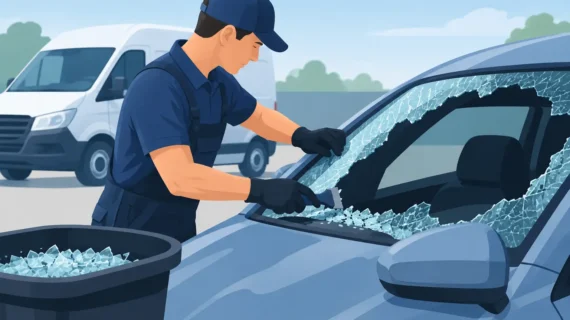
The clean-up matters too. Broken toughened glass travels further than most people expect. It can sit beneath seats, inside the boot, around door shuts and in the rear wiper area. A professional replacement includes removing visible broken glass from the working area before the new screen is installed.
Heated screens, aerials and vehicle-specific glass
Not every rear window is the same. A hatchback may have a heated screen with a bonded spoiler or wiper assembly, while an estate car or SUV may need a particular tint and antenna connection. Vans can have solid rear doors, glazed rear doors or aftermarket conversion windows, each requiring a different approach.
Providing the registration number, make, model and year when requesting a quote helps identify the correct screen. Clear photos of the damage and the full rear of the vehicle can also help confirm details such as privacy glass, heating connections and the presence of a rear wiper. This reduces delays and helps ensure the right glass arrives for the job.
How rear windscreen replacement in Ealing works
The process should be straightforward, particularly when the vehicle cannot be used safely. After you call for a quote, the job is assessed using the vehicle details and damage information. Once the correct glass is confirmed, a technician attends at an agreed location in Ealing or the surrounding West London area.
First, the remaining glass and damaged seal are removed safely. The aperture is checked for damage, corrosion and loose trim. If an impact has bent the bodywork around the opening, this may need attention before a new screen can be fitted properly. It is better to identify that early than fit glass into a distorted frame.
The technician then prepares the aperture, fits the new rear screen using suitable bonding or sealing materials, reconnects any relevant electrical components and checks the finish. Where applicable, the heated rear window and rear wiper operation are tested. You will also be advised about any curing time or aftercare required before washing the vehicle or using it normally.
The exact fitting time varies. Glass availability, vehicle design, weather conditions and the amount of broken glass all make a difference. A common vehicle with glass in stock can often be dealt with promptly, while a rare model, specialist tint or particular van window may take longer to source. An honest quote should make this clear from the start.
What to do while waiting for the technician
Keep children and pets away from the damaged area. If possible, remove loose items from the boot and rear seats without reaching through broken glass. Do not slam doors, as vibration can dislodge more fragments from the frame.
If rain is expected, cover the opening loosely from the outside with a clean waterproof sheet or temporary covering. Do not tape directly over paintwork for long periods, and do not force material into the window aperture. The aim is simply to limit water entering the vehicle until the replacement can be completed.
It is also worth taking photographs before clearing anything away. They can help with an insurance claim and give the glass technician a better view of the damage. If there has been a break-in, check whether any door seals, boot trim, locks or body panels have also been affected.
Rear glass replacement for cars, vans and fleets
For a private motorist, a broken rear screen is frustrating and disruptive. For a tradesperson or fleet operator, it can stop a working day altogether. A van carrying tools, stock or equipment cannot be left exposed, and a company vehicle with broken glass presents a security issue as well as a safety concern.
On-site fitting is particularly useful for vans and commercial vehicles because it avoids arranging transport to a garage. It also gives the driver or fleet manager a clearer plan for getting the vehicle secured again. For converted vans and campervans, rear and side glass may be non-standard, so accurate measurements and specification checks are especially important.
If your vehicle has aftermarket window film, a custom interior lining or conversion fittings near the rear aperture, mention this when booking. It does not always prevent replacement, but it can affect preparation time and the method used to protect the surrounding finish.
Getting an accurate quote
The cost of a rear screen replacement depends on the vehicle and glass specification, not simply the size of the window. Heated elements, tinting, built-in aerials, rare glass and commercial vehicle designs can all affect the price. Access can matter too, particularly if the vehicle is in a tight space or has substantial broken glass inside.
For the clearest quote, have the registration number ready and explain whether the glass is completely shattered, cracked or missing. Tell the team where the vehicle is located and whether it is parked safely for on-site work. This allows the right materials, tools and replacement screen to be arranged without guesswork.
Do not put off a broken rear window just because the weather is dry. Dust, moisture and unsecured glass can quickly turn a simple replacement into damage to the interior or electrics. A prompt, properly matched rear screen protects the vehicle, restores rear visibility and lets you get on with the rest of your day. Call for a free quote and get the glass sorted properly.