Vehicle Glass Insurance Excess Guide for Drivers
A smashed side window outside your home, or a windscreen damaged on the way to work, creates one immediate question: how much will this cost me? This vehicle glass insurance excess guide explains what your policy may pay, what you are likely to pay yourself, and how to avoid delays when you need the vehicle back on the road.
For most drivers, glass cover is straightforward once the insurer has confirmed the claim. The confusion usually comes from the excess, approved repairers and whether it is better to claim at all. A quick check before work starts can prevent an unexpected bill.
What is a vehicle glass insurance excess?
The excess is the amount you contribute towards an insurance claim. If your policy covers the glass damage and the replacement costs more than your excess, the insurer normally pays the remaining balance.
For example, if a side window replacement is £320 and your glass excess is £100, you pay £100 and the insurer pays £220, subject to the terms of your policy. The fitter may collect the excess from you directly after the insurer authorises the work.
Glass excess is often different from the standard excess on an accident claim. A comprehensive policy may have a separate, lower excess for windscreen or vehicle glass claims. Do not assume the figure shown for collision damage applies to your glass. Check the policy schedule, insurer app or claims line for the exact amount.
The amount can vary depending on the insurer, policy level, vehicle and whether the job is a windscreen replacement or another piece of glass. Some policies also distinguish between a replacement and minor damage work. Always ask what applies to your situation before approving the job.
When does glass insurance cover apply?
Vehicle glass cover is most commonly included with comprehensive insurance. It can cover a damaged windscreen, rear screen, side window, quarter glass or panoramic roof glass, depending on the policy. Damage caused by vandalism, a break-in, road debris or an accident may be covered, but the reason for the damage and the policy wording still matter.
Third-party only and third-party, fire and theft policies do not always include glass cover. A business, fleet or van policy can have different terms again, especially where tools, security and downtime are involved. If you use your van for work, check the policy rather than relying on what was included with a previous private car policy.
Glass claims often do not affect your no-claims discount, but this is not guaranteed. Insurers have their own rules, and a claim can still appear in your claims history. It is worth asking two direct questions: will this claim affect my no-claims discount, and will it affect my renewal price? The answer may help you decide whether to claim or pay privately.
Vehicle glass insurance excess guide: claim or pay privately?
The right option depends on the replacement cost, your excess and the policy conditions. If the total price is only slightly higher than your excess, paying privately can be simpler. You avoid making a claim and can choose the fitting arrangement that suits you, provided the vehicle is safe to drive or can remain parked until the work is completed.
Where the replacement cost is substantially higher than the excess, an insurance claim is usually the sensible route. This is often the case with heated rear screens, windscreens carrying cameras and sensors, glass for luxury vehicles, or specialised van and commercial vehicle glass.
There is also a practical point. A broken side window leaves the interior exposed to rain and theft. A badly damaged windscreen can affect visibility and may make the vehicle unsafe or unlawful to use. Waiting for a policy decision without making the call can cost more in missed work, vehicle security and inconvenience.
Before deciding, get a clear price for the work and confirm your policy excess. Ask whether VAT is included, whether glass disposal and interior clean-up are included, and whether any required camera calibration is covered. A cheap-looking quote is not helpful if essential work is added afterwards.
How an insurance glass claim usually works
Start by contacting your insurer or the claims number shown in your policy documents. Give them the vehicle registration, details of the damage and where the vehicle is located. They will confirm whether you have glass cover, the excess due and whether they require an approved supplier or can authorise your chosen fitter.
Do this before the replacement is booked wherever possible. Some insurers will only pay directly when their approval process is followed. If you arrange work first, you may have to pay the full invoice and seek reimbursement later, which is not always guaranteed.
Once authorised, the fitter confirms the correct glass specification and arranges a suitable time and location. For urgent side-window damage, mobile fitting at your home, workplace or depot can save a trip to a workshop. The technician should remove loose glass carefully, prepare the frame correctly and fit glass designed for the vehicle.
Modern windscreens can involve more than fitting a new screen. If the vehicle has a forward-facing camera or driver-assistance features, calibration may be required after replacement. Ask who will carry this out, whether it is included in the insurer authorisation and whether you will receive confirmation that the work has been completed correctly.
Choosing a fitter without creating a claims problem
You are entitled to ask questions about who fits your vehicle glass. The insurer may recommend a network provider, but your policy and authorisation route determine what choices are available. The main priority is to use a competent automotive glazing specialist that can supply the correct glass, fit it safely and explain the process clearly.
For a straightforward claim, confirm four things before the work starts:
- Your insurer has authorised the job and confirmed the excess.
- The fitter has identified the correct glass for your exact vehicle.
- Any sensor, camera or heating connections have been considered.
- The final price and any non-covered items have been explained.
For customers across West London, a local mobile service can be particularly useful when a vehicle cannot be left unattended or taken off the road for long. Car Glass Service handles replacement glass for cars, vans, commercial vehicles and campervan conversions, with fitting arranged at a suitable location where possible.
Extra points for vans, fleets and campervans
A van off the road is not just an inconvenience. It can mean missed jobs, delayed deliveries and tools left at risk. Fleet operators should keep insurer details, vehicle registrations and driver contact information available so an urgent glass claim can be reported quickly.
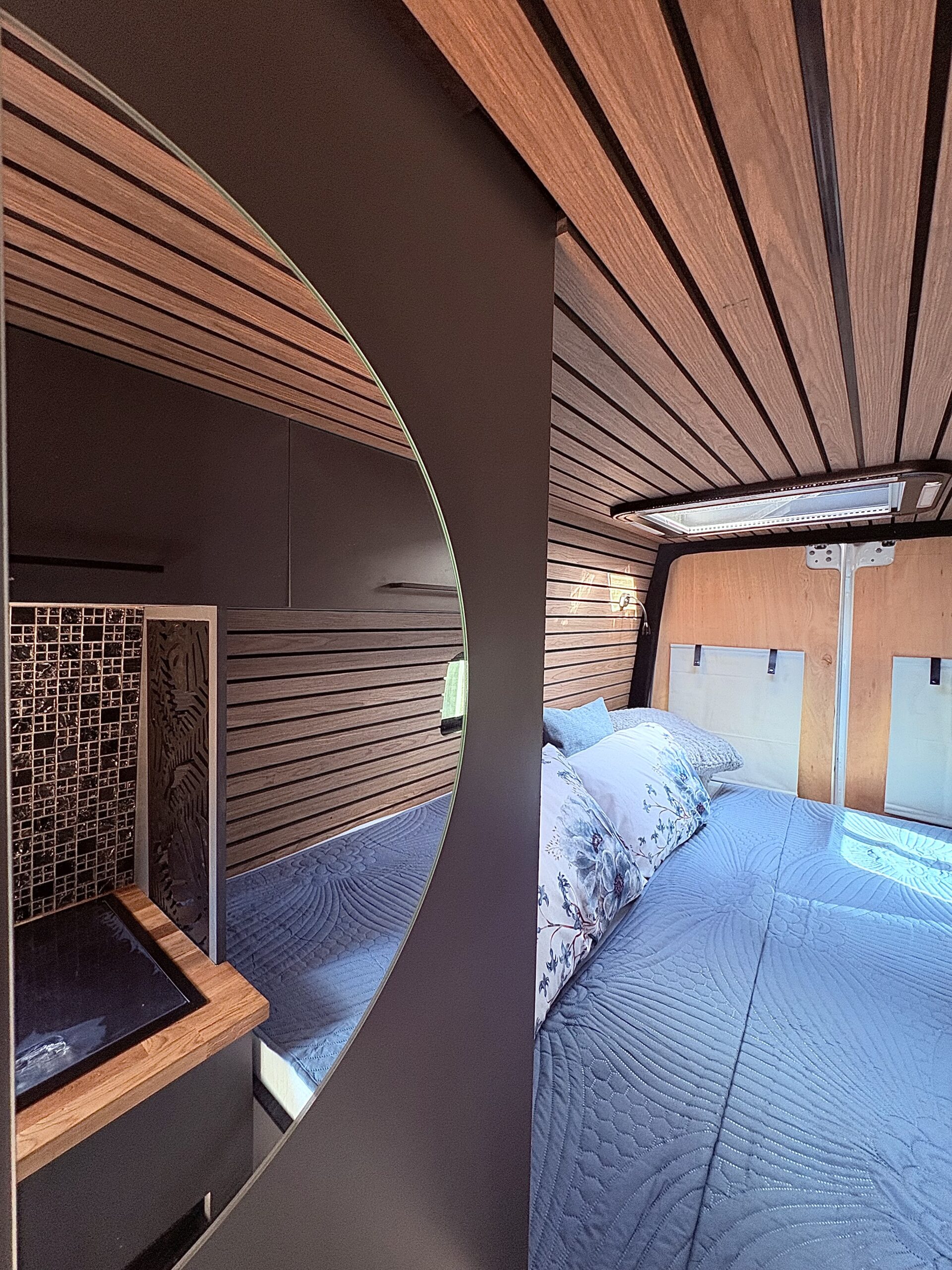
Campervans and converted vans need extra care because window layouts can be non-standard. Fixed and opening conversion windows, rear glass and skylight-adjacent panels may not be treated like ordinary factory vehicle glass. Tell both the insurer and fitter about any conversion work, modifications or added equipment before a replacement is ordered.
For commercial vehicles, correct glass identification matters. The same model can have different windscreen versions according to year, camera equipment, rain sensors, heating elements and body style. Providing the registration and clear photographs of the damaged area helps avoid wasted time and incorrect parts.
Do not drive until safety is clear
If broken glass is loose, the driver’s view is affected, or a side window has been smashed, treat the vehicle as a safety and security issue first. Keep people away from sharp fragments, protect the interior from rain where possible and contact your insurer or a professional fitter promptly. Avoid using tape across the driver’s viewing area or attempting a temporary fix that could create another hazard.
A clear excess figure and insurer approval can make an urgent glass problem far less stressful. Check the policy, ask what is included, and choose a fitter who gives you a straight answer before the work begins.