Car Glass Repair Trends Changing West London
A windscreen is no longer just a sheet of glass between you and the road. Modern vehicles often place cameras, sensors, heating elements and aerials directly around it. That is why car glass repair trends now focus as much on correct fitting and vehicle safety systems as on getting damaged glass changed quickly. For drivers, van owners and fleet operators in West London, the right response is still simple: assess the damage promptly, use the correct glass, and have it fitted properly.
Windscreen replacement is becoming more technical
The biggest change in automotive glazing is the number of safety systems connected to the windscreen. Many newer cars use a forward-facing camera near the rear-view mirror for lane assistance, traffic-sign recognition, automatic emergency braking and adaptive cruise control. The windscreen is therefore part of the vehicle’s safety setup, not simply a separate panel.
When a windscreen needs replacing, the make, model, year and specification all matter. Two windscreens that look similar may have different camera brackets, rain sensors, acoustic layers, heating elements or heads-up display compatibility. Fitting the wrong specification can lead to warning lights, poor camera alignment or features that no longer work as they should.
This does not mean every vehicle needs a complicated process. Older vehicles and many commercial vans have more straightforward glazing. But it does mean a proper quote should start with accurate vehicle details and a clear description of the damage. A photograph can also help identify whether there are sensors, mouldings or other parts that must be included.
Camera calibration is now part of the conversation
Advanced driver-assistance systems, often called ADAS, are one of the most talked-about car glass repair trends. After a windscreen replacement on a vehicle with a camera system, calibration may be required so that the camera reads the road correctly.
The exact requirement depends on the vehicle manufacturer, the vehicle specification and the work carried out. It should never be guessed. A professional glass fitter will identify the relevant equipment around the screen and advise on the correct next step. Saving a little on the fitting is not worthwhile if a safety camera is left out of position.
Quality glass matters, but the right match matters more
Drivers often ask whether they need dealer-branded glass or whether high-quality replacement glass is suitable. The honest answer is that it depends on the vehicle and its features.
OEM-standard glass is made to meet the required specification for fit, safety and performance. On a standard windscreen without specialist equipment, quality replacement glass can be a sensible option. On vehicles with a head-up display, heated screen, acoustic windscreen, camera mount or unusual tint, matching the full specification is particularly important.
The same applies to side windows, rear screens and tailgates. Tinted privacy glass, heated rear windows and built-in aerial connections need the correct part and careful fitting. A smashed side window may look like a quick job, but clearing every piece of broken glass from the door, seals, seats and floor is just as important as fitting the new panel.
Faster mobile service is now expected
Convenience is not a luxury when your car has been broken into or a van is off the road. One of the clearest trends is the move towards mobile fitting at a home address, workplace or secure parking location. It removes the need to drive with unsafe damage or arrange transport to a workshop.
For a side-window replacement, rear windscreen replacement or van glass job, mobile work can often be the practical answer. The technician brings the glass, bonding materials and tools to complete the job on site, subject to safe working conditions and the correct part being available.
There are limits. Heavy rain, poor access, unsafe roadside locations and certain specialist vehicle jobs may mean another arrangement is needed. Good service is not about making promises that compromise the quality of the installation. It is about giving a clear timescale, turning up prepared and leaving the vehicle safe, clean and weatherproof.
For urgent work across areas such as Northolt, Harrow, Ealing, Hayes, Hounslow, Uxbridge and Slough, this practical call-out approach can make a real difference to a working day.
Van and commercial glass is getting more specialised
Vans are not treated as basic work vehicles in the way they once were. They are mobile workshops, delivery vehicles, fleet assets and, increasingly, campervan conversions. A broken window can mean lost jobs, insecure tools or a vehicle that cannot be used legally or safely.
Commercial glass replacement now covers far more than a front windscreen. It can include side-door glass, rear doors, quarter glass, heated rear screens and lorry windscreens. The priority is usually straightforward: minimise downtime without cutting corners on materials or fitting.
Fleet operators benefit from having vehicle details ready when requesting a quote. Registration number, model, body style, damage location and whether the vehicle has cameras or heated glass can speed up the process. For a tradesperson, that preparation can be the difference between getting back to work promptly and losing another day.
Campervan conversion glazing is growing
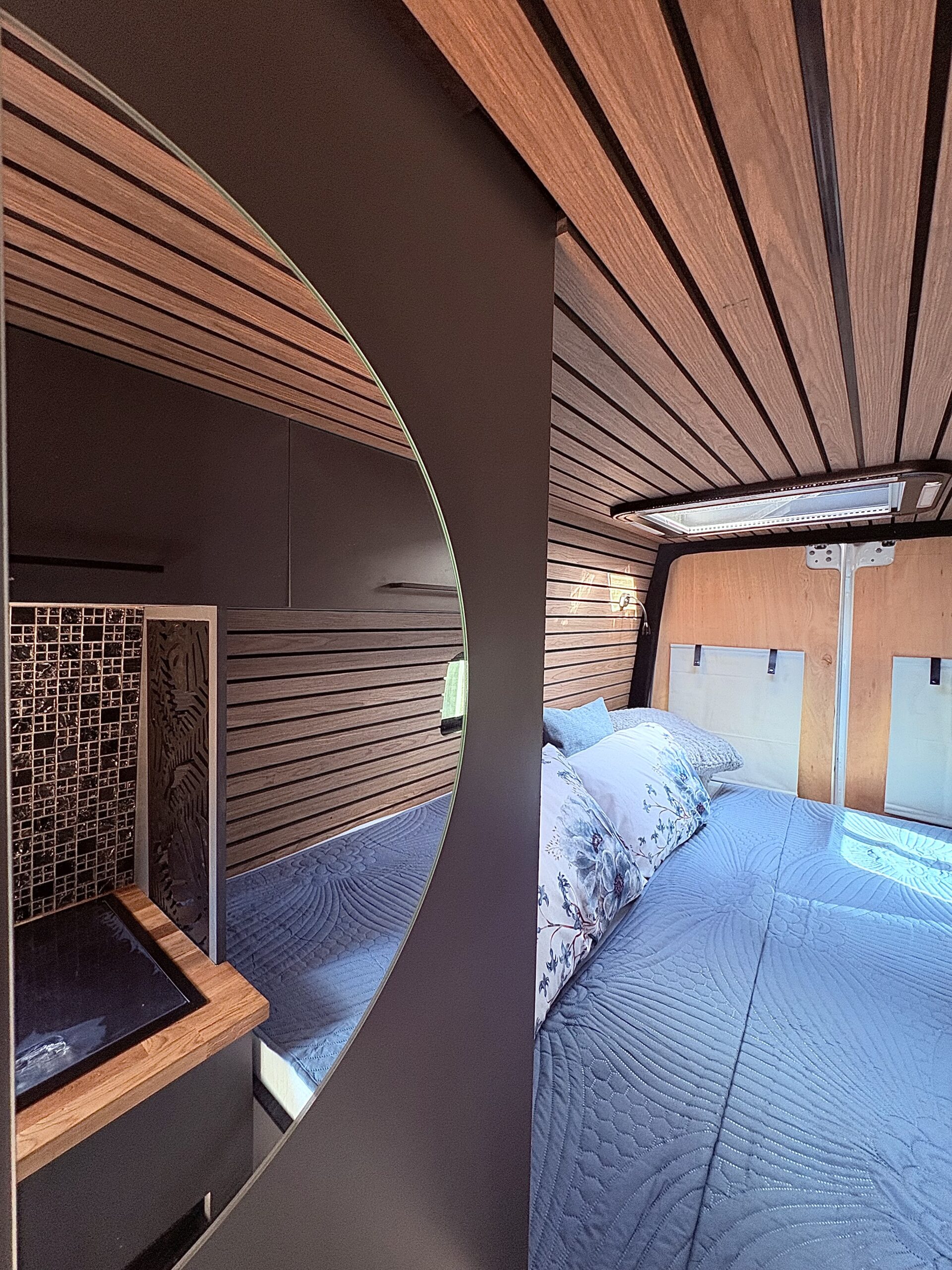
The rise in van conversions has created a more specialist demand for fixed side windows, opening windows, skylights and privacy glass. This work is very different from replacing a broken car window. It needs accurate measuring, careful cutting, correct bonding and proper finishing so that the vehicle remains watertight and looks right.
A well-planned conversion can transform a Ford Transit, Transit Custom, Mercedes Sprinter, Citroën Relay, Peugeot Boxer, VW Crafter or Fiat Ducato. Opening windows improve ventilation, while fixed privacy windows can add light and a cleaner finish. Skylights, solar panels and interior conversion work are often considered at the same stage because access and layout need to work together.
The trade-off is simple: rushing a conversion window installation can lead to leaks, wind noise or damaged bodywork. Choosing the right window layout before cutting begins is worth the time. Think about bed position, kitchen placement, ventilation, privacy and where passengers will sit.
Sustainability means avoiding unnecessary replacement
There is more attention on waste in vehicle repairs, and automotive glass is part of that conversation. The most sustainable replacement is usually the one that was not needed in the first place. However, safety comes before saving a screen.
A crack cannot be repaired safely and should be assessed for replacement without delay. Damage can spread quickly with road vibration, temperature changes, potholes or use of the heater and demister. If the crack affects the driver’s view or reaches the edge of the glass, delaying the job can create a greater safety issue.
Where replacement is required, good practice means selecting suitable quality glass, using the correct bonding materials and removing damaged glass carefully. Proper installation also prevents water leaks, wind noise and repeat work, which is better for the customer and avoids further waste.
What drivers should ask before booking
The best results come from clear information, not jargon. Before agreeing to any glass work, ask whether the quoted screen or window matches your vehicle specification, whether mouldings and clips are included, and whether there are cameras, sensors or heating elements to consider.
If your side window has been smashed, ask how the broken glass will be cleared from the vehicle. If it is a van, explain whether it is a standard panel van, a crew van or a camper conversion. For a rear screen, confirm whether it is heated and whether it includes aerial connections.
Price matters, but the cheapest-looking quote is not always the best value if essential parts, clean-up or correct specification are missing. A good quote should be clear about what is supplied, what is fitted and what the vehicle needs before it returns to the road.
Car Glass Service works with private drivers, tradespeople and commercial operators across West London, providing quality glass supply and fitting for cars, vans and commercial vehicles. The focus is on practical advice, professional workmanship and getting the right glass fitted without unnecessary delay.
If your glass is damaged, do not wait for a small problem to become an unsafe one. Have the vehicle details ready, describe the damage clearly and get a proper quote from a specialist who will treat the job with the care it deserves.