Vehicle Glass Claims After Windscreen Damage
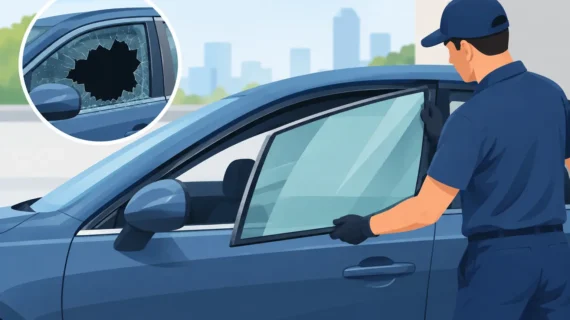
A smashed side window outside your home, or a windscreen damaged on the way to work, can stop the day quickly. Vehicle glass claims can help with the cost, but the right next step depends on the damage, your policy excess and whether the vehicle is safe to use. Acting promptly protects the vehicle, keeps you on the right side of your insurer’s process and gets you back on the road sooner.
What to do first after glass damage
Start with safety. If the windscreen damage affects your clear view of the road, if glass is loose, or if a side window has been smashed, avoid driving until the vehicle has been assessed. Broken glass can continue to fall from the door or frame, while a damaged windscreen can compromise visibility and the structure around the front of the vehicle.
If the damage appears to be from theft or vandalism, take photographs before clearing anything away and report the incident to the police where appropriate. Your insurer may ask for a crime reference number, particularly where personal belongings were stolen from the vehicle.
Take clear photos of the damage from inside and outside. Include the whole vehicle as well as close-ups of the glass, and make a note of the date, time and location. For a work van or fleet vehicle, record what happened and whether any tools, stock or equipment have been affected. These details make a claim easier to explain and can prevent delays later.
Do not leave a smashed opening exposed if you can avoid it. Rain, road dirt and loose glass can cause further damage to seats, door trims and electrical components. A professional fitting service should remove loose fragments carefully, clean the affected area and fit the correct glass securely.
How vehicle glass claims usually work
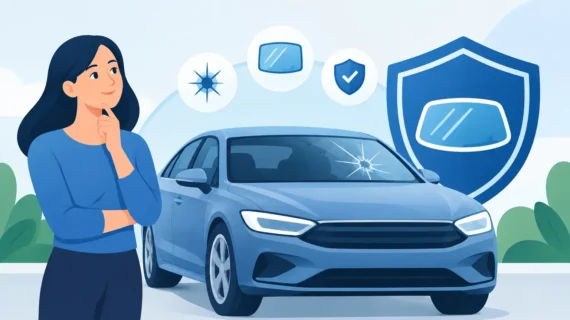
Most comprehensive motor policies include separate cover for windscreens and other vehicle glass. This often means a glass claim is handled differently from an accident claim, with its own excess. However, policies vary, so do not assume that every window, sunroof, rear screen or commercial vehicle is covered in the same way.
Before authorising work through insurance, check three practical points: your glass excess, the claim limit and your insurer’s approved repairer rules. Some insurers arrange the work directly through a claims line. Others allow you to choose a local specialist, but may ask for an invoice, pre-authorisation or specific information before they reimburse you.
A lower premium does not always mean lower costs at the point of damage. You may have a glass excess to pay, and if the replacement price falls close to that amount, paying privately can sometimes be more straightforward. Ask for a clear quote first, then compare it with your excess and the terms of your policy.
Will a glass claim affect your no-claims discount?
Often, windscreen-only claims do not affect a no-claims discount, but this is not guaranteed. The answer sits in your own policy wording. It may also depend on the insurer, the type of glass damaged and whether the claim is recorded as glass-only.
Call your insurer or broker and ask directly how the claim will be recorded. It is worth getting clarity before work begins, especially if you have protected no-claims discount, a high-value vehicle or several vehicles on a commercial policy.
Can you use your own glass specialist?
It depends on your insurer. Some policies direct customers to a preferred network, while others permit work by an independent provider. If you want a local service, confirm whether the insurer requires authorisation first and whether they will settle the invoice directly or reimburse you afterwards.
The key is not to delay necessary safety work while waiting for unclear answers. Explain that the vehicle is unsafe, exposed or needed for work, then ask what evidence and approval they need. Keep the claim reference, the adviser’s name and any emails or messages relating to the decision.
Repair or replacement: what the damage means
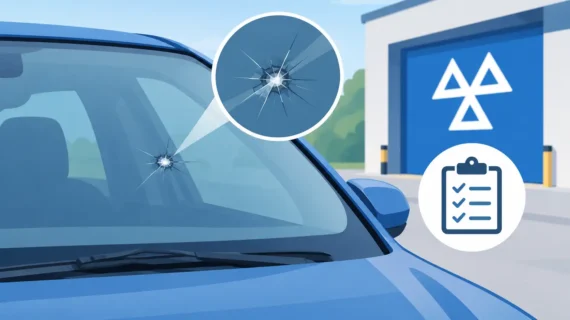
A small stone chip may sometimes be suitable for assessment and repair, depending on its position, size and the condition of the glass. Damage in the driver’s main line of vision, damage close to an edge or any damage that affects safe visibility needs particular care. A proper assessment is better than guessing from a photo alone.
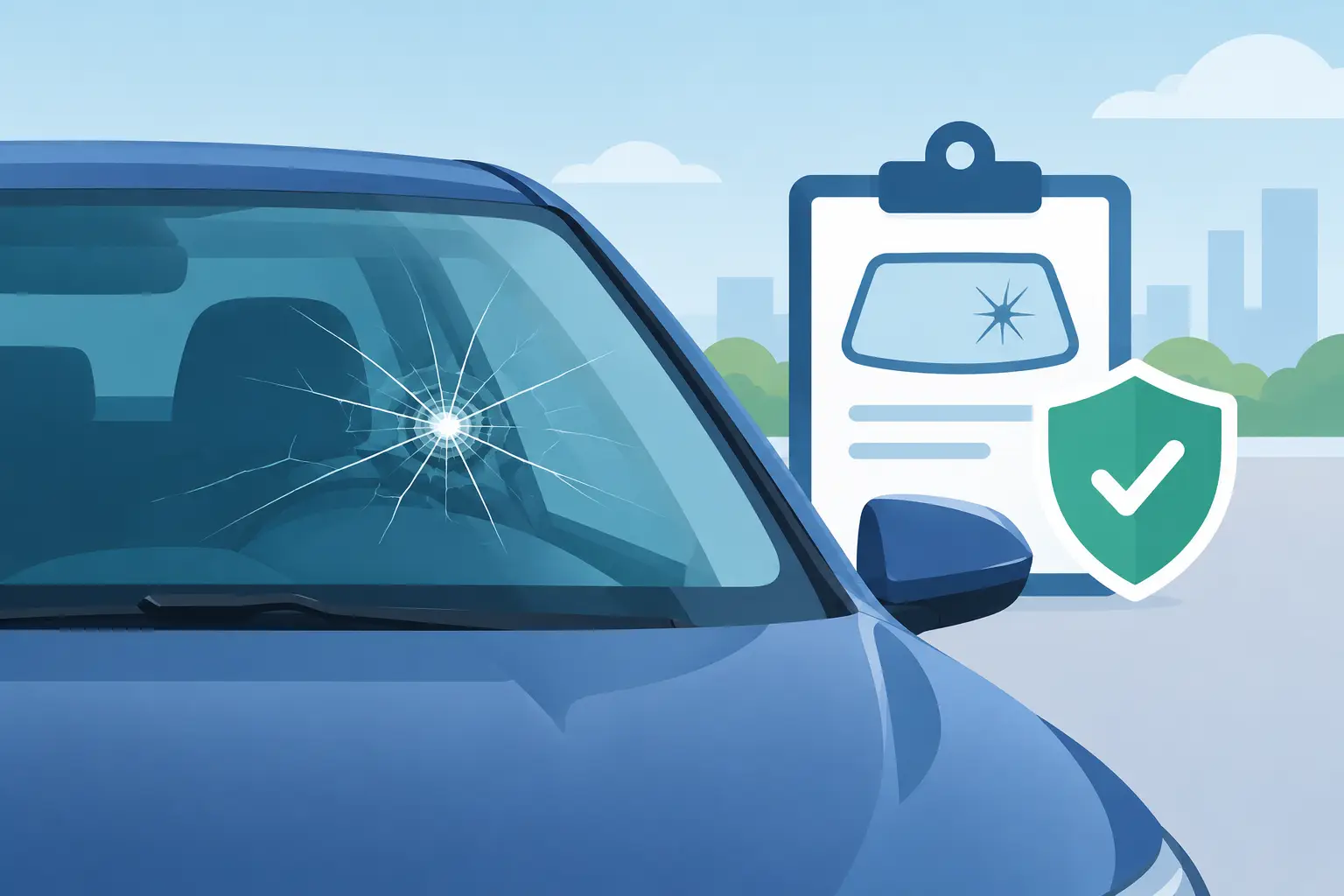
A cracked windscreen requires replacement, not a quick fix. The same applies where a side window, rear screen or tailgate glass has shattered. Modern vehicle glass is not simply a clear panel. It may contain heating elements, aerials, rain sensors, cameras, acoustic layers or privacy tinting, so the correct specification matters.
Replacement can also be necessary after an attempted break-in, even when the opening looks mostly intact. Side glass is designed to break into many small pieces, and remaining fragments in the seals, door cavity and interior need to be removed properly. Rushing this part can leave rattles, damaged trim or hidden glass around the vehicle.
Why correct fitting matters to an insurance claim
Insurers are concerned with safe, suitable reinstatement, and so should you be. A windscreen contributes to the vehicle’s body strength and supports the proper operation of some safety systems. Poor bonding, the wrong mouldings or incorrect glass can create leaks, wind noise and more serious safety concerns.
Many newer cars, vans and luxury SUVs have driver-assistance cameras mounted behind the windscreen. After replacement, those systems may need calibration, depending on the vehicle and manufacturer requirements. Ask whether calibration is required and whether it is included in the work being arranged. Do not assume every replacement has the same requirements.
For commercial vehicles, the right screen is equally important. Vans, lorries and fleet vehicles may have different glass options, heated elements, specialist fittings or larger panels that need careful handling. Downtime costs money, particularly when a tradesperson cannot carry tools securely or a delivery vehicle cannot go out on route.
Making a claim without unnecessary delays
Have your registration number, policy number, insurer details and photos ready when you call. Describe the glass involved clearly: front windscreen, rear windscreen, side window, quarter glass, tailgate or van window. Mention any sensors, heating elements or camera equipment you can see.
Be accurate about the cause of damage. A stone strike, accidental impact, theft and vandalism may each be handled differently by your insurer. Avoid guessing about facts you do not know. State what you found, when you found it and whether there is a police reference number.
If you need the vehicle for work, explain that too. A broken van side window does not just create a security problem. It can leave tools, materials and stock exposed, and may stop the vehicle being used safely. Insurers and glass providers can often advise on the quickest approved route once they understand the urgency.
Keep copies of every document, including the quote, authorisation, invoice and any payment receipt. If you pay the excess directly to the fitter, ask for that to be shown clearly. Good paperwork helps if your insurer asks questions later or if a fleet manager needs records for accounts.
Glass claims for vans, campers and commercial vehicles
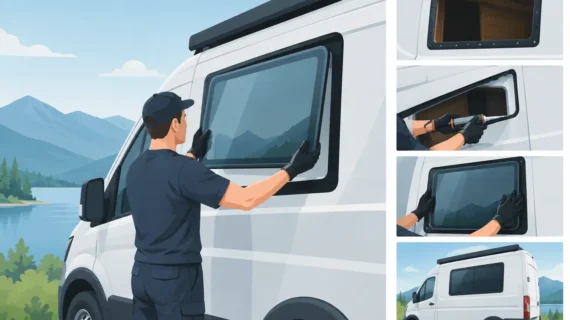
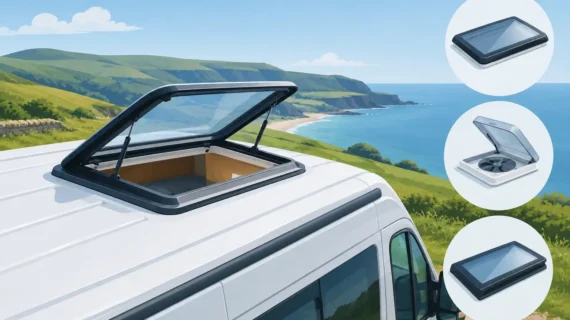
Standard motor insurance is not always enough for converted vans and campervans. Added side windows, opening windows, skylights and other conversion work can affect the vehicle’s declared specification. If a vehicle has been converted from a panel van, tell the insurer about the conversion and make sure specialist fittings are included in the policy where needed.
This is especially relevant for vehicles such as Ford Transit and Transit Custom, Mercedes Sprinter, Volkswagen Crafter, Citroen Relay, Peugeot Boxer and Fiat Ducato conversions. The right replacement is about more than filling an opening. It needs to match the vehicle, the conversion layout and the intended use.
For fleets, it is sensible to agree a simple internal process before damage happens. Drivers should know who to call, what photos to take and whether they need insurer approval. That avoids a van sitting unsecured for hours while several people try to establish responsibility.
Get clear advice before authorising the work
The best outcome is not simply getting glass fitted quickly. It is getting the correct glass, fitted properly, with the claim handled in a way that makes financial sense for your policy. Ask for the excess, approval route and likely fitting requirements to be explained in plain language.
For drivers and businesses across West London, Car Glass Service can provide a clear quote for replacement glass and arrange convenient on-site fitting where suitable. Get a free quote now, keep your insurer informed, and make safety the first decision rather than an afterthought.