Van Rear Screen Replacement: What Happens Next
A smashed rear van window is more than an inconvenience when the vehicle carries tools, stock or equipment. Broken glass can leave the load area exposed, create a security risk and stop you using the van safely. Professional van rear screen replacement gets the vehicle secure again with correctly matched glass, safe clean-up and a proper fitting at your home, depot or workplace.
For tradespeople and fleet operators, time off the road costs money. The priority is not simply fitting a new pane quickly. It is making sure the rear doors or tailgate close properly, the glass is safely bonded or sealed, and any heated screen, wiper or camera connections work as they should.
When van rear screen replacement is needed
A rear screen should be replaced if it is shattered, has a deep crack, has holes caused by impact, or is no longer securely held in place. Damage around the edge of the glass is particularly important because that is where the screen meets the frame and seal. Even if the window appears intact, a loose screen can allow water into the load area and may become unsafe while driving.
Vans are often targeted for break-ins because thieves know tools may be stored inside. If the rear glass has been smashed, avoid moving the vehicle until loose fragments have been cleared from around the doors, tailgate and road surface. Do not touch sharp glass with bare hands or force a damaged door shut. Where possible, remove valuable items, keep the van locked and arrange replacement as soon as practical.
Rear glass is also vulnerable to accidental damage. A reversing impact, falling materials, a poorly secured load or a low branch can crack or break the screen. On a working vehicle, what looks like a small issue can soon become water ingress, damaged interior trim and a van that is difficult to secure overnight.
Van rear screen replacement: what a proper fit involves
The correct process starts by identifying the vehicle and the exact rear glass required. This matters because vans can have split rear doors, a single tailgate, heated glass, dark-tinted privacy glass, openings for a wiper motor, or factory fittings for cameras and sensors. The right screen must match the shape, fixings and features of your van rather than simply fitting the opening.
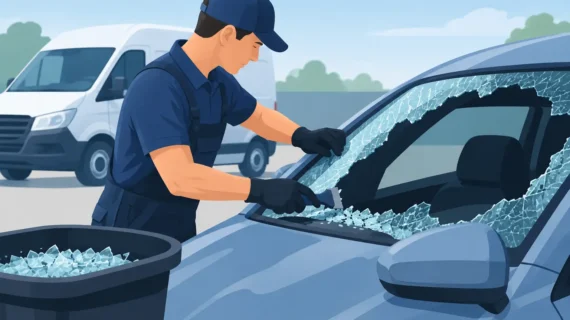
A technician should first remove loose glass and protect the paintwork and interior. This is especially important in a load area, where fragments can hide in rubber mats, door cavities and shelves. The remaining glass and old adhesive or seal are then removed carefully without damaging the aperture.
The new screen is fitted using the correct OEM-standard glass and materials for that vehicle. Depending on the model, this may involve a bonded fitting with automotive adhesive or a screen set into a rubber seal. Both methods need proper preparation. A rushed seal or poorly prepared bonding surface can lead to leaks, wind noise and movement in the glass.
Once the screen is in place, the fitter checks the alignment, door operation and any connected features. Heated rear screen terminals, wipers, reversing cameras and interior trim should be checked before the job is signed off. If adhesive has been used, follow the technician’s advice on safe drive-away time. This allows the bonding material to cure correctly and helps protect the strength of the installation.
Rear door glass, tailgate screens and conversion vans
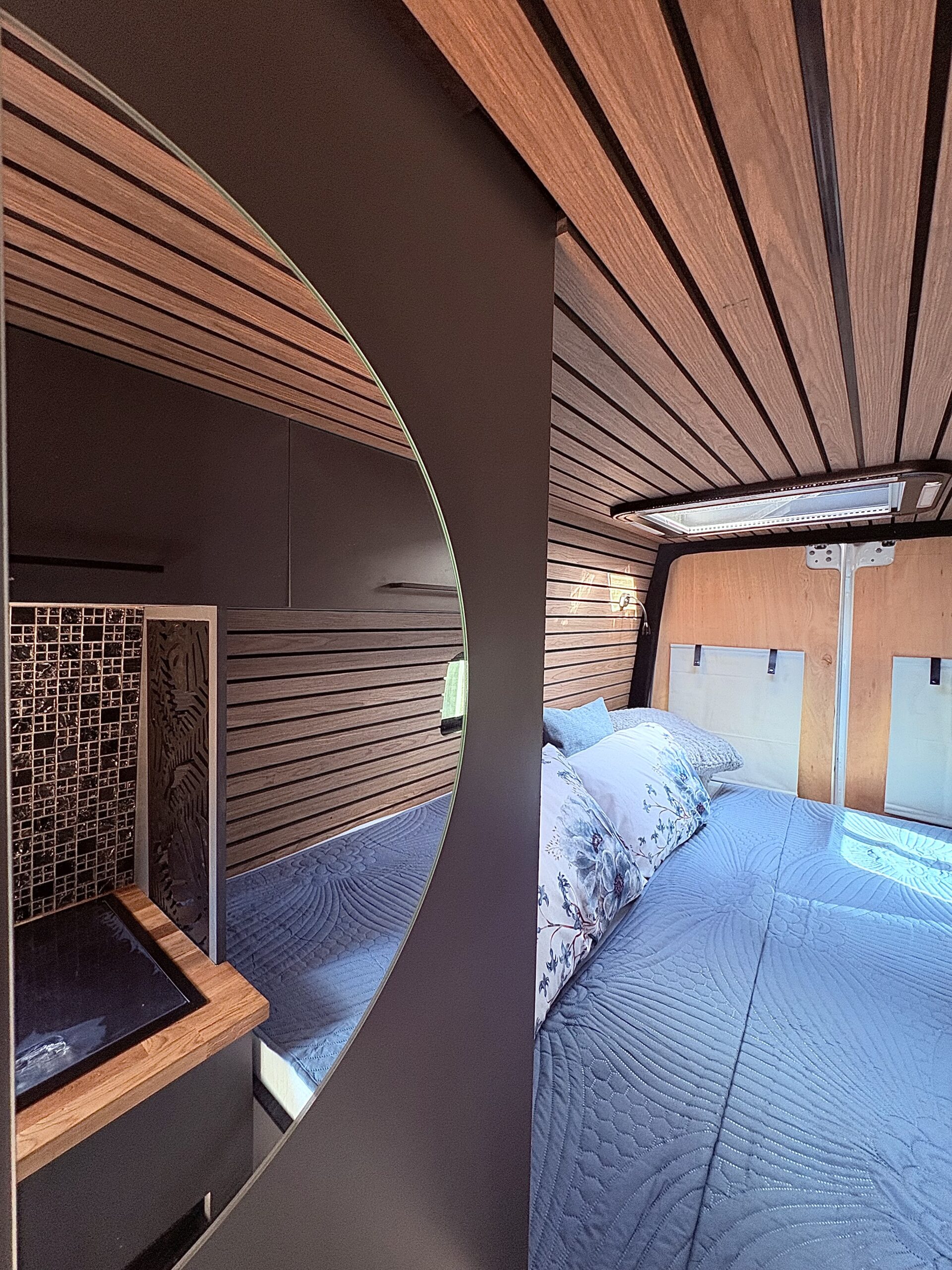
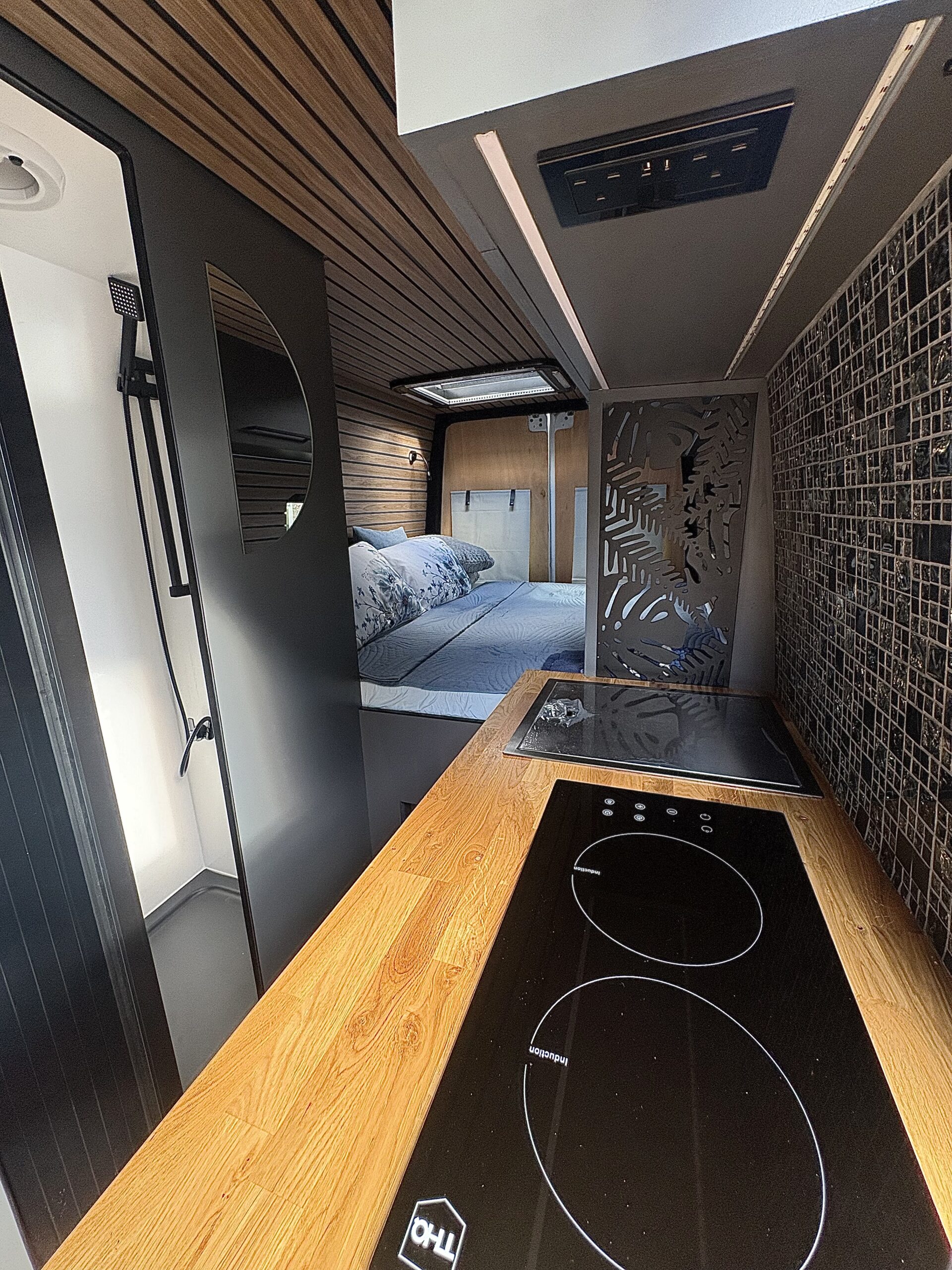
Not every van has the same rear glazing arrangement. A panel van may have one or two glazed rear-door windows. A crew van may have privacy glass and demister connections. A campervan conversion might have rear windows that form part of the finished living space, where a watertight, tidy installation is just as important as security.
The replacement approach depends on the van’s original design and how it has been converted. For example, aftermarket conversion glass may differ from factory rear glass, while a converted vehicle may have blinds, lining or furniture close to the window area. An experienced glazing specialist will assess the installation before removing the damaged glass and work carefully around the conversion finish.
If you are planning a conversion rather than dealing with damage, it is worth considering rear glazing alongside side windows, roof vents, skylights and solar panel layouts. Good visibility can make a campervan feel brighter and easier to manoeuvre, but privacy, insulation and where you place internal units also need thought. The best option depends on how you use the van.
What affects the cost and timing?
The price of a rear screen replacement varies by vehicle, glass specification and availability. A standard clear rear door window is usually more straightforward than a heated, tinted tailgate screen with electrical connections. The make and model, whether the van has one or two rear panes, and the condition of the surrounding frame can all affect the quote.
Timing also depends on whether the correct glass is in stock. Common van models can often be dealt with promptly, while specialist conversion glass or unusual privacy glass may need to be ordered. Giving the vehicle registration, make, model and a clear description of the damaged area helps a glass company identify the right part quickly. Photos can also help confirm whether the screen is in the rear door, tailgate or side panel.
Be cautious of quotes that only cover the glass itself. A proper quote should account for fitting materials, removal of broken glass, disposal and any work needed around heating elements, trims or seals. Clear pricing before work begins makes it easier to decide what is right for your vehicle.
Why mobile fitting is useful for working vans
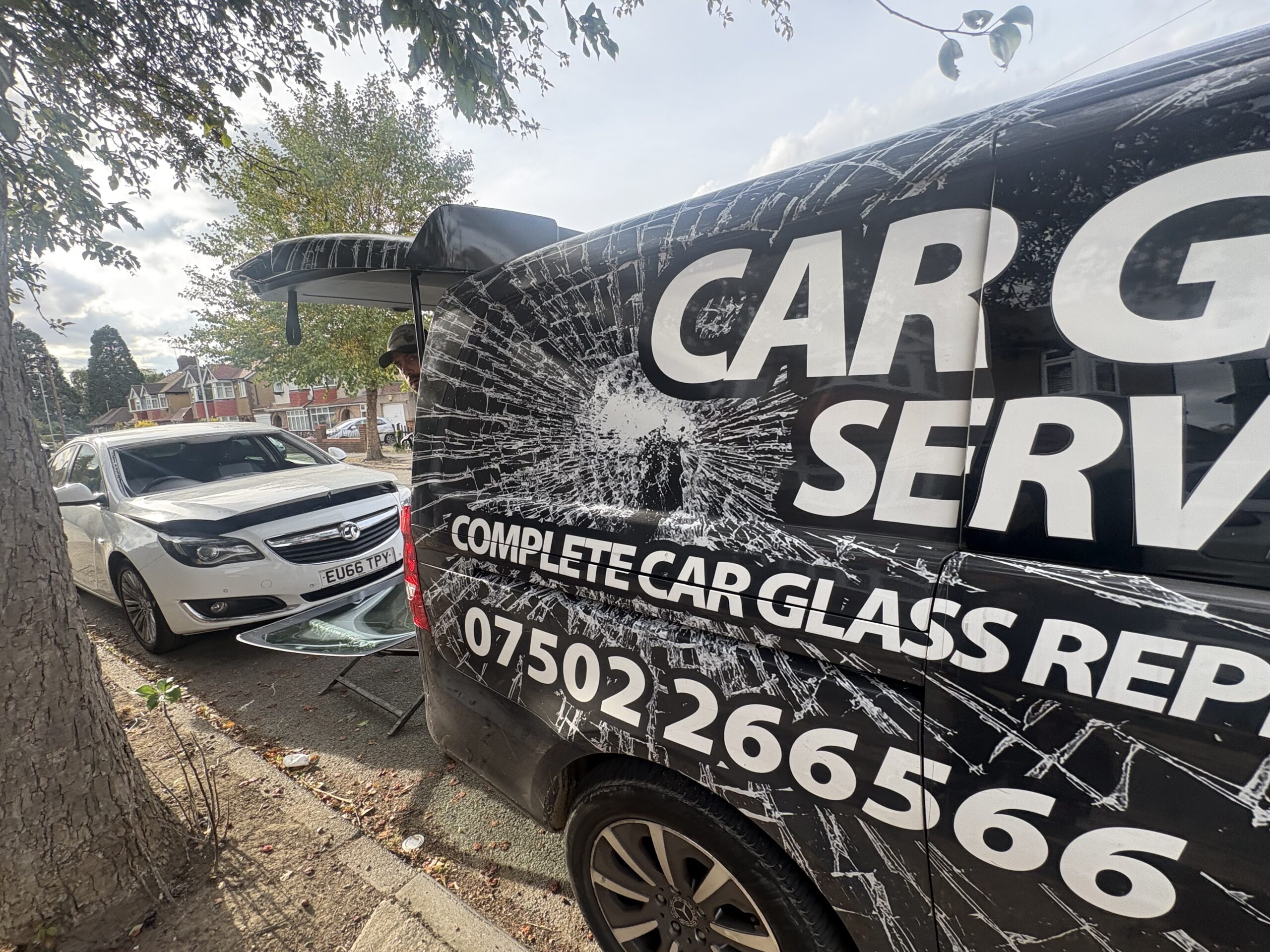
Taking a damaged van to a workshop is not always practical. It may be full of tools, parked at a job, or unsafe to drive with shattered glass. Mobile fitting means the work can be carried out at a suitable location, subject to having safe access and dry enough conditions for the job.
For customers across West London, this can mean replacement at home, at a business address or at a depot, avoiding an unnecessary journey and helping keep disruption down. Car Glass Service provides vehicle glazing with a practical focus on safe fitting, quality materials and getting customers back to work without fuss.
There are occasions when a workshop is the better option. Severe body damage around the window aperture, restricted access, poor weather or a vehicle that needs additional body repairs may mean the work should be completed under cover. A reliable technician will explain this honestly rather than attempting a fitting that could compromise the result.
After the new rear screen is fitted
Before loading the van, inspect the rear area for any remaining glass fragments and ask the fitter about aftercare. Avoid slamming rear doors or tailgates immediately after a bonded screen installation. If electrical features are fitted, check the heated screen, wiper and camera once it is safe to do so.
Over the next few days, look out for damp trim, water in the load area or unusual wind noise. These problems are uncommon with correct preparation and fitting, but reporting them early gives the installer the chance to inspect the seal. Keeping the rear glass clean also improves visibility and makes fresh damage easier to spot.
If your van has been broken into, consider whether the incident has exposed other weak points, such as insecure tool storage or poor lighting where the vehicle is parked. Replacing the glass restores the van, but sensible security measures can reduce the chance of another costly interruption.
A damaged rear screen should not leave your work, deliveries or plans on hold for longer than necessary. Get an accurate quote, choose a fitter who understands commercial vehicles, and make sure the replacement is done properly from the glass clean-up to the final safety check.