Commercial Van Glass Replacement Explained
Driving to work by your company car or van is convenient and comfortable.However In one minute the vehicle is parked on a job, outside a site, or loaded for deliveries, and the next you are dealing with shattered glass, exposed tools, weather getting in, and a van that may no longer be safe to use. That is why commercial van glass replacement matters – not just for appearance, but for security, legal compliance, and getting back to work without losing more time than necessary.
For tradespeople, couriers, fleet managers and business owners, van downtime costs money quickly. A damaged side window or cracked windscreen can delay jobs, leave equipment at risk, and create a poor impression with customers. In some cases, the damage is obvious and urgent. In others, the problem starts small and becomes more serious after vibration, road use, or a change in temperature.
When commercial van glass replacement is the right job
Not every piece of glass damage leads to replacement, but plenty of van glass faults do. If a side window has been smashed, replacement is the only sensible route. If a windscreen crack is spreading across the driver’s view, or the damage affects the structural integrity of the glass, fitting a new screen is often the safest answer.
Commercial vehicles work harder than most private cars. They spend more time on the road, carry heavier loads, and are often parked in busy urban areas where accidental damage and break-ins are more common. That means van glass tends to face more wear, more risk, and more pressure to be sorted quickly.
It also depends on the type of glass involved. A front windscreen plays a major part in visibility and body strength, especially on modern vans fitted with sensors or cameras. Side glass and rear windows matter just as much for security and weather protection, but the fitting approach may differ depending on the make, model, and body style.
The problems caused by waiting too long
Many van owners try to get through a few more days before booking the job. Sometimes that works. Often it creates a bigger issue.
A cracked windscreen can worsen with potholes, speed bumps, loading vibration, or cold mornings followed by a heated cab. A broken side window leaves the inside of the van exposed to rain, theft, and road dirt. If the van is part of a working fleet, one damaged vehicle can disrupt schedules far beyond a single booking.
There is also the safety side. Loose or damaged glass can affect visibility and driver concentration. If the glass damage is severe enough, the van may not be roadworthy. That turns a repair delay into an operational problem, especially for businesses that rely on the same vehicle every day.
What the replacement process usually involves
A proper commercial van glass replacement service should be straightforward. The first step is confirming the exact vehicle details and the damaged glass type. That sounds basic, but with vans it matters. Wheelbase, roof height, trim level, door layout and factory options can all affect the correct glass specification.
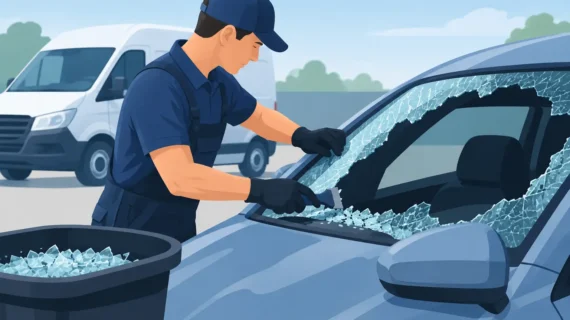
Once the right part is identified, the damaged glass is removed carefully and the surrounding frame is checked. Any remaining fragments are cleaned out properly, which is especially important after a side window smash. The replacement glass is then fitted using the correct materials and curing process for that vehicle.
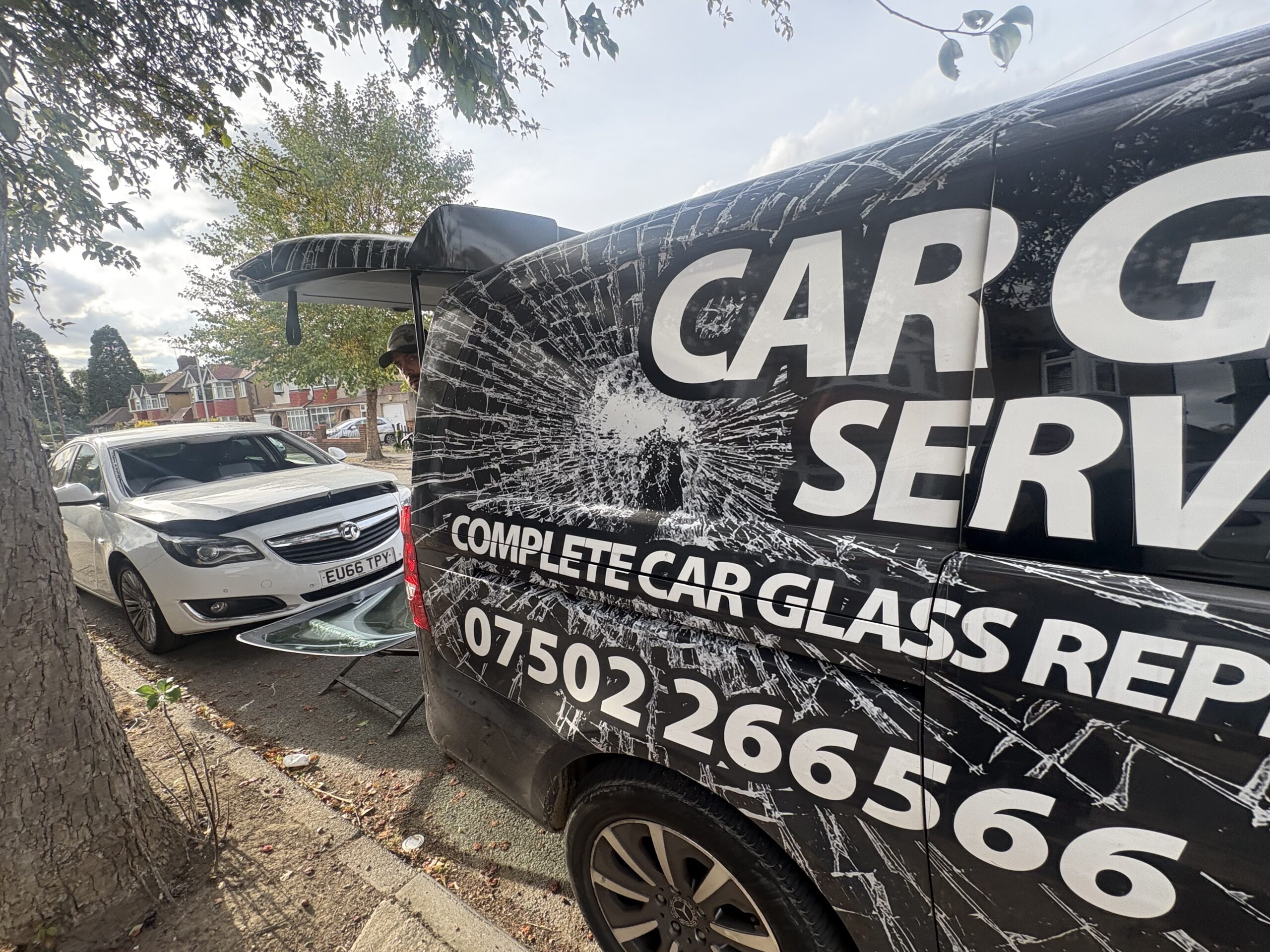
For businesses using mobile fitting, the biggest advantage is obvious. The van can often be repaired at your home, workplace, depot or roadside location, rather than losing extra time getting it into a workshop. For busy operators in West London, that can make a real difference to the working day.
Why the right glass and fitting standard matter
Glass is not just glass. On a commercial vehicle, poor-quality fitting can lead to leaks, wind noise, rattles, poor sealing, and problems with long-term durability. On windscreens, incorrect bonding can also affect safety in an accident.
That is why OEM-standard glass and proper fitting materials matter. The replacement needs to match the vehicle correctly and be installed by someone who understands commercial models, not just standard cars. Vans are used differently, loaded differently, and often driven much harder over the course of a week.
Modern vehicles can also include rain sensors, lane cameras, heated elements or antenna systems built into the glass. If your van has these features, the job needs to be handled with care. The cheapest-looking option on paper can become the expensive one if the fit is poor or the specification is wrong.
What affects the cost of commercial van glass replacement
Most customers want the same answer first – how much will it cost? The honest answer is that it depends on the van, the glass, and the level of damage.
A straightforward side window replacement on a common van is usually more predictable than a windscreen replacement on a newer vehicle with driver assistance systems. Rear door glass, bonded side glass, quarter glass and heated rear screens can all vary in price. Availability matters too. Some parts are common and quick to source, while others are more specialised.
Labour is only part of the job. The cost also reflects glass quality, adhesives, mouldings, trim removal, clean-up, and the care needed to fit it properly. For working vans, speed matters, but so does getting the vehicle sealed, safe and ready for use without repeat issues a week later.
A clear quote should tell you what is being fitted and whether the job suits mobile service or workshop handling. If anything is unclear, ask. A decent glazing specialist will give you a straight answer.
Mobile service makes more sense for working vans
For many commercial customers, mobile fitting is not just a convenience. It is the most practical option. If a van is parked at a building site, outside a customer property, on a driveway, or at a business unit, moving it elsewhere may be awkward or unsafe.
Mobile technicians can carry out many replacement jobs on site, saving the owner or driver from rearranging the whole day. This matters even more for sole traders and small businesses where one van off the road means one person not earning.
In areas across West London like Pinner,Perivale,Greenford,Harrow,Northolt,Uxbridge,Wembley,Ealing,Bracknell,Slough,Hillingdon,Hunslow,Hayes,etc traffic alone can turn a simple workshop visit into a half-day problem. On-site replacement reduces that disruption. It also means the vehicle can stay where it is needed, whether that is at home before an early start or at a depot before the next shift.
Common commercial vehicles that need glass replacement
The same issue comes up across all sorts of vans. Small city vans, long wheelbase panel vans, crew vans, welfare vehicles and converted campervans all suffer glass damage.Mercedes Sprinter,Mercedes Vito,Mercedes Citan,Mercedes Viano,Mercedes V-class,Fiat Ducato,Fiat Doblo,Ford Connect,Ford Custom,Ford Transit,Vw caddy,Vw Transporter,Vw Buzz,Vw crafter,Vauxhall Vivaro,Vauxhall combo,Vauxhall Movano,Peugeot Partner ,Peugeot Boxer,Citroen Relay,Citroen Berlingo,Iveco Dally etc Trades vans are especially vulnerable because they are often left with tools inside and parked in public areas.
Fleet vehicles face a different pressure. Even minor damage can become an admin problem across multiple drivers and routes, so a fast and reliable booking process matters just as much as the fitting itself. Body shops and trade customers usually need a glazing partner who can work without fuss and keep jobs moving.
That is one reason experienced local specialists are often the better fit for this kind of work. Car Glass Service, for example, focuses on fast-response glazing with supply and fitting for both private and trade customers, which suits the way vans are actually used day to day.
Choosing the right company for the job
When you book commercial van glass replacement, speed is important, but it should not be the only thing you look at. Ask whether they work regularly on vans, whether they use OEM-standard materials, and whether they can fit at your location if needed.
You also want a company that understands urgency without cutting corners. Broken glass should be cleaned up properly. The correct part should be confirmed before fitting. The vehicle should be left secure, weather-tight and safe to return to service.
For business owners, communication matters as well. You do not need a long sales pitch. You need to know when the technician can attend, how long the job is likely to take, and what the quote includes.
A good service feels practical from the first phone call. Straight answers, realistic timescales and proper workmanship usually tell you more than flashy promises.
When your van is part of your income, damaged glass is never just a minor inconvenience. It affects security, scheduling and safety all at once. The right response is simple – get it assessed quickly, get the correct glass fitted properly, and get the vehicle back where it belongs, on the road and ready for work.