Van Window Legal Requirements for UK Owners
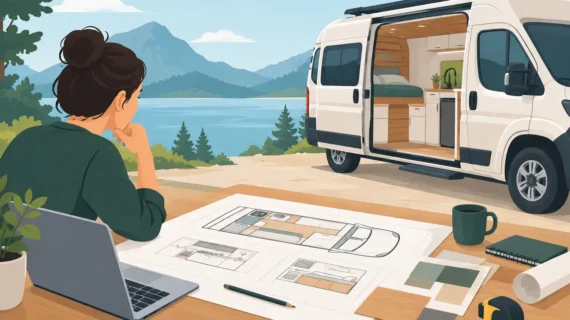
A new side or rear window can make a working van brighter, safer to manoeuvre and far more practical for a camper conversion. But van window legal requirements are not just about cutting a neat hole in the panel. The glass, its position, the fitting method and any change to the vehicle’s use all need proper attention before the van goes back on the road.
For most privately owned vans in the UK, adding a window does not mean applying for individual approval. However, the vehicle must remain safe, roadworthy and compliant with the relevant glazing and visibility rules. A poor-quality installation can create problems at MOT time, with insurance, or simply when the van is being used every day.
What the law expects from van windows
UK road rules are concerned with safety rather than style. Any replacement or added glazing should be suitable for use in a motor vehicle, securely fitted and free from dangerous defects. That means no loose glass, exposed sharp edges, poor sealing or panels that obstruct the driver’s view.
The window must also be the right type of safety glass for its location. Automotive glass is manufactured to withstand impact differently from ordinary household glass. Side and rear van windows are commonly toughened glass, although laminated glass may be used in certain applications. A reputable installer will use vehicle-grade, approved glass and the correct bonding materials rather than adapting unsuitable glazing.
Look for recognised approval markings on the glass, usually an E-mark or e-mark. These markings indicate that the glass has been tested to an accepted vehicle glazing standard. This matters particularly where a van is used commercially, carries passengers or is part of a fleet, as operators have a clear duty to keep vehicles safe and roadworthy.
The importance of proper fitting
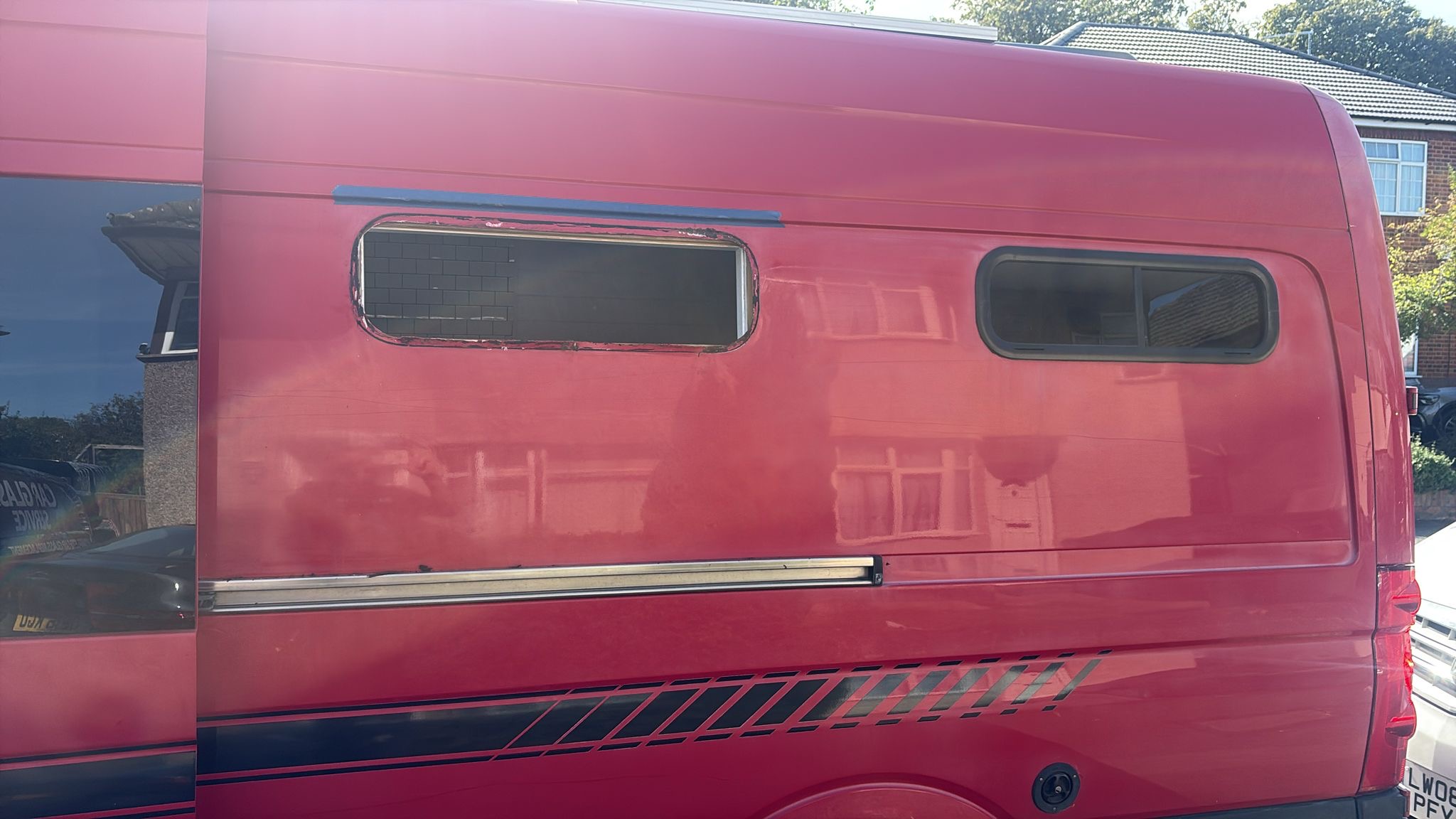
Even approved glass can become unsafe if it is fitted badly. The cut aperture must be correctly prepared, treated against corrosion and finished cleanly. The glass needs to sit evenly in the opening, with the correct primer, adhesive and curing process where bonded fitting is required.
A window that leaks may seem like a minor annoyance at first. Over time, water can get behind trims and into body seams, causing rust, mould, electrical faults and damage to a campervan interior. A window that is not securely bonded is a more serious risk, particularly in an accident or at motorway speeds.
Do not drive the van until any adhesive has had the required safe drive-away time. This varies with the product used, the temperature and humidity, so the installer should give clear guidance before leaving the vehicle with you.
Visibility rules and tinted van glass
The location of a window makes a difference. Glass in the driver’s forward field of view is subject to tighter rules than glass behind the driver.
The windscreen and front side windows must allow at least 70% of light through. This includes the glass itself and any film applied to it. Dark tint film on front side windows may look smart, but it can make the van illegal to use on the road if it takes the light transmission below the required level. Police can issue a prohibition notice for excessively tinted front glazing, meaning the van may not be driven until the issue is put right.
Rear side windows and rear screens do not have the same 70% light transmission requirement. They can usually be tinted more heavily, which is one reason privacy glass is popular for tool vans and camper conversions. The trade-off is visibility. If rear glass is dark, obscured by storage or covered internally, the van still needs a safe view behind through correctly positioned exterior mirrors.
Many panel vans leave the factory without a rear window and rely on the two door mirrors. That arrangement can remain acceptable after conversion, provided the required mirrors are present, secure and give the driver a proper rearward view. Do not remove or compromise mirrors simply because a rear window has been added.
Avoid obstructions in the driver’s view
A newly fitted side window should not create reflections, loose blinds or internal fittings that distract the driver. Campervan owners should take extra care with curtains, magnetic covers, cupboards and roof-mounted items. They may be useful when parked, but they must be secured before travelling.
The same applies to stickers and promotional graphics. A small security label is unlikely to cause an issue, while large graphics across front side windows can reduce visibility and attract unwanted attention at an inspection.
Does adding windows affect the MOT?
An MOT is not a full inspection of every aspect of a conversion, and a pass does not prove that all modification work has been carried out correctly. It does, however, check important safety points that can be affected by vehicle glazing.
The tester will assess the windscreen for damage in critical areas, the driver’s view of the road, and the condition and operation of relevant wipers and washers. Mirrors must be present where required and in a usable condition. A damaged, insecure or dangerously sharp window installation can also raise roadworthiness concerns.
Rear and side windows are not examined in the same way as the windscreen, but that is not a reason to cut corners. A leaking window, rusty aperture or loose trim can develop into a fault that affects the vehicle’s condition. It can also lower the value of the van when it is time to sell.
If your van has been converted to carry additional passengers, there are further considerations beyond the glass itself. Seating, seatbelts, anchorage points and access arrangements must be suitable. A window installation should be planned around the whole layout, not treated as a separate cosmetic job.
Do you need to tell DVLA or your insurer?
Adding a side or rear window alone does not automatically mean you need to change the vehicle’s details with DVLA. The position can be different if the work forms part of a wider conversion that changes the vehicle’s body type, taxation class, number of seats or use.
For example, changing a panel van into a motor caravan may require you to update DVLA if the details shown on the V5C are no longer accurate. DVLA has its own criteria for recording a vehicle as a motor caravan, and not every van with a bed and a window will meet them. Keep photographs, invoices and a clear record of the conversion work in case they are needed.
Insurance is more straightforward: tell your insurer before or as soon as the windows are fitted. Added glazing, tinting, a camper interior, solar panels and changes to seating can all count as modifications under an insurance policy. Declaring the work protects you if you need to make a claim after theft, accidental damage or a collision.
For trade vans and fleet vehicles, speak to the fleet manager or insurer before work starts. Branded vehicles, leased vans and company-owned vehicles may have additional approval requirements set by the owner or lease provider.
When a professional installation is the sensible option
There is a big difference between a factory-style bonded window and a DIY cut-out finished with a universal seal. Modern vans have curved panels, hidden wiring, structural members and often trim systems that make accurate fitting more involved than it first appears.
A professional fitter can check the correct window size and position for the model, assess what is behind the panel and ensure the aperture is treated against corrosion. They can also advise whether privacy glass, opening windows or fixed glass best suits the van’s use. Opening units are useful for ventilation in a camper, while fixed privacy glass can be the better choice for a secure work van.
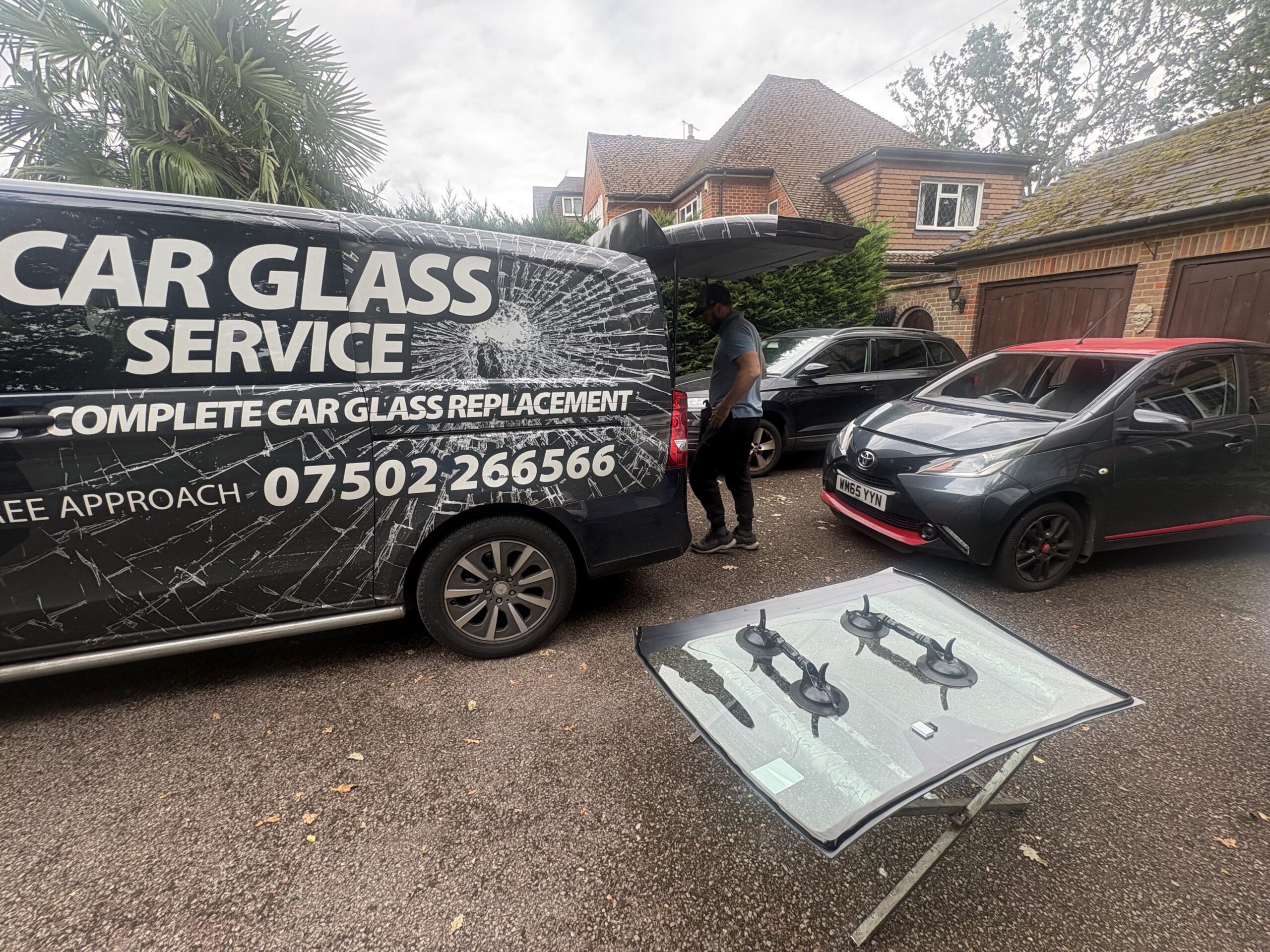
For owners across West London, Car Glass Service can supply and fit vehicle-grade van and conversion glass at your location, helping avoid unnecessary downtime and workshop visits. The right window should look like it belongs on the van, keep the weather out and leave you confident that the vehicle remains safe to use.
Before booking the work, decide how the van will be used once it is finished. A window that suits a weekend camper may not suit a tool-filled trade vehicle, and a dark rear conversion glass may need better exterior mirror coverage. Getting those details right before the panel is cut is the simplest way to enjoy the extra light without creating a legal or practical problem later.