Are Aftermarket Windscreens Safe? What Matters
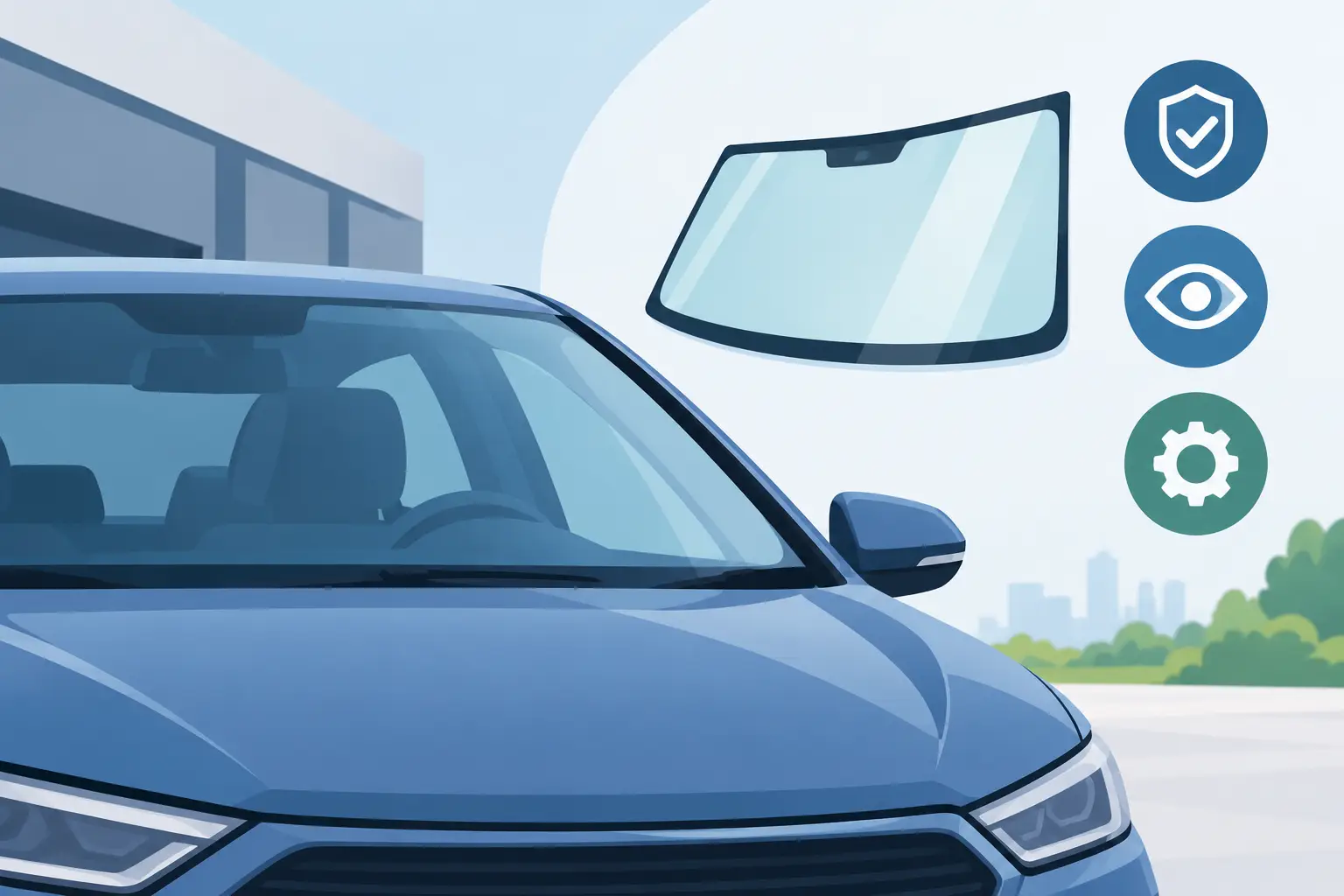
A windscreen is not just a sheet of glass that keeps rain and wind out. It supports the roof structure, helps airbags work as intended and provides a clear view of the road. So, are aftermarket windscreens safe? Yes, they can be, provided the correct approved glass is selected and fitted properly by an experienced technician.
The word “aftermarket” can make drivers think the glass is automatically lower quality than original equipment. That is not always true. The real safety issue is whether the windscreen meets the required standards, matches your vehicle’s specification and is bonded correctly. A poor fitting or the wrong type of glass can create problems, whatever name is printed on it.
What is an aftermarket windscreen?
An aftermarket windscreen is made by a manufacturer other than the vehicle maker’s nominated original supplier. It is produced to fit a specific make, model and year range, often by a specialist automotive glass manufacturer.
Original equipment glass, often called OEM glass, may carry the vehicle manufacturer’s badge. Aftermarket glass may not carry that badge, but it can still be made to the same relevant safety standard. The difference is often branding, supply route and price rather than basic road safety.
For many drivers, an approved aftermarket screen is a sensible choice. For others, particularly owners of newer prestige vehicles or vehicles with complex driver-assistance systems, OEM glass may be preferred or required by an insurer or manufacturer warranty terms. The right answer depends on the vehicle and its equipment.
Are aftermarket windscreens safe when properly fitted?
A safe replacement windscreen must meet recognised automotive glazing standards. In the UK, look for the appropriate E-mark approval on the glass. This mark shows that the glazing has been tested to the relevant European safety requirements, including impact resistance, light transmission and fracture behaviour.
A quality aftermarket windscreen should also be the exact specification for the vehicle. That means more than matching the shape and size. The screen may need the correct tint band, acoustic layer, heating elements, rain sensor mount, camera bracket, aerial connections or heads-up display compatibility.
The fitting is equally important. A windscreen is bonded into the vehicle body using specialist adhesive. This bond forms part of the vehicle’s safety structure. If the aperture is not prepared correctly, the wrong adhesive is used, or the curing time is ignored, the screen may not perform as it should in a collision.
A professional fitter checks the glass specification before installation, removes old adhesive safely, prepares the frame, applies the correct primer where needed and uses approved windscreen bonding materials. They will also advise when the vehicle can be driven after fitting. Do not assume it is safe to leave immediately just because the glass is in place.
Why the windscreen bond matters in a collision
On many modern vehicles, the windscreen contributes to roof strength. It can also support the passenger airbag as it deploys. If the glass is poorly bonded, it may detach or move under force, reducing the protection designed into the vehicle.
This is why fitting quality matters far more than a badge on the corner of the glass. Good materials and careful workmanship are not optional extras. They are part of a safe replacement.
OEM versus aftermarket glass: the practical differences
OEM and aftermarket windscreens are not automatically equal in every respect, but neither is one automatically unsafe. The key is choosing the correct option for the job.
OEM glass is supplied through the vehicle manufacturer’s approved channels and usually includes the same markings and branding fitted when the vehicle was built. It can be the best option where a particular model has sensitive camera systems, a heated screen, unusual acoustic requirements or manufacturer-specific features.
Approved aftermarket glass is commonly used across cars, vans and commercial vehicles. It can provide an excellent fit and safe performance where it matches the vehicle’s technical specification. It is also widely used by insurers and professional glazing companies.
Very low-quality, unapproved glass is different. Problems can include optical distortion, poor edge finishing, incorrect sensor positioning or a poor fit. A distorted windscreen can make driving tiring and unsafe, especially at night or in wet conditions. If a quote seems unusually low, ask what glass will be fitted and whether it carries the required approval marking.
ADAS calibration cannot be skipped
Many newer cars use a camera mounted behind the windscreen. This camera may control or assist features such as lane departure warning, lane keeping assistance, automatic emergency braking, traffic sign recognition and adaptive cruise functions.
When a windscreen with a forward-facing camera is replaced, calibration may be needed. Even a small change in the camera’s position or the screen’s optical properties can affect how the system reads the road. Fitting a screen without arranging the required calibration can leave warning systems inaccurate or unavailable.
There are two main types of calibration. Static calibration is carried out with targets and diagnostic equipment in a controlled setting. Dynamic calibration is completed while the vehicle is driven under specific road conditions. Some vehicles require one method, while others need both.
Before accepting a replacement, ask whether your vehicle has ADAS equipment and whether calibration is included or needed afterwards. A proper technician will check this rather than treating every windscreen as a basic fitting job.
How to choose safe replacement glass
You do not need to become a glass expert before booking a replacement, but a few direct questions can prevent the wrong screen being fitted. Confirm that the replacement is approved automotive safety glass and ask whether it is OEM or aftermarket. Make sure the fitter has your registration number, vehicle identification details where necessary and a clear description of any features in the screen.
Tell them if you have a camera near the rear-view mirror, heated glass, rain-sensing wipers, a tinted upper band, heated wiper park area, a heads-up display or an aerial built into the windscreen. These details affect which glass is suitable.
Also ask about the adhesive curing time and whether camera calibration is required. A professional service should be clear about what is being fitted, what work is included and when your vehicle is ready to return to the road.
For vans and commercial vehicles, the same standards apply. A busy work van needs a screen that fits correctly, gives clear visibility and is fitted without cutting corners. Downtime costs money, but rushing a safety-critical installation is not a saving.
Will an aftermarket windscreen affect the MOT or insurance?
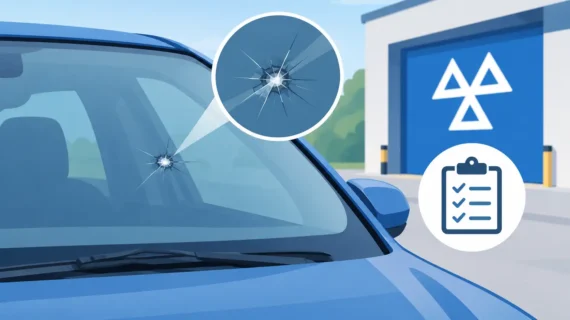
An approved, correctly fitted aftermarket windscreen should not fail an MOT simply because it is aftermarket. The MOT concern is condition and visibility. Significant damage in the driver’s direct view, serious scratches, poor visibility or insecure fitting can all cause issues.
Insurance policies vary. Many insurers allow approved aftermarket glass as part of a replacement claim, while some policies specify OEM glass for certain vehicles or circumstances. If OEM glass matters to you, check the policy wording before authorising the work. It is better to establish this at the start than be surprised after the screen has been ordered.
A replacement should also leave all functions working properly. Check the rain sensor, camera warnings, heated elements, demister performance and any aerial reception after the job. If anything is not right, report it promptly.
Warning signs after a windscreen replacement
A new screen should sit evenly within the frame, with neat trim and no visible gaps. There should be no wind noise, water leaks or movement around the glass. The view through it should be clear, without ripples or distortion.
If you notice water entering the cabin, a whistling noise at speed, loose trim, warning lights, camera faults or a sensor that no longer works, do not ignore it. Contact the fitter and have the issue checked. These faults do not always mean the glass itself is poor, but they do need proper attention.
For drivers in West London who need a replacement at home, work or the roadside, Car Glass Service can check the specification, fit quality replacement glass and advise on the right next step for the vehicle. The aim is simple: get the vehicle safe, secure and back in use without unnecessary delay.
The safest choice is not decided by whether the glass says OEM or aftermarket. It is decided by approved glass, the right specification, correct bonding and any calibration your vehicle requires. Ask those questions before the work begins, and you can drive away with confidence.