Does Insurance Cover Vandalised Glass Damage?
A smashed car window is more than an inconvenience. It can leave your vehicle exposed, unsafe to drive and full of loose glass. So, does insurance cover vandalised glass? Often, yes – but the answer depends on the type of policy you hold, which glass has been damaged and the terms of your insurer’s claim process.
For drivers, van owners and fleet operators, the priority is getting the vehicle secure without making an avoidable mistake with the claim. Here is what to check before arranging replacement glass.
Does Insurance Cover Vandalised Glass Under UK Policies?
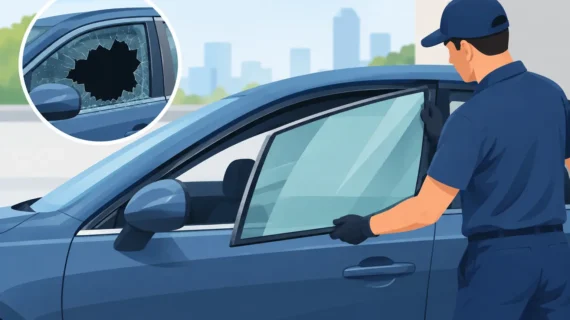
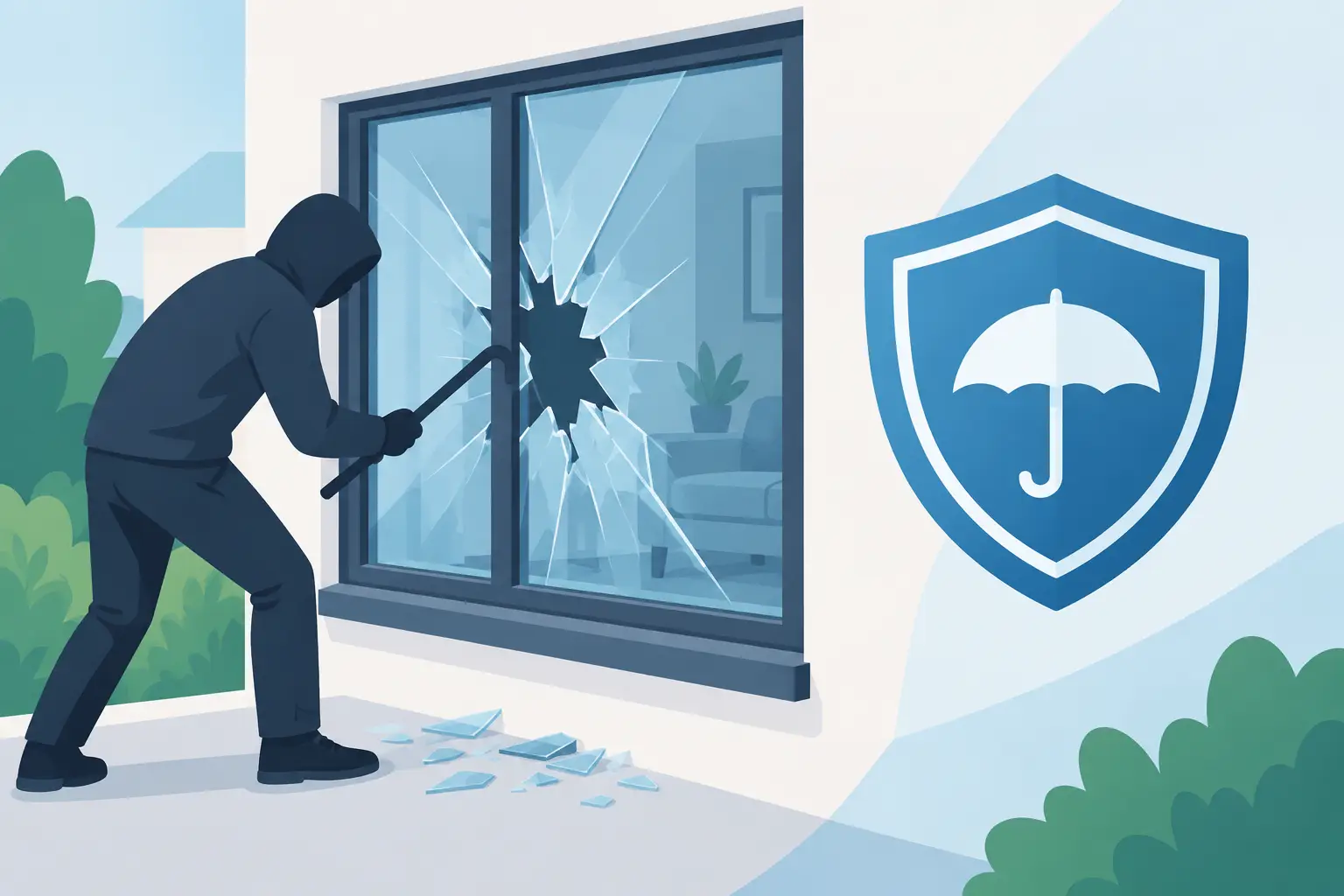
Most comprehensive motor insurance policies cover malicious damage and vandalism. If someone has deliberately smashed a side window, rear screen, windscreen or glass tailgate, your insurer may pay towards the replacement, subject to your policy excess and conditions.
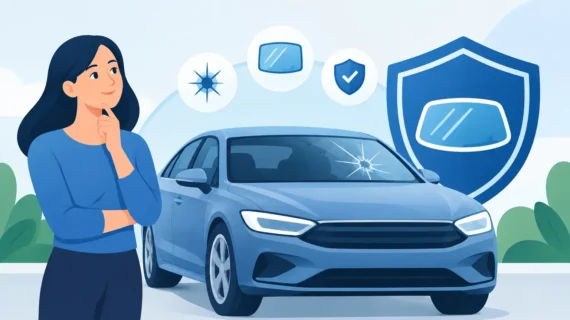
However, vandalised glass is not always handled under the separate windscreen cover section of a policy. Windscreen cover commonly applies to a damaged windscreen, rear screen or sometimes side glass, but insurers vary. A smashed side window caused by a break-in may instead be treated as a vandalism or malicious-damage claim under the main body of your comprehensive policy.
That difference matters. A windscreen claim may have a lower fixed excess and may not affect your no-claims discount. A malicious-damage claim can carry your standard policy excess and could affect your no-claims discount, unless it is protected or your insurer recovers its costs.
Third-party only insurance will not cover damage to your own vehicle. Third-party, fire and theft policies may cover broken glass where it happened during an attempted theft or theft, but they do not usually cover vandalism on its own. Never assume the policy type from its name – check your certificate and policy wording, or call the insurer directly.
The Type of Glass Can Change the Claim Route
Insurers usually make a distinction between windscreen damage and other vehicle glass. A windscreen may be covered through a dedicated glass claim arrangement, while a smashed door window, quarter glass or rear screen may need to go through the main claims line.
Modern vehicle glass is not all the same. A heated rear screen, rain sensor windscreen, camera-equipped windscreen or privacy glass can cost more to replace than standard clear side glass. Vans and commercial vehicles can also need specialist parts, particularly where the damaged glass is in a sliding door, bulkhead, tailgate or high-roof rear door.
Replacement of an ADAS-equipped windscreen may require camera recalibration after fitting. This is a safety requirement, not an optional extra, where the vehicle’s system calls for it. Ask both the insurer and glass provider whether recalibration is included in the approved work and whether there will be an additional charge.
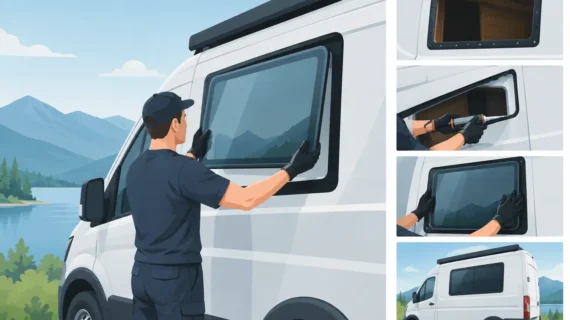
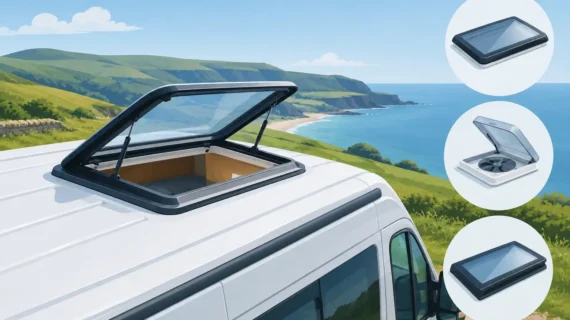
For campervans and converted vans, glass fitted as part of a conversion can require closer checking. Factory-fitted glass is generally more straightforward to insure. Aftermarket fixed or opening side windows, roof lights and other conversion work may need to be declared separately on the policy. If vandalism has damaged a conversion window, provide the insurer with the details of the work and any invoices you have.
What to Do Straight After a Window Is Smashed
First, avoid touching loose shards or driving if visibility is affected. A broken side window leaves sharp glass around the door frame, seats and floor, while a shattered rear screen can obstruct your view completely. Keep children and pets away from the vehicle until it has been made safe.
If belongings have been stolen or there are signs of an attempted break-in, report the incident to the police through the appropriate non-emergency route. Your insurer may ask for a crime reference number, particularly if there is theft or clear criminal damage. Take photos before clearing anything away where it is safe to do so. Capture the broken glass, the surrounding damage, the vehicle registration and any missing or damaged property.
Then contact your insurer or check its claims instructions. Ask three clear questions: whether the incident is covered, which excess applies, and whether you must use an approved glass company. Some insurers allow you to choose your own fitter but only pay a set contribution. Others require an approved provider for full cover.
Do not leave the vehicle open overnight if it can be avoided. Rain, theft and interior damage can turn one broken window into a larger bill. If the car or van is parked at home, at work or on a site, ask a specialist about safe temporary protection and the earliest available replacement appointment.
Excess, No-Claims Discount and the Cost of Claiming
The excess is the amount you pay towards an insured claim. For example, if replacement costs £400 and your applicable excess is £150, the insurer may pay the remaining £250. A separate glass excess can be lower than your standard accidental-damage excess, but this is not guaranteed for vandalism claims.
Before making a claim, compare the excess with the quoted cost of replacement. If the gap is small, paying privately may be more practical, especially if a claim could affect your future premium. This is a personal decision, and your insurer can explain how it records the incident, but it is sensible to get the facts before authorising work.
A claim for malicious damage may be recorded even when you are clearly not at fault. Protected no-claims discount can limit the impact on your discount, but it does not always stop the overall renewal price from changing. Insurance pricing takes several factors into account, including the type of claim and local risk.
Be honest about the circumstances. Calling a vandalism incident an accident, or failing to mention an attempted theft, can cause problems later. Give the insurer a simple account of what you found, when you found it and any evidence available.
Choosing a Safe Replacement Service
Glass replacement is not simply a matter of fitting a pane and sweeping up. Correctly fitted automotive glass protects occupants, keeps weather out and supports visibility. On a windscreen, poor fitting can also affect the performance of safety systems and the vehicle structure.
Choose a provider that can identify the exact glass specification for your vehicle. That includes the correct tint, heating elements, antenna connections, sensors and camera requirements where applicable. For vans, lorries and commercial vehicles, confirm that the fitter has experience with the body style and can work around shelves, racking, rear doors or site access.
A proper service should remove broken glass from the practical areas of the vehicle, inspect the frame and seals, fit suitable-quality glass and make sure the vehicle is safe before handing it back. If the replacement is being claimed through insurance, keep the invoice and any job paperwork even if the insurer settles directly.
Car Glass Service provides on-site vehicle glass replacement across West London for cars, vans and commercial vehicles, helping customers secure their vehicle without an unnecessary trip to a workshop.
Questions to Ask Your Insurer Before Booking
It is worth having your policy number to hand and asking whether the damage is being logged as a windscreen claim, vandalism claim or theft-related claim. Confirm the excess, whether your no-claims discount could be affected and whether there is a limit on the glass provider you use.
Also ask whether the insurer needs photos, a police reference number or an estimate before work starts. If your vehicle has a camera behind the windscreen, check whether recalibration is approved. For a van conversion, explain that the damaged unit is an aftermarket conversion window rather than a standard factory panel.
Write down the claim reference number and the name of the person you spoke to. It takes a minute and can save a great deal of back-and-forth if the insurer, fitter and policyholder need to confirm approval later.
Do Not Put Off a Broken Vehicle Window
Whether you claim or pay privately, a vandalised window should be dealt with promptly. Water can damage door electrics and interiors, loose glass can cause injury, and an open vehicle is an easy target for further theft. If the windscreen or rear screen affects your view, the vehicle may not be legal or safe to use.
The best next step is simple: confirm your cover, understand the excess, and arrange professional replacement glass that matches your vehicle properly. Acting quickly protects the vehicle now and gives you a clearer, easier insurance conversation afterwards.