A Guide to Vehicle Glass Insurance in London
A smashed side window outside your home, a stone chip picked up on the A40, or damage found before a day’s work can leave you needing answers quickly. This guide to vehicle glass insurance explains what cover may include, what you may need to pay, and how to deal with a claim without holding up your day.
Vehicle glass claims are often more straightforward than accident claims, but the details still matter. Your level of cover, excess, insurer rules and the type of glass damage can all affect the outcome. Knowing what to check before you call helps you make a sensible decision and get your vehicle secure again.
What vehicle glass insurance usually covers
Windscreen and vehicle glass cover is commonly included with comprehensive motor insurance. Depending on your policy, it may cover damage to the windscreen, rear screen, side windows, quarter glass and, on some vehicles, panoramic roof glass. Cover can apply whether the damage comes from road debris, vandalism, an attempted break-in, a falling object or an accident.
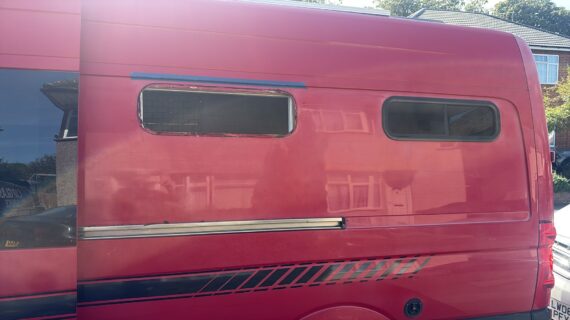
Policies differ, so do not assume every glass item is automatically included. A standard windscreen claim may be handled separately from a claim for a smashed door window. Glass in a converted van, campervan roof skylight or aftermarket installation may need to be declared on the policy before it is covered. The same applies to specialist privacy glass, heated rear screens and certain luxury vehicle glass.
Third-party-only policies do not normally include glass cover. Third-party, fire and theft policies may provide cover where glass damage happens during a theft or attempted theft, but this is not guaranteed. The policy wording is the final answer, so check it or speak directly with your insurer.
Repair or replacement: why the difference matters
Insurers usually prefer a repair where it is safe and suitable. A small chip can often be treated before it spreads, saving time and reducing the need for a full screen replacement. It is normally the lower-cost option for an insurer and may carry no excess on many policies.
Replacement is necessary when the damage affects the driver’s view, reaches the edge of the glass, is too large, has spread, or compromises the strength of the screen. A damaged side window or rear screen will usually need replacing rather than repairing, particularly after a break-in. Loose glass also needs clearing properly before the vehicle is used.
Modern windscreens do more than keep out the weather. They can support cameras and sensors used for driver-assistance systems, including lane support, automatic emergency braking and traffic-sign recognition. If a windscreen with a forward-facing camera is replaced, calibration may be required. Ask whether this is included in the quote and whether it is recognised by your insurer.
Understanding your glass excess
The excess is the amount you agree to contribute towards a claim. Most policies have a separate glass excess, which is often lower than the excess for an accident claim. For example, your policy may state one excess for a glass repair and a higher one for glass replacement.
Before authorising work, ask your insurer or the glass company to confirm four things: whether your policy covers the damage, the excess you will pay, whether there is a claim limit, and whether you can choose your own fitter. This takes only a few minutes and prevents unexpected costs afterwards.
Some insurers use approved repair networks. You may still be allowed to use an independent specialist, but the insurer may set a contribution limit or ask you to pay first and reclaim the cost. There is no single rule. If quick local attendance is essential, especially after a break-in, check this point before booking.
Will a glass claim affect your no-claims bonus?
Often, a windscreen or vehicle glass claim does not affect your no-claims bonus. However, that does not mean it can never affect your policy. Insurers have different terms, and a claim may still be recorded on your insurance history or influence renewal pricing in some circumstances.
The practical approach is simple: ask the question clearly before proceeding. Say, “Will this glass claim affect my no-claims discount or renewal premium?” Keep a note of the answer, along with your claim reference number. It is worth doing even when the damage seems minor.
How to make a vehicle glass insurance claim
Start by making the vehicle safe. If there is broken glass inside the car or van, avoid touching sharp pieces and keep children or passengers away from the area. If the window is missing, protect the interior from rain where possible and remove valuables from view. Do not drive if visibility is unsafe or glass is loose.
Next, take clear photographs of the damage from inside and outside the vehicle. Note the vehicle registration, make, model and exact location of the damage. If the incident involved vandalism or theft, report it to the police when required by your insurer and obtain the crime reference number.
You can then contact your insurer, broker or an automotive glazing specialist. Have your policy number ready if you have it, but do not delay getting advice simply because you cannot find the paperwork. A professional fitter can usually identify the glass required from the registration and vehicle details, then explain the likely repair or replacement process.
For a smooth claim, keep the following information available:
- Your registration number, insurer name and policy number
- Photographs showing the damage and any broken glass
- The incident date, location and a brief explanation of what happened
- A crime reference number if theft or vandalism was involved
- Details of cameras, sensors, heated glass or other specialist features
Choosing the right glass fitting service
Insurance approval matters, but so does the quality of the work. Poor fitting can lead to wind noise, water leaks, trim damage, sensor faults or problems with visibility. The glass itself should meet the correct standard for your vehicle, and the fitting materials must be suitable for safe bonding.
Ask what glass will be supplied and whether it meets OEM-standard specifications. OEM-standard means it is made to the required quality and safety standards for the vehicle, though it may not always carry the vehicle manufacturer’s badge. For some vehicles and policies, branded manufacturer glass may be required or preferred. The choice can affect cost, availability and claim approval.
For vans, commercial vehicles and campervans, it is especially useful to choose a fitter familiar with the vehicle’s layout. Rear door glass, tailgate glass, sliding-door windows and conversion glass can all need different handling. If the vehicle is used for work, ask about appointment timing and whether the work can be completed at your home, workplace or depot.
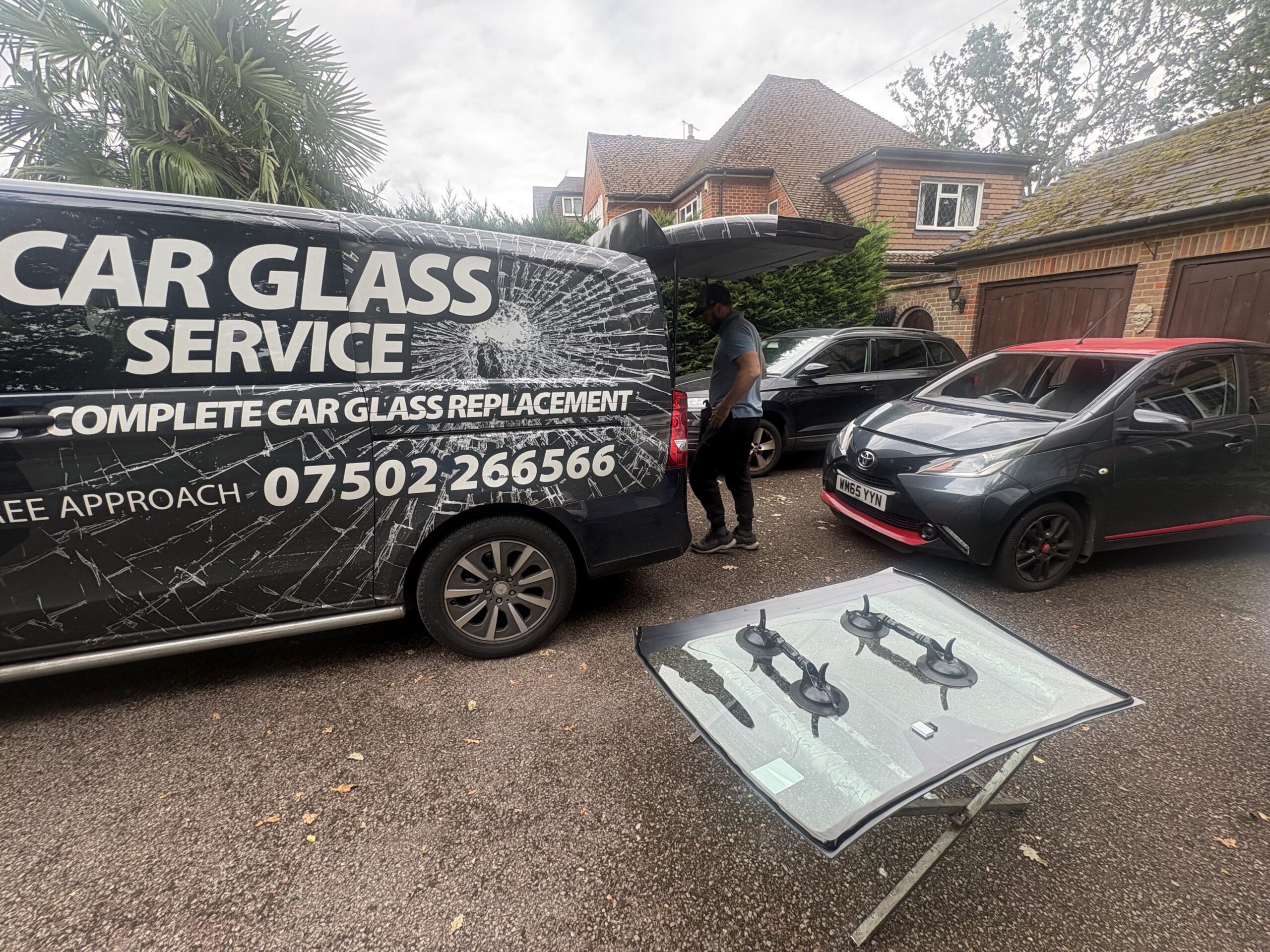
Car Glass Service provides on-site vehicle glass work across West London for private motorists, tradespeople and commercial operators. The priority is to assess the damage honestly, use quality materials and get the vehicle safe for the road with as little disruption as possible.
Situations where paying privately can make sense
Insurance is not always the best route. If the repair cost is close to your excess, paying privately may be simpler. It may also suit drivers who do not want a claim recorded, although that is a personal decision rather than a universal rule.
Private payment can be useful where the vehicle has no glass cover, where the policy limit is low, or where you need specialist glass outside the scope of standard insurance cover. Request a clear quote that separates the glass, fitting, calibration where needed, and VAT. That makes it easier to compare the private cost with your excess and insurer contribution.
Do not wait on damage that is getting worse
A small chip can change quickly with road vibration, temperature changes and potholes. A damaged side window can leave your vehicle exposed to rain, theft and further interior damage. Acting early gives you more options and may mean a simpler, lower-cost solution.
If you are unsure whether to claim, get the damage assessed, confirm your policy terms and ask for a clear price. The right next step is the one that gets your vehicle secure, roadworthy and back to work or family life without unnecessary delay.