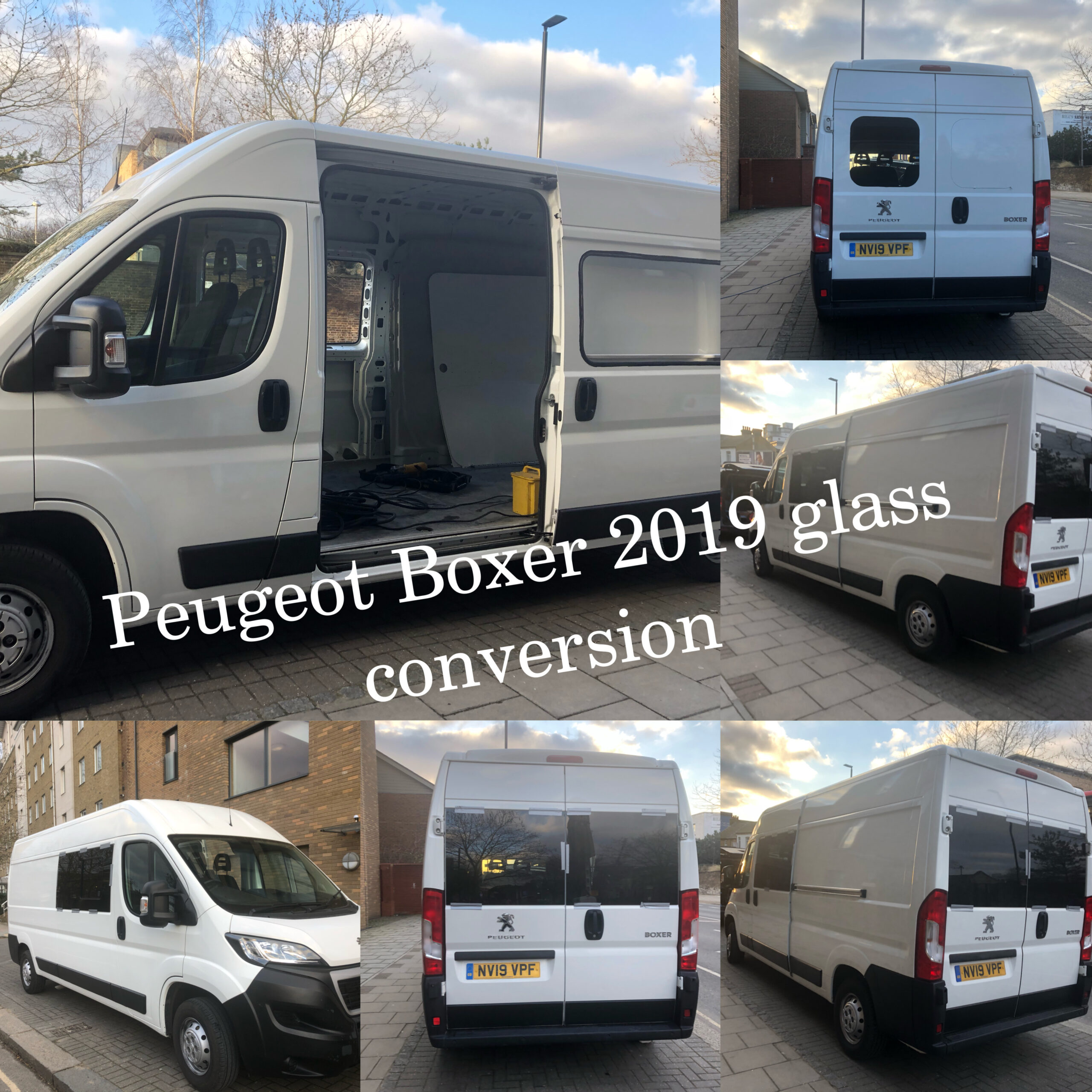
Do Vans Need Privacy Glass?
If you are asking do vans need privacy glass, the honest answer is no – not every van does. But for plenty of owners, it makes day-to-day use better, safer and more practical. It depends on what the van is used for, what is kept inside, and whether the glass is part of a working vehicle, a family vehicle or a camper conversion.
That is where many people get caught out. Privacy glass is often treated like a styling extra, when in reality it can affect security, comfort, visibility and even how usable the van feels in summer. For some owners, it is a smart upgrade. For others, clear glass or a lighter tint makes more sense.
Do vans need privacy glass for every use?
No. A standard work van used mainly for tools and deliveries does not automatically need privacy glass. In some cases, solid panels or ply-lined interiors give better security than side windows of any kind. If a van already has glazed side or rear windows, though, privacy glass can stop expensive equipment being on show every time the vehicle is parked.
For mixed-use vans, the case is stronger. If the van doubles as a family vehicle, a weekend leisure van or a camper, privacy glass usually adds more than just appearance. It reduces glare, helps with heat and gives passengers more comfort. It also makes it much less obvious what is inside.
The key point is simple. Privacy glass is not a legal requirement for most vans, but it is often a practical one once you look at how the vehicle is actually being used.
What privacy glass actually does
Privacy glass is factory-tinted or purpose-made darker glass fitted to rear side windows and rear doors. It is designed to limit visibility into the van from outside while still allowing occupants to see out.
That matters for three main reasons. First, it gives a level of discretion. Whether you have tools, stock, camping gear or personal belongings inside, darker rear glass makes the contents less visible. Second, it improves comfort by cutting some glare and solar heat. Third, it gives a cleaner finish on vans that have been converted from panel vans to crew vans or campers.
It is worth saying that privacy glass is not the same thing as sticking a dark film over any window and hoping for the best. With vans, proper glass choice and correct fitting matter. Poor-quality tinting can bubble, distort visibility and create problems with compliance if done on the wrong windows.
When privacy glass is worth having
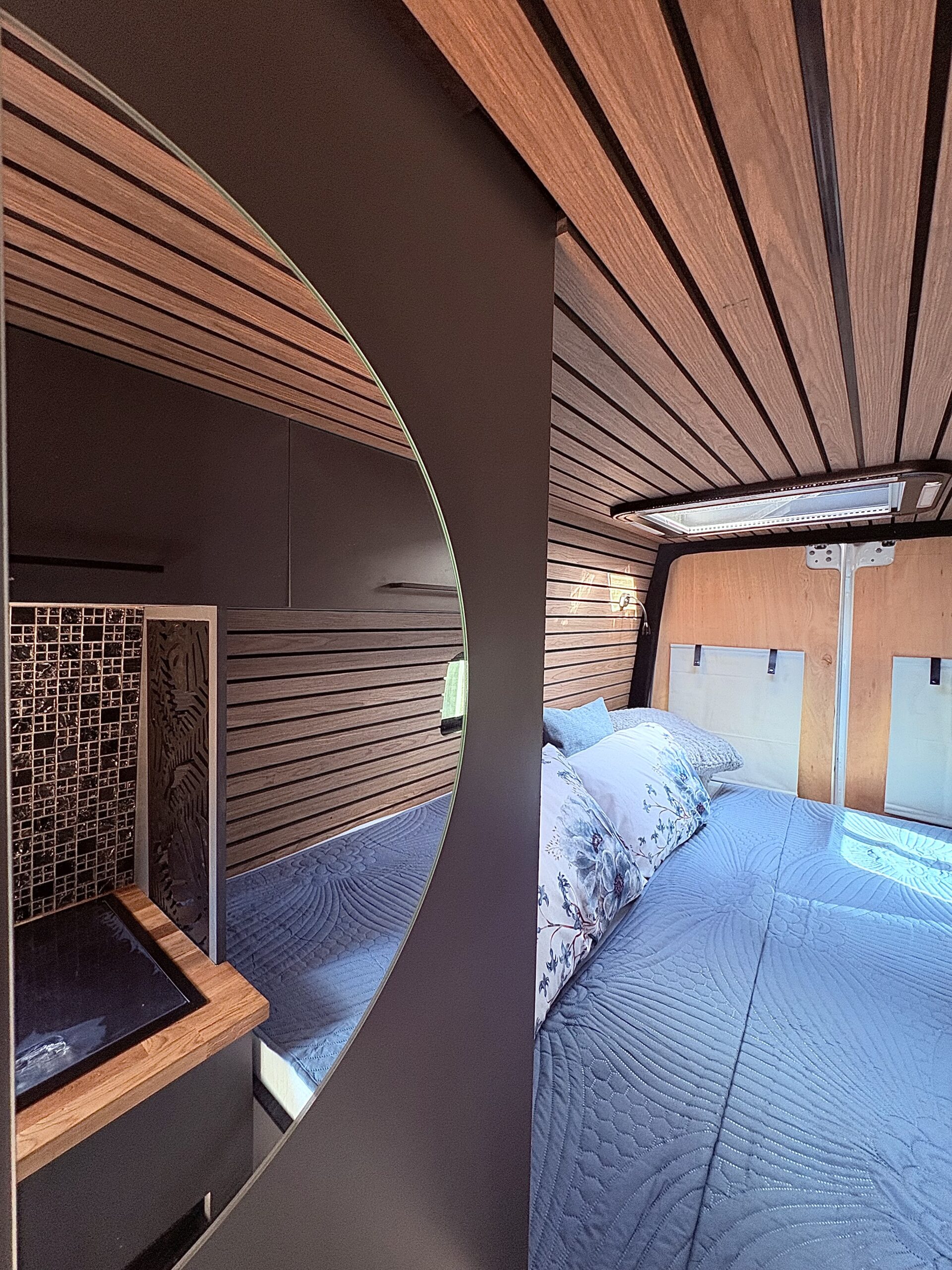
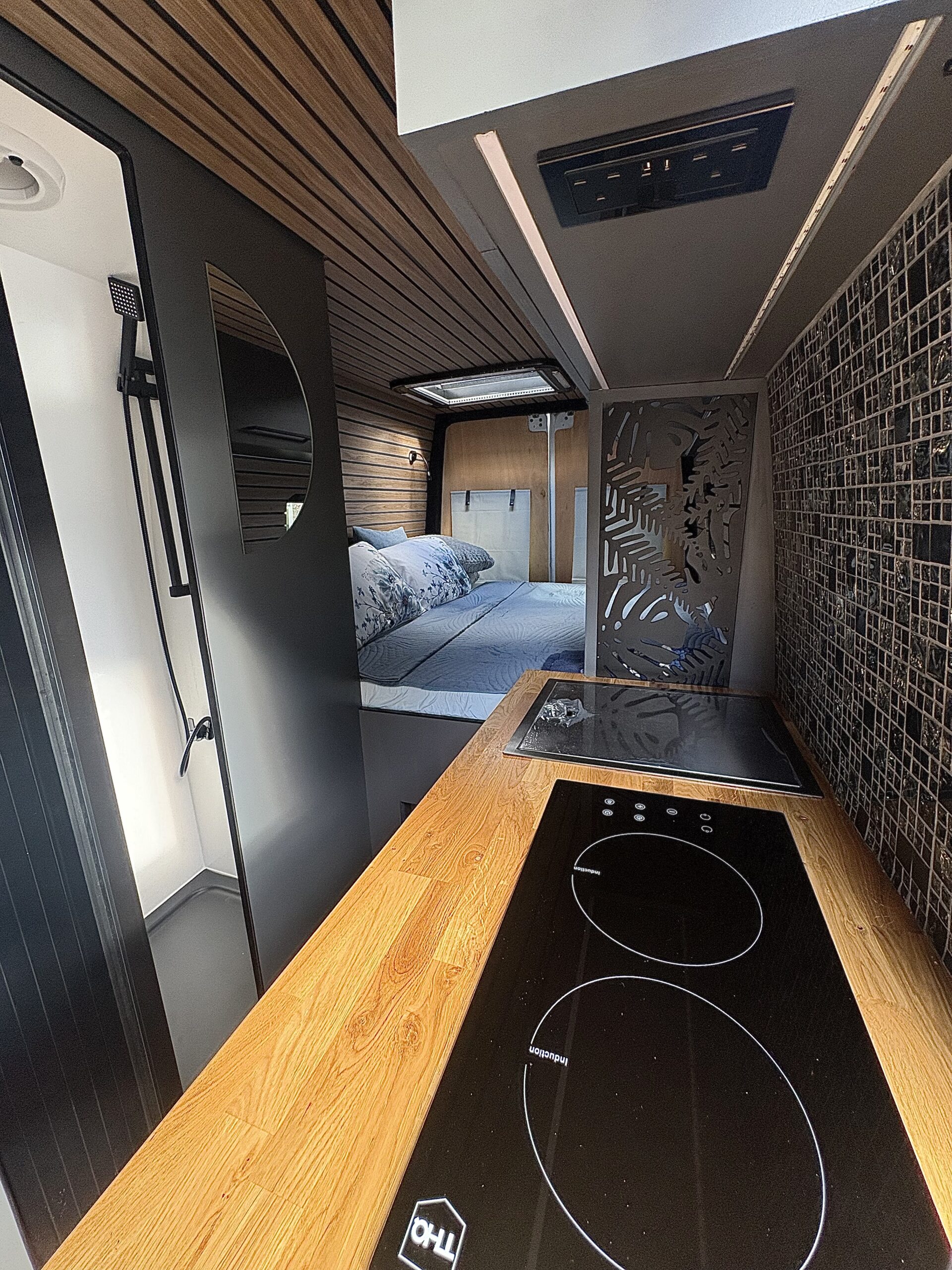
For campervan conversions, privacy glass is close to essential. If you are sleeping in the vehicle, getting changed, resting at a campsite or parking up for the night, clear glass leaves you exposed. Curtains and blinds help, but privacy glass gives you a useful first layer before any coverings are closed.
For family-use vans and minibuses, it also makes good sense. Rear passengers get a more comfortable ride, especially in bright sun. Children are not sitting in direct glare, and the cabin feels less like a greenhouse on warm days.
Tradespeople can benefit too, especially if the van has side windows or rear glazing and carries expensive kit. Privacy glass will not stop a break-in on its own, but it does reduce the quick visual temptation. If someone cannot easily see what is inside, the van is less likely to attract the wrong kind of attention.
There is also the appearance factor, and that should not be dismissed. A well-fitted privacy glass setup can make a converted van look finished rather than improvised. For many owners, that matters when they are investing properly in the vehicle.
When clear glass may be the better option
Privacy glass is not always the right answer. Some van owners want maximum visibility, particularly when reversing or manoeuvring in tight streets, yards or loading areas. Darker rear glass can make the back of the vehicle feel dimmer in poor weather or at night, especially if the van does not have good cameras or sensors.
If the van is mostly used as a straightforward working vehicle and does not carry visible valuables near the windows, clear glass may be perfectly adequate. Likewise, if you regularly drive early mornings, late evenings or in poorly lit areas, you may prefer a lighter tint rather than full privacy glass.
This is especially true for anyone who relies heavily on direct rearward vision rather than mirrors and parking aids. A balance can often be found with glass that gives some shading and discretion without going very dark.
Do vans need privacy glass for security?
Not strictly, but it can help.
It is best to think of privacy glass as one part of security rather than the whole answer. If a van contains tools, stock or conversion equipment, proper locks, alarm systems and sensible parking still matter more. Privacy glass simply adds another barrier by keeping contents out of sight.
That can be enough to make a difference. Opportunist thieves often act on what they can see. A laptop bag, tool case or stack of boxes visible through a clear side window is an invitation. A darker window removes that easy view.
Still, there is a trade-off. A determined thief will not be stopped by tinted glass alone. So if security is your only reason, it should be part of a wider setup, not the only measure you rely on.
Legal points van owners should know
This is where people need to be careful. In the UK, the front windscreen and front side windows are subject to strict light transmission rules. You cannot simply add dark tint wherever you like. Rear side windows and rear windows are generally less restricted, which is why privacy glass is normally fitted behind the driver.
That is another reason professional fitting matters. If the wrong glass is fitted in the wrong place, or if aftermarket film is applied without understanding the rules, you can end up with a vehicle that is inconvenient at best and non-compliant at worst.
For most van owners, the safe approach is straightforward. Keep the front glazing within legal limits and use privacy glass only where it is appropriate – usually the rear section of the van.
Privacy glass and camper conversions
Why it matters more in converted vans
For campervans, privacy glass does more than improve looks. It helps create a space that feels separate from the outside world. That matters when you are parked on a road, at a campsite or even on your own drive.
It also works well with other conversion features such as blackout curtains, bonded side windows, roof lights and interior finishing. If the rest of the van is being built for comfort, darker rear glass usually fits the job better than plain clear glazing.
Heat, light and comfort
No glass will turn a van into a fully insulated room on its own, but privacy glass can reduce harsh sunlight and help the interior feel more manageable in warm weather. Anyone who has sat in a glazed van during summer will know how quickly it heats up.
That does not mean the darkest option is always best. Too dark, and you may lose some of the open feel you wanted from adding windows in the first place. A proper discussion about use, layout and driving habits usually leads to the best result.
Fitting matters as much as the glass itself
A poor fit causes problems. Water leaks, wind noise, loose trims and a finish that looks uneven are common signs that the job has not been done properly. On vans and campers, window installation needs to be neat, secure and suited to the body shape of the vehicle.
That is why owners should look at the full job, not just the tint level. The right glass should suit the van, the cut-out should be finished correctly, and the materials used should be automotive grade. If the van is being converted, the glazing also needs to work with the rest of the build rather than being treated as an afterthought.
For owners in West London using their vans for work or conversion projects, getting the glazing done properly once is usually the better route than trying to save a little and dealing with poor visibility, leaks or rework later.
So, do vans need privacy glass?
Some do, some do not. If your van is used for family travel, camping, carrying visible equipment or simply needs a more secure and comfortable rear section, privacy glass is often well worth it. If your priority is maximum visibility and the van is a basic workhorse with little glazing, clear glass may still be the better fit.
The right answer comes down to use, not fashion. Think about what you carry, where you park, who travels in the van and whether comfort and discretion matter to you. Once those answers are clear, the right glass choice usually is too.
If you are planning new van windows or a camper conversion, get advice based on the vehicle and the job it needs to do – not just on how dark the glass looks from outside.