Vehicle Windscreen Sensor Guide for Safer Driving
A modern windscreen is not just a piece of glass. On many cars, vans and commercial vehicles, it is also the mounting point and viewing area for safety technology. This vehicle windscreen sensor guide explains what sits behind the glass, why the correct windscreen matters, and what should happen after replacement.
If your vehicle has lane assist, automatic emergency braking, automatic wipers or traffic sign recognition, the windscreen work needs more care than a simple glass swap. A poorly fitted screen, the wrong glass specification or missed calibration can affect systems you may rely on every day.
What sensors can be fitted to a windscreen?
The exact equipment depends on the make, model and specification of your vehicle. Two similar-looking vehicles may require different windscreens, so registration details and vehicle equipment should always be checked before ordering glass.
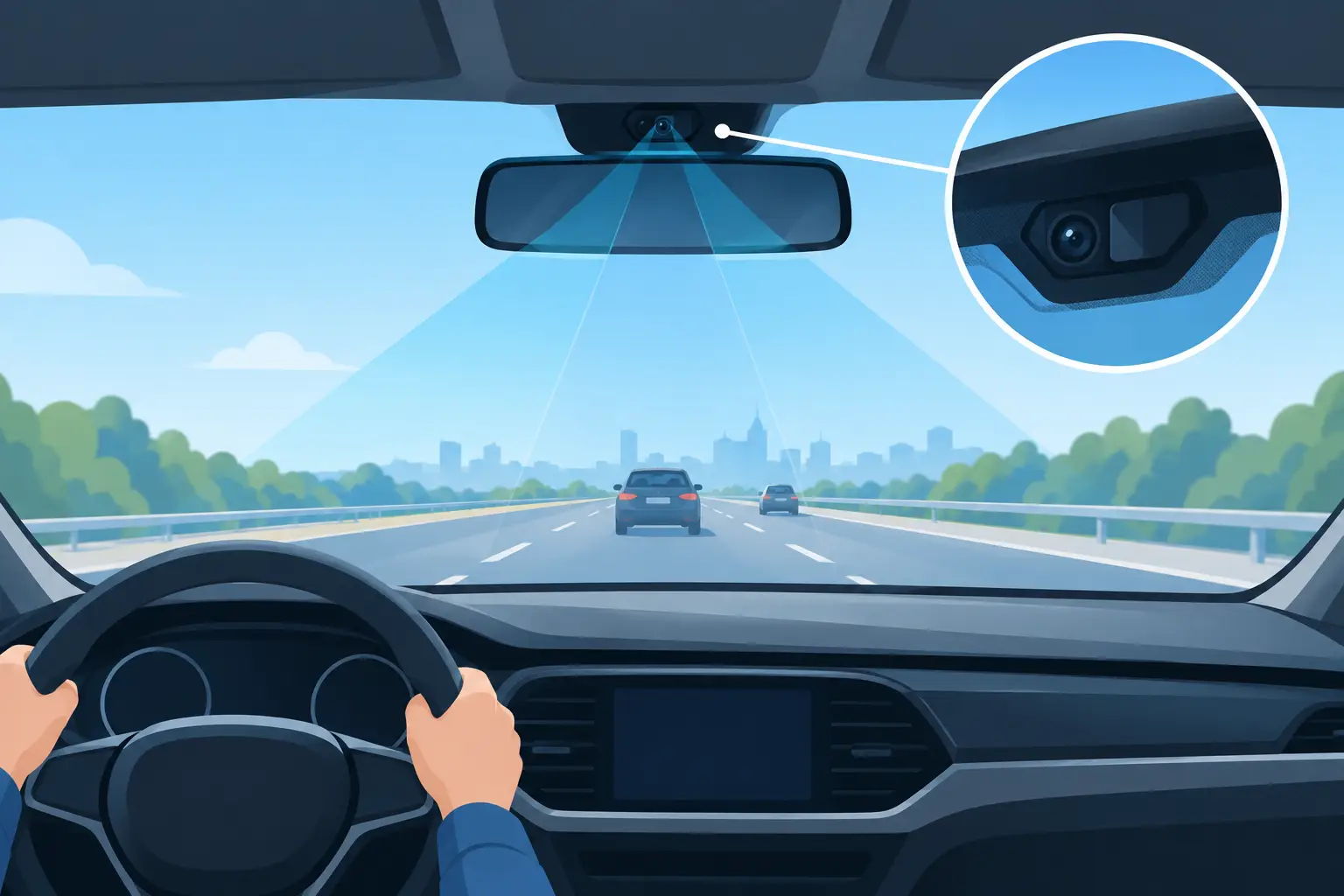
The most common fitting is a forward-facing camera positioned high up behind the rear-view mirror. This is normally part of the Advanced Driver Assistance Systems, often called ADAS. The camera looks through a defined area of the windscreen and helps the vehicle recognise road markings, vehicles, pedestrians and signs.
A smaller rain and light sensor is also commonly mounted behind the mirror. It can detect water on the outer surface of the glass and adjust the wipers automatically. Depending on the vehicle, it may also switch on the headlights when light levels drop.
Some vehicles have a heated windscreen, heads-up display area, acoustic interlayer, antenna connections or a special shade band. These are not always described as sensors, but they still affect which replacement glass is suitable. On vans, particularly newer high-spec models, camera systems are increasingly common too.
How windscreen cameras support safer driving
A camera behind the windscreen may support several features at once. These can include lane departure warning, lane keeping assistance, adaptive cruise functions, forward collision warning, emergency braking support, driver attention alerts and speed-sign recognition.
The system does not replace a driver. Rain, dirt, low sun, fog, road markings and a damaged windscreen can all limit what it sees. Even so, it is a useful extra layer of safety when it has a clear, correctly aligned view of the road.
That alignment is why windscreen replacement on an ADAS-equipped vehicle must be handled properly. The camera is fixed to the bodywork or mirror area, but its view passes through the glass. A different screen profile, incorrect camera bracket, poorly positioned gel pad or slight shift in fitting can change the reference point the system uses.
Why the correct replacement windscreen matters
A replacement windscreen is not a one-size-fits-all part. Glass can look identical from the outside while having different brackets, camera apertures, heating elements, sensor mounts or optical specifications.
For example, fitting standard glass to a vehicle that needs an acoustic windscreen can increase cabin noise. Using a screen without the correct camera provision may make the safety systems unavailable. A windscreen intended for a rain sensor needs the right mounting arrangement, and the sensor surface must be clean and correctly prepared.
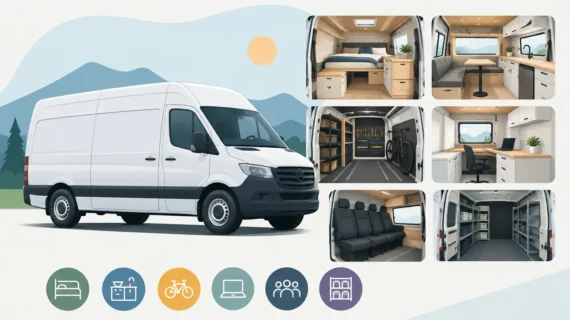
This is particularly relevant for vehicles used for work. A Ford Transit, Mercedes Sprinter, Peugeot Boxer, Fiat Ducato, Citroen Relay or VW Crafter may be a daily work van, fleet vehicle or camper conversion base. Getting the correct glass first time avoids lost working hours and prevents unnecessary return visits.
Quality glass and fitting materials matter as well. The windscreen contributes to the vehicle structure, supports the roof in certain impacts and provides the proper field of vision for cameras and sensors. The adhesive must cure correctly before the vehicle returns to the road.
Windscreen sensor calibration explained
Calibration is the process of confirming that an ADAS camera or sensor is reading the road correctly after work that could affect its position or view. It is not simply clearing a warning light. The vehicle is being checked against manufacturer requirements so its safety systems can operate as intended.
There are two main methods. Static calibration is completed with the vehicle parked in a controlled position while specialist targets and diagnostic equipment are used. Dynamic calibration requires a road drive under suitable conditions, with the vehicle learning or confirming its reference points as instructed by the manufacturer.
Some vehicles need one method, some need the other, and some require both. The correct procedure depends on the vehicle manufacturer, model year and fitted technology. A warning message might disappear after a short drive on one vehicle, but that does not prove every system has been calibrated correctly.
When calibration may be needed
Calibration is commonly required after a windscreen replacement where a camera is fitted. It may also be necessary following accident repairs, suspension or wheel alignment work, replacement of camera-related parts, or a fault affecting the ADAS system.
Do not assume that a camera will automatically set itself up because the windscreen looks fine. If the dashboard shows a warning for front camera, lane assist, emergency braking or driver assistance, arrange an inspection promptly. Those functions may be limited or switched off until the issue is resolved.
Signs your windscreen sensor needs attention
The clearest sign is a dashboard message or warning light. You may see notices such as camera unavailable, front assist unavailable, lane assist fault or rain sensor fault. Automatic wipers may also behave oddly, run when the screen is dry or fail to react in rain.
Other signs are less obvious. Lane assistance may activate later than usual, traffic sign recognition may miss signs, or the camera area may appear cloudy, scratched or loose behind the mirror. A misted section around the sensor can also affect performance.
Keep the outer windscreen clean, especially around the camera area. Avoid stickers, mobile phone mounts, dashcam cables and large air fresheners that block the camera’s view. Ice, condensation, mud and heavy dirt can temporarily stop systems working correctly.
If the glass is chipped or cracked near the camera zone, it should be assessed without delay. Damage in this area can distort the camera view and may mean a replacement windscreen is the safer option. No cracked windscreen should be treated as a repair job.
What to expect from a professional replacement
Before the work starts, a proper service should identify the vehicle and its fitted equipment. The technician needs to know whether there is a camera, rain sensor, heating, heads-up display, special tinting or other windscreen-specific features.
The old glass should be removed carefully to protect paintwork, trims, dashboard areas and sensor components. Any broken glass inside the vehicle should be cleared away, particularly after a smashed windscreen or side window incident. The replacement glass is then bonded using suitable automotive adhesive and fitted with the correct clips, mouldings and sensor materials.
After fitting, the technician should advise on safe drive-away time and whether ADAS calibration is required. Do not wash the vehicle immediately or slam doors if you have been advised to avoid it while the adhesive completes its initial cure. Following those instructions protects the seal and helps the installation perform properly.
At Car Glass Service, we check the glass specification carefully and provide mobile windscreen replacement across West London for cars, vans and commercial vehicles. For urgent damage, having a technician come to your home, workplace or roadside location can save valuable time without cutting corners on fitting.
Questions to ask before booking
When requesting a quote, tell the glass specialist about any dashboard warnings and any features visible around the rear-view mirror. Mention if your vehicle has automatic wipers, lane assist, a heated windscreen or a heads-up display. A clear photograph of the windscreen and sensor area can help confirm the correct part.
Ask whether the replacement glass matches your vehicle specification and whether camera calibration applies. If you run a van or fleet vehicle, confirm the expected safe drive-away time so you can plan work around the fitting. These practical details are more useful than choosing a replacement based on appearance alone.
A clear windscreen and properly functioning sensors give you the best chance of getting the safety features you paid for. If a warning light has appeared, the camera area is damaged, or the glass needs replacing, deal with it before the next busy journey rather than hoping the system will sort itself out.