7 Practical Sprinter Conversion Examples
A Mercedes Sprinter gives you a serious amount of space, but the best Sprinter conversion examples are not always the ones with the most expensive interiors. They are the vans planned around how they will actually be used: weekends away, long family trips, work during the week, or proper off-grid touring. Before choosing cupboards, flooring or a bed, decide where you need daylight, ventilation and safe access.
For many owners, fitting the right van windows is the point where a plain panel van starts to feel like a campervan. Fixed side glass can bring in light and improve visibility, while opening windows help control condensation, cooking smells and warm nights. The right answer depends on the conversion style, passenger layout and how often the van will be used.
1. The weekend day van
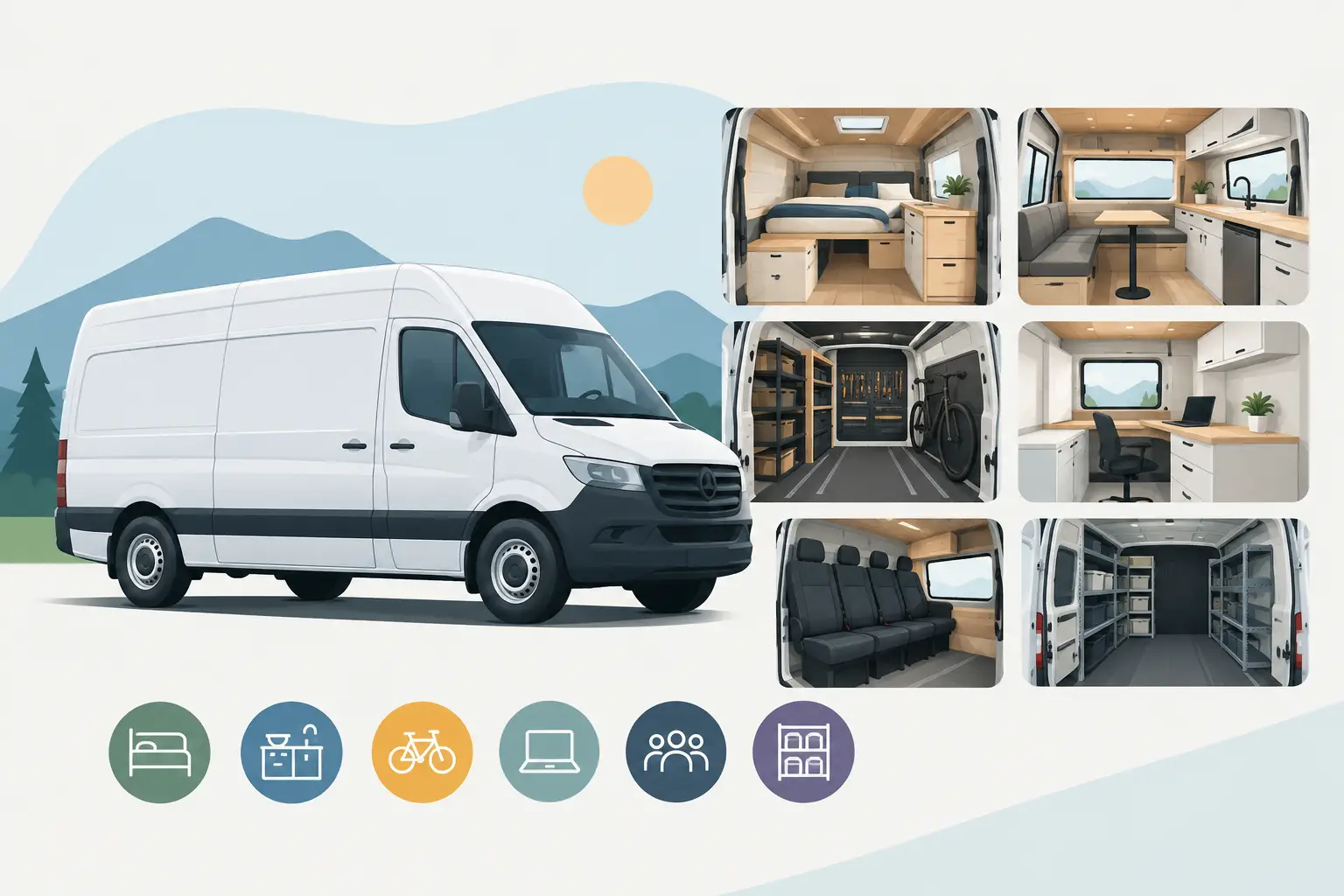
This is one of the most practical Sprinter conversion examples for owners who want a vehicle that still works during the week. A simple day van may have a rock-and-roll bed, compact storage, a removable table and a small leisure battery, rather than a full kitchen and permanent bathroom.
Side windows make a big difference here. A fixed window on the sliding-door side opens up the living area, while a sliding or opening window on the opposite side provides useful airflow. If the van will carry rear passengers, window position should be planned around the seating and seatbelt arrangement, not just where the glass looks best from outside.
A day van is lighter, quicker to build and easier to keep tidy than a fully equipped camper. The trade-off is limited storage and less comfort for extended trips. It suits weekend travel, sporting events and occasional overnight stays particularly well.
2. The two-berth touring camper
A two-berth layout is a strong choice for couples who want proper facilities without filling every inch of the van. Usually, this conversion includes a fixed rear bed or a raised platform bed, kitchen units along one side and a compact dining area towards the front.
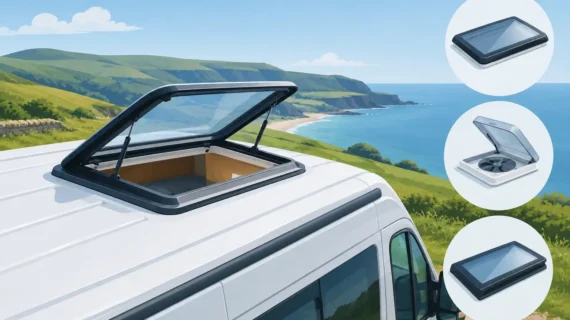
For this layout, a pair of rear quarter windows can make the sleeping area feel far less enclosed. An opening side window near the kitchen is also worthwhile, especially when cooking. A roof skylight adds overhead light and allows hot air to escape, but it needs careful positioning around roof ribs, solar panels and any planned roof equipment.
The main decision is whether to choose a fixed bed or a bed that converts from seating. A fixed bed gives faster set-up at the end of a long drive and useful garage storage underneath. A convertible bed frees up daytime space, although it adds a daily job and can make the layout feel less settled.
3. The family Sprinter camper
Families usually need more seats, more sleeping space and more organised storage than a couple. That is why a family conversion benefits from planning the windows at the same stage as the seating and insulation. A badly placed window can clash with a cupboard, a bunk bed, a shower wall or a future awning rail.
A popular approach is a rear lounge or bunk-bed arrangement, with approved travel seating in the middle of the van. Fixed side windows give children a view out and make the rear feel brighter. Opening windows can be useful, but they should be positioned where they can be reached safely and where flyscreens or blinds can be fitted properly.
More glass means more light, but it can also mean more heat loss in cold weather and more solar gain in summer. Quality blinds, insulation and ventilation are part of the job. Do not treat windows as a decorative extra. They affect the comfort of every overnight stay.
4. The off-grid Sprinter
The off-grid camper is built for longer stops away from campsites. It often includes a larger leisure battery bank, solar panels, water storage, a diesel heater, fridge and charging points for work or travel equipment. This is the conversion for people who want to stay put for a few days rather than move on every night.
Window choice is more important than it first appears. Large fixed windows can provide excellent views, but they also reduce available wall space for cabinets and can make temperature control harder. Many off-grid owners choose a balanced setup: a good-sized opening window by the kitchen or bed, fixed glazing where the view matters most, and a roof vent or skylight for reliable air movement.
Solar panels should be planned before roof cut-outs are made. There is no benefit in fitting a large skylight only to find it leaves too little clear roof area for the power system you need. The same applies to cable routes, roof racks and satellite equipment.
5. The work van that becomes a camper at weekends
Some owners need one Sprinter to do two jobs. It may carry tools and materials from Monday to Friday, then become a basic camper for fishing, cycling, motorsport or short breaks. This calls for a durable, flexible build rather than a permanent home on wheels.
Removable storage modules, a folding bed platform and a portable cooking setup keep the van useful for work. Side glass needs thought in this type of conversion. Windows improve the cabin experience, but they can expose tools and equipment to view. Privacy glass, lined storage sections and sensible parking habits can help, but security should remain a priority.
A fixed rear window can improve rearward visibility, while carefully selected side windows make the weekend setup more pleasant. The right design is usually modest and hard-wearing, not overbuilt.
6. The accessible or comfort-first conversion
Not every campervan is designed around remote travel. Some are built for easier day trips, family visits or comfortable travel for people with limited mobility. The priority may be clear access, wide walkways, supportive seating and a layout that avoids constant bending or climbing.
In this kind of Sprinter conversion, natural light matters because it makes the interior feel calmer and more open. Well-positioned side windows and a skylight can reduce the closed-in feeling of a high-roof van. Opening windows also give the owner control over fresh air without relying on leaving the main door open.
This layout may require more bespoke planning than a standard camper. Wheelchair access, lifting equipment, travel seating and handholds can all influence where furniture and glass can be fitted. It is worth measuring carefully and keeping the design focused on daily comfort rather than copying a showroom build.
7. The premium full-time camper
A full-time or long-term touring Sprinter needs a layout that can cope with real life: wet coats, food storage, charging, washing, working and sleeping in all seasons. These conversions often include a fixed bed, larger kitchen, heating, water system and a proper electrical setup.
Large windows can make a premium conversion feel impressive, especially around a rear lounge or bed. However, more glass is not automatically better. Wall space is valuable for overhead lockers, insulation and sound reduction. A good conversion uses glazing where it genuinely improves the view, light or ventilation, then leaves enough solid structure for practical storage.
Opening windows should be good-quality units fitted correctly, with secure trims and proper sealing. Poor fitting can lead to wind noise, water ingress and a finish that lets down the whole conversion. The glass installation is a structural part of the build, not a last-minute detail.
Choosing the right windows for your layout
Before ordering windows, mark out the proposed bed, kitchen, seating and cupboards inside the empty van. Tape on the floor and cardboard templates on the walls can show problems long before cutting begins. Check which side the sliding door is on, where you want an awning, how the window will open and whether it will be blocked by furniture.
Fixed windows are often best where you want maximum light and a clean appearance. Opening windows cost more but add valuable ventilation, particularly near the cooking area and sleeping space. Tinted privacy glass can make the vehicle more comfortable and less exposed, although blinds are still useful for warmth and privacy at night.
Car Glass Service fits fixed and opening side windows, rear windows, skylights and solar panels as part of campervan conversions in West London. Whether you are converting a Sprinter, Transit, Crafter, Relay, Boxer or Ducato, the work should be planned around the finished layout and carried out with quality glass and materials.
The best conversion is the one that makes you want to use the van more often. Start with your journeys, your passengers and the way you want to spend a night inside, then build the layout and glazing around that reality.