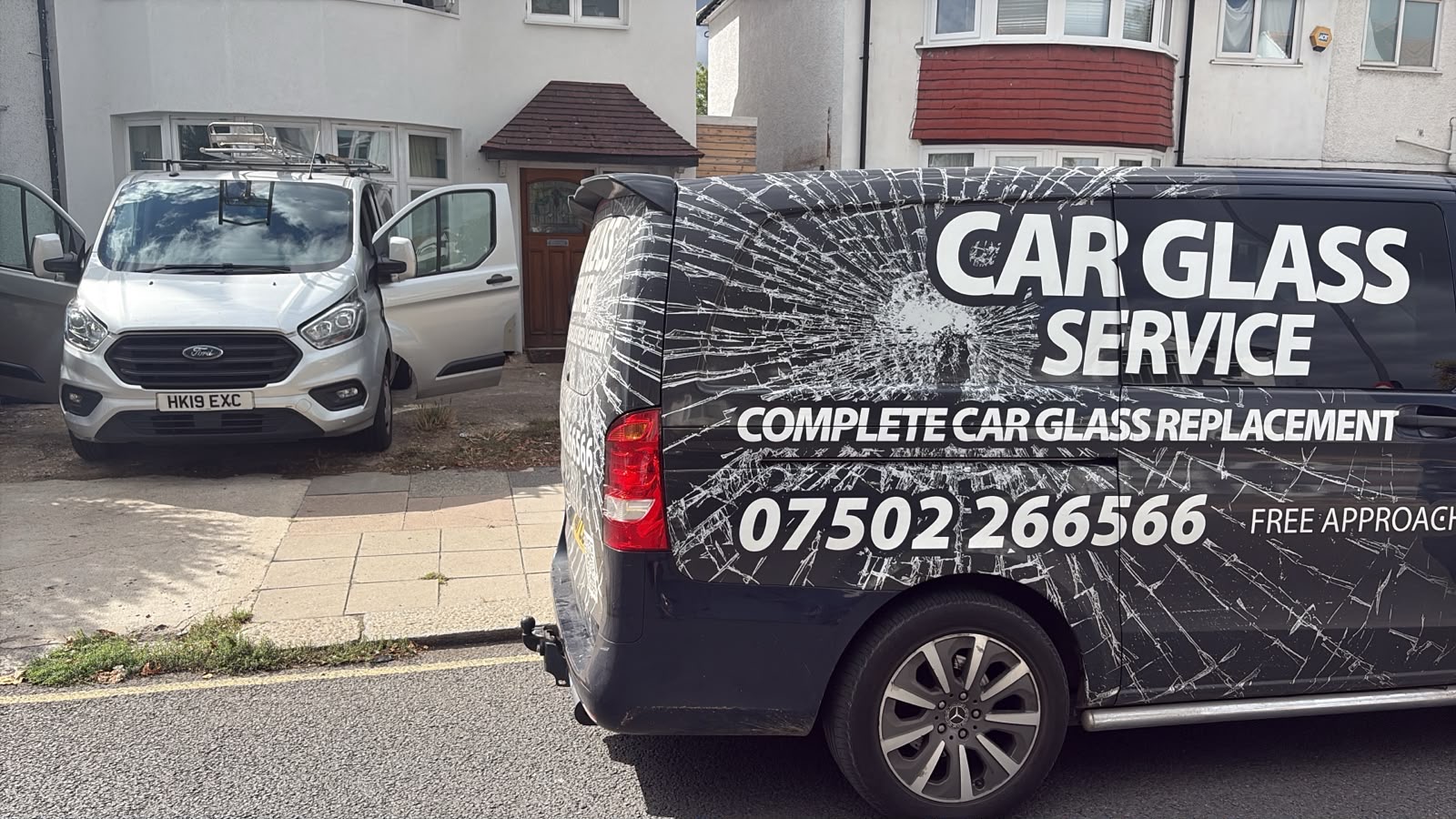
Harrow Van Glass Fitting for Work and Camper Vans
A van without the right glass is more than an inconvenience. A smashed side window can leave tools exposed overnight, while a poorly planned conversion window can make a campervan feel dark, stuffy and unfinished. For Harrow van glass fitting, the job needs to suit how the vehicle is used – whether it is a hard-working trade van, a delivery vehicle or the base for a weekend camper.
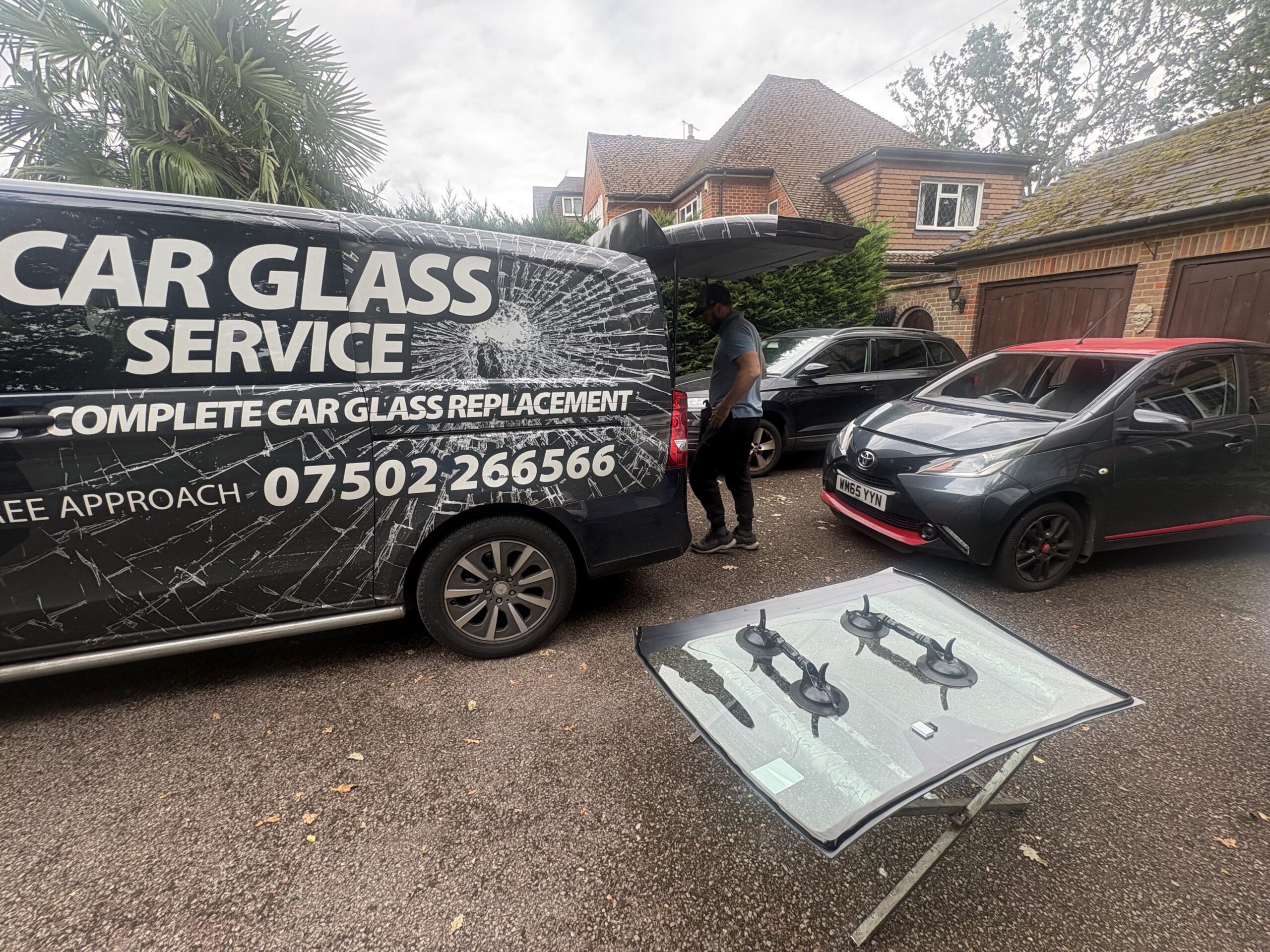
Car Glass Service provides practical van glazing work for owners who want a proper fit, quality glass and clear advice before work starts. From replacement side and rear glass to fixed and opening conversion windows, the aim is simple: get the van secure, weatherproof and ready for the road.
When van glass fitting is the right answer
Van glass fitting covers several different jobs, and the right approach depends on the damage, vehicle layout and purpose of the van. A broken factory-fitted window normally calls for a like-for-like replacement. A panel van being converted into a campervan may need new bonded glass fitted into a solid side panel. Rear door or tailgate glass may also need replacing after an accident, break-in or impact.
For working vans, speed and security usually come first. If a side window has been smashed, it is sensible to arrange replacement as soon as possible. Glass fragments can remain in door cavities, seals can be disturbed, and a temporary covering is rarely a reliable answer for long. The fitting should include safe removal of damaged glass, preparation of the aperture and a secure installation with suitable materials.
For camper conversions, the decision is less urgent but no less important. Window position affects privacy, ventilation, light, insulation and where furniture can go inside. It is far easier to decide on window locations before lining, wiring, insulation and cabinets are installed.
Replacement glass for work vans and commercial vehicles
A van is often an owner’s workplace, stockroom and transport all in one. Lost time can mean missed jobs, delayed deliveries and equipment left vulnerable. That is why a straightforward replacement service matters when a window is damaged.
The correct replacement glass must match the vehicle’s shape and intended position. Side loading-door glass, fixed rear-quarter glass, rear door windows and tailgate glass all have different profiles and fitting requirements. Some vehicles also have heated rear glass, aerial connections, privacy tinting or sensors that need to be considered before a quote is given.
A professional fitter will check the full extent of the damage rather than only looking at the broken pane. The frame, bonding surface, rubber trims and door mechanism can all be affected. On a van with a sliding side door, for example, glass and trim need to sit correctly so the door continues to open, close and lock as it should.
Common vans we fit glass to
Harrow drivers use a wide range of vans, from compact daily work vehicles to long-wheelbase conversion projects. Glass fitting can be arranged for popular models including the Ford Transit and Transit Custom, Mercedes-Benz Sprinter, Volkswagen Crafter, Citroën Relay, Peugeot Boxer and Fiat Ducato.
The make and model are only part of the picture. Wheelbase, roof height, door layout and whether the van already has factory glass can all affect the available options. Sending clear photographs of the damaged area or the panel you want glazed can help identify the right glass and give a more accurate quote.
Planning campervan conversion windows properly
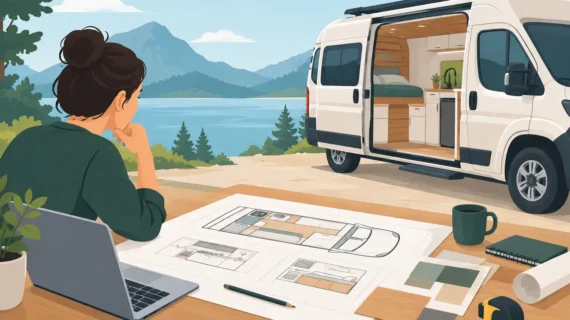
A good campervan window installation should look like it belongs on the van, not like an afterthought. The best layout comes from thinking about how you will sleep, cook, sit and store equipment inside.
A fixed side window can bring in plenty of daylight and give a clean exterior finish. It is often a good choice beside a bed or seating area where the main need is light and visibility. Opening windows add ventilation, which is particularly useful near a sleeping area or kitchen. The trade-off is that they cost more than fixed glass and need enough clearance inside and outside the van to operate comfortably.
Privacy glass is popular for conversions because it reduces visibility into the van during the day and gives a more finished look. However, it does not remove the need for blinds or curtains at night. If privacy, warmth and sleep are priorities, plan for window coverings from the start rather than trying to add them around awkward trims later.
Rear windows can make reversing and parking feel easier, especially on a larger van. But they are not right for every build. If tall cupboards, a shower room or a fixed garage will block the view from inside, side windows and parking sensors may be a more useful investment. The right answer depends on the layout, not just the appearance from outside.
What proper van window fitting involves
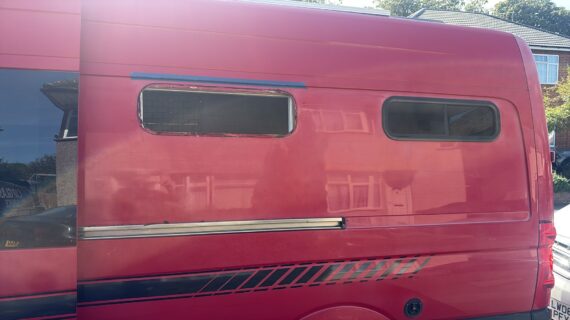
Cutting and glazing a solid van panel is skilled work. The opening has to be measured carefully, cut cleanly and treated correctly before the glass is bonded in place. Rushing any stage can lead to leaks, wind noise, poor adhesion or corrosion around the cut edge later on.
The process usually begins by confirming the window style and exact location. The panel is marked, the aperture is cut, and the exposed metal edge is prepared and protected. The glass is then fitted with the appropriate bonding system or seal, depending on the design. Once installed, it needs adequate curing time before the vehicle is used normally.
Do not judge a fitting purely by how it looks from a few metres away. A tidy finish matters, but so do water-tightness, secure bonding and clean interior trim. Adhesive residue, loose fragments and unfinished edges are signs that the job has not been treated with the care a working vehicle deserves.
Fixed glass or opening glass?
Fixed glass is usually the simpler option. It brings light into the vehicle, is easy to maintain and can suit vans used mainly for daytime travel or as mobile workspaces. It can also be the sensible choice where an opening window would conflict with shelving, external awnings or the internal layout.
Opening glass gives you control over airflow without leaving a door open. That can make a real difference on warm nights or when cooking in a compact campervan. It does require sensible use: windows should be shut and secured when the van is unattended, and ventilation should be planned alongside roof vents or skylights rather than relying on one small opening alone.
Choosing a Harrow van glass fitting service
The best fitting service is one that asks useful questions before booking you in. A clear quote should reflect the van model, glass position, type of replacement or conversion glass, and any extra features such as heating elements or opening sections. If the job involves a new conversion window, the fitter should also ask whether the van is already insulated or lined out.
For damaged glass, ask how the area will be cleared and whether trims, seals and related components are checked during the work. For a conversion, ask about glass type, window position and curing time. These details are not unnecessary extras – they affect safety, comfort and how long the fitting lasts.
Convenience matters too. A work van off the road is a disruption, so a call-out option can be useful where the vehicle cannot easily be taken to a workshop. Some fitting jobs are better completed in controlled conditions, particularly when access, weather or curing requirements make that the safer option. Honest advice on this point is better than a rushed appointment that compromises the finish.
Get the van ready before fitting day
A little preparation helps the work go smoothly. Clear tools, stock and loose items away from the affected door or panel. For a conversion window, move any internal furniture away from the proposed aperture and tell the fitter about hidden wiring, insulation, sound deadening or structural modifications.
If the glass has been broken, avoid touching sharp fragments and keep children and pets away from the area. Photograph the damage before clearing anything yourself, particularly if an insurer or fleet manager needs evidence. If rain is expected, protect the interior as best you can until the replacement can be fitted.
For Harrow van owners, the practical choice is not simply getting glass into the opening. It is choosing the right glass, in the right place, fitted properly for the work or travel ahead. A quick conversation about your vehicle and how you use it can prevent costly changes later and get your van back to doing its job with confidence.