What Is Windscreen Replacement?
A crack can start as a small nuisance and turn into a real problem by the next school run or site visit. If you have been asking what is windscreen replacement, the simple answer is this: it is the process of removing damaged windscreen glass and fitting a new one safely, using the right glass, adhesives and curing time so the vehicle can go back on the road properly.
For most drivers, the question comes up after a stone chip spreads, a crack reaches the driver’s line of sight, or the glass is damaged badly enough that repair is no longer the safe option. At that point, speed matters, but so does doing the job correctly. A windscreen is not just a panel of glass. It is a structural part of the vehicle and plays a role in visibility, safety and, in many cars and vans, the proper function of cameras and sensors.
What is windscreen replacement and when is it needed?
Windscreen replacement means taking out the broken or weakened windscreen and fitting a new one that matches the vehicle specification. The technician removes trims and seals as needed, cuts out the old bonded glass, prepares the frame, applies the correct adhesive and installs the new windscreen with proper alignment.
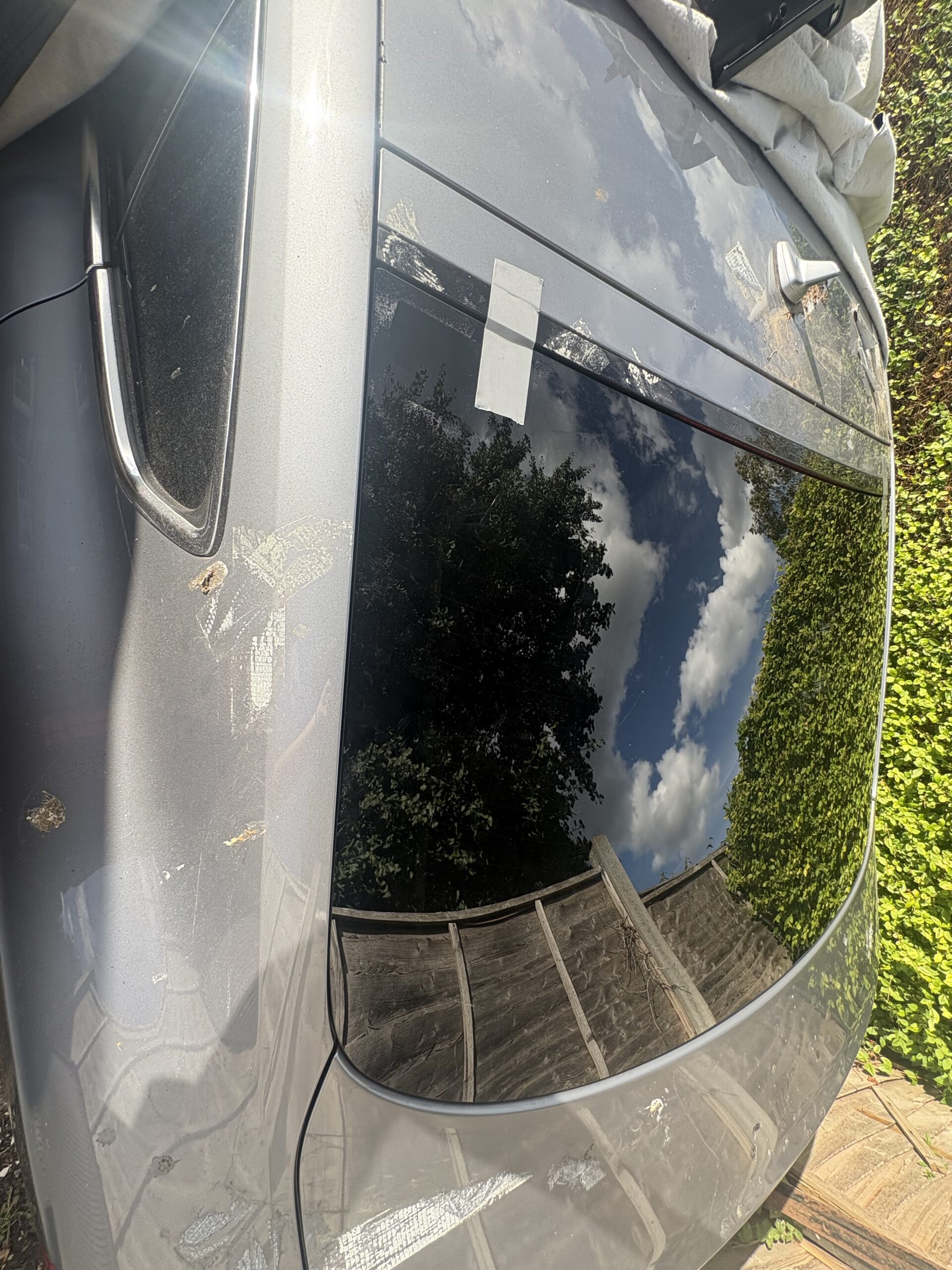
It is usually needed when the damage is too large, too deep or in the wrong place for a safe repair or leak occurs.A small stone chip can often be repaired, which is usually quicker and cheaper. But once a crack spreads across the glass, means line is going ,sits in the driver’s direct view, reaches the edge of the windscreen or affects the laminated structure, replacement is often the right call.
There is some judgement involved. Two chips that look similar can lead to different outcomes depending on their depth, position and whether the inner layer has been affected. That is why a proper inspection matters rather than guessing from a photo alone.
Why replacing a windscreen is about more than appearance
A damaged windscreen is not just untidy. It can weaken the car’s structural integrity, especially in an impact. The windscreen helps support the roof and works as part of the vehicle’s safety system. If the bond is poor or the glass is compromised, that protection is reduced.
Visibility is the obvious issue. Cracks or scratches distort light, catch glare and can become much worse in wet or cold weather. If damage sits in front of the driver, it can be distracting even before it becomes severe enough to fail an MOT.
Modern vehicles add another layer to the job. Many newer cars, vans and SUVs have cameras, rain sensors, lane assist systems or heating elements linked to the windscreen. In those cases, replacement is not only about fitting glass that looks right. It has to be compatible with the vehicle’s features and fitted with care.
How the windscreen replacement process works
A proper windscreen replacement follows a set process. First, the technician checks the damage, confirms the correct glass and inspects the surrounding area. Then any trims, wipers and mouldings that need removal are taken off carefully.
The damaged windscreen is cut out using specialist tools so the surrounding bodywork is not harmed. After that, the old adhesive is trimmed back and the bonding area is prepared. This part matters. A rushed or poorly prepared frame can cause leaks, wind noise or bonding failure later.
Once the frame is ready, primer and adhesive are applied as required by the fitting system and the vehicle specification. The new windscreen is then positioned accurately and pressed into place.
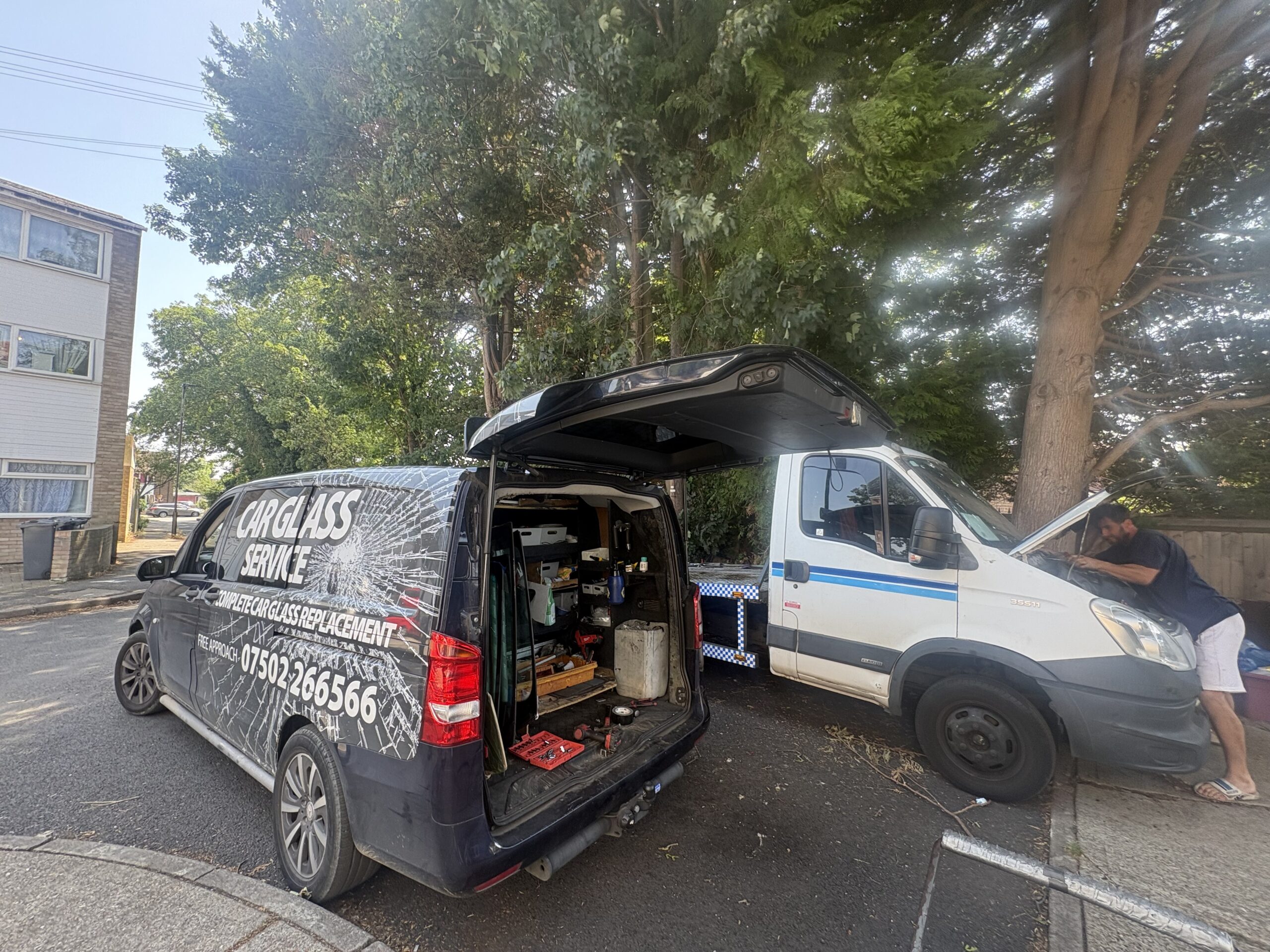
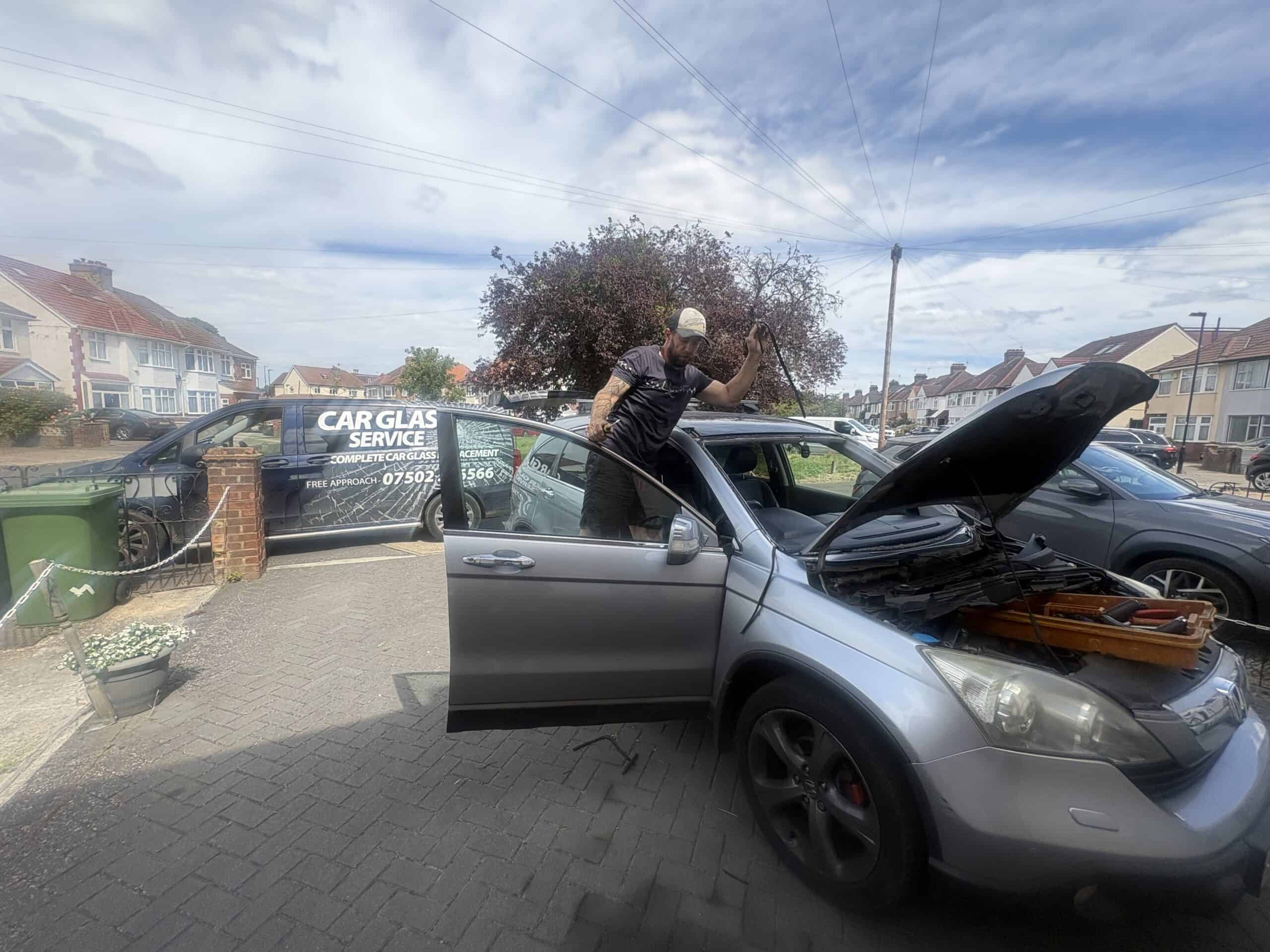
On many jobs, mobile fitting can be done at your home, workplace or roadside location if conditions are suitable. That is often the most practical option for London drivers who do not want the extra hassle of getting to a workshop with unsafe glass.
How long does windscreen replacement take?
The fitting itself is often completed within about an hour, but the full job includes safe drive-away time. That means the adhesive must cure enough before the vehicle is moved.
How long that takes depends on the adhesive system, the vehicle type and the weather. Cold, damp conditions can affect curing times, and some vehicles are more complex than others. A straightforward hatchback may be quicker than a van with additional fittings or a prestige vehicle with integrated camera systems.
This is one of the main trade-offs people miss. Fast service is important, especially if you rely on the vehicle for work, but speed should not mean cutting corners on bonding or curing. A good technician will tell you clearly when the vehicle can be driven.
Repair or replacement – which one do you actually need?
This is where honest advice matters. If a stone chip can be repaired safely, repair is usually the better value option. It keeps the original glass, takes less time and costs less than a full replacement.
But not every windscreen should be repaired. If the crack is going , if the damage has spread, if it sits near the edge or if the driver’s view is affected, replacement is often the safer route. In some cases, a chip that was repairable in the morning becomes a replacement by the afternoon because of vibration, temperature change or another bump in the road.
That is why delaying rarely helps. The longer damaged glass is left, the greater the chance the problem worsens and the more likely a lower-cost repair becomes a full replacement.
What affects the cost of windscreen replacement?
There is no single price for every vehicle. The cost depends on the make and model, the type of glass, whether the windscreen has built-in sensors or heating, and how readily available the part is.
A basic windscreen for an older vehicle is generally less expensive than glass for a newer car with advanced driver assistance systems. Vans and commercial vehicles also vary widely. Some use fairly standard glass, while others need specific shapes, fittings or calibration-related work.
Labour, adhesives and call-out convenience also form part of the price. With a mobile service, you are paying for the job to be done where the vehicle is, which is often far more practical if the glass is unsafe or the vehicle is off the road. For many customers, especially tradespeople and fleet operators, that convenience saves time and money overall.
What to expect from a good mobile fitting service
A dependable mobile service should make the process straightforward. You call for a quote, give the vehicle details, explain the damage and arrange a time and location. Once on site, the technician should confirm the job, carry out the fitting properly and leave the vehicle clean and safe.
You should expect OEM-standard glass or equivalent quality materials, professional bonding products and proper workmanship. Clean-up matters too, especially after severe damage or a smashed screen. No one wants glass fragments left in the cab, on the drive or in the footwells.
At Car Glass Service, this practical approach is what local drivers and trade customers rely on. When a windscreen needs replacing, most people are not looking for a sales pitch. They want a fair quote, a quick response and a fitter who turns up and gets the job done right.
What is windscreen replacement like on newer vehicles?
On newer vehicles, the job can be more involved than many people expect. Cameras and sensors may be attached to the windscreen or sit behind it. If those systems are part of lane departure warning, automatic braking or rain-sensing wipers, the replacement has to take them into account.
That does not mean every modern vehicle is complicated, but it does mean vehicle details matter. The exact registration, model year and trim level can affect which glass is needed. Getting that wrong can lead to delays or poor fitment.
This is another reason to use an experienced automotive glazing specialist rather than treating all windscreens as if they are the same. The closer the match to the original specification, the better the result.
Can you drive with a cracked windscreen?
Sometimes you can, but that does not mean you should leave it. A small chip away from the driver’s line of sight might not stop the vehicle immediately, but cracks can spread quickly. Once visibility is affected or the glass is structurally weakened, driving becomes a bigger risk.
There is also the legal and MOT side to consider. Windscreen damage in critical viewing areas can lead to failure, and if the crack worsens while you are driving, the problem can move from inconvenient to dangerous very quickly.
If you use your vehicle for work, delay can be even more costly. One missed call-out, delivery or job can wipe out any saving from putting the repair off for another week.
A damaged windscreen rarely improves by itself. If the glass is cracked, chipped or smashed, the best next step is to get it assessed properly and deal with it before it becomes a bigger, more expensive interruption.