Tailgate Glass Replacement London Explained
A shattered rear screen leaves more than broken glass behind. It can expose your boot area to rain, make the vehicle insecure and stop you using it properly for work, school runs or deliveries. If you need tailgate glass replacement London, acting promptly helps protect the interior, restore visibility and get the vehicle safely back into daily use.
Tailgate glass is fitted to hatchbacks, estates, SUVs, 4x4s and many vans. Depending on the vehicle, it may include heating elements, aerial connections, tinting, a wiper fitting, hinges, trims or an opening section. That is why it needs the right glass and a careful professional installation, rather than a rushed fit with unsuitable materials.
When tailgate glass replacement is needed
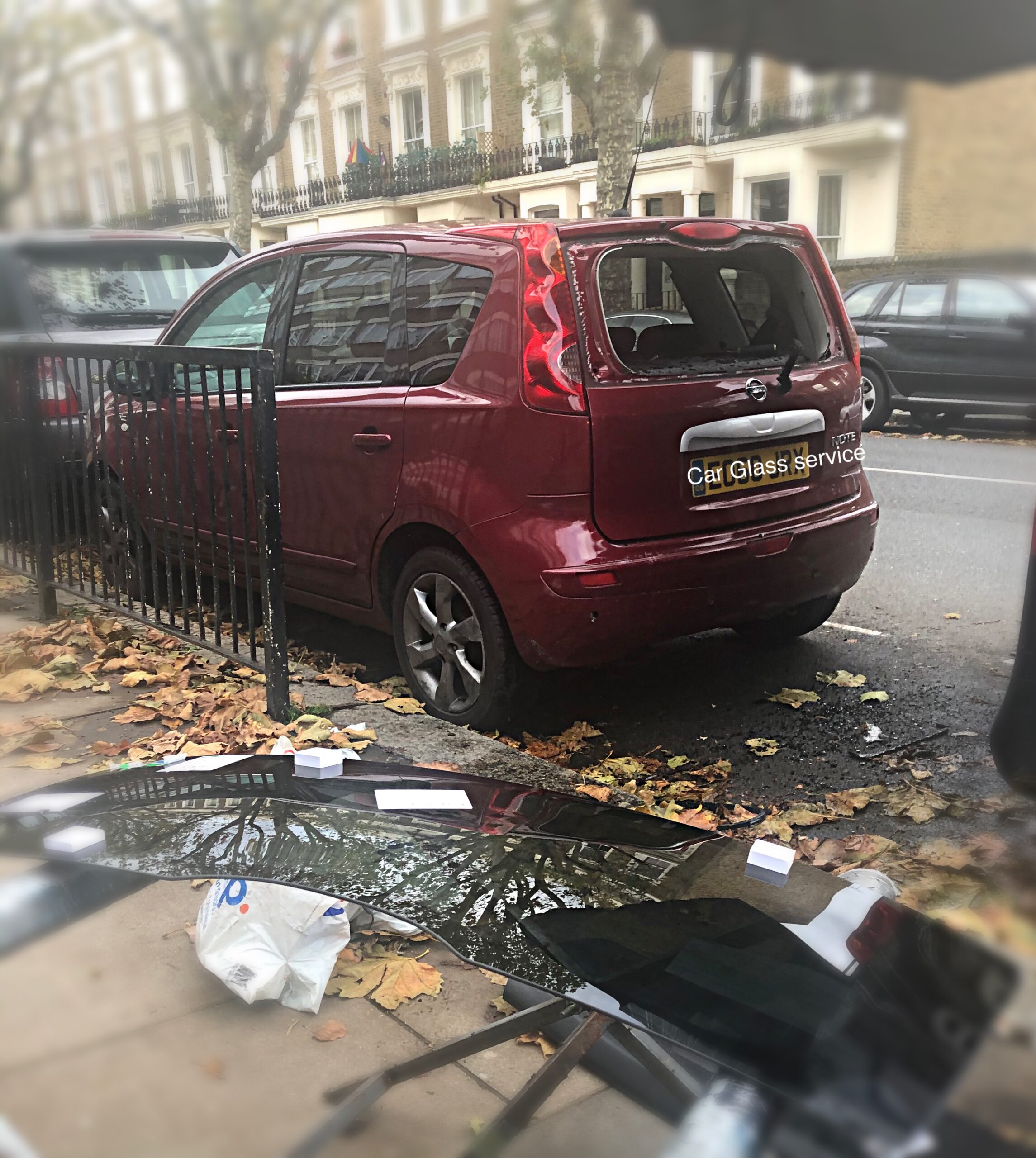
A tailgate window can break after an accident, attempted theft, vandalism or impact from a loose object. Sometimes the damage is obvious: the glass has shattered across the boot floor and road behind the vehicle. In other cases, there may be a deep crack spreading from an edge, a failed heated screen, or glass that has become loose in its bonding.
A small mark does not always mean the entire rear screen needs replacing. The location, depth and type of damage matter. However, cracks in tailgate glass tend to worsen with vibration, temperature changes and repeated opening and closing of the boot. A damaged rear screen can also reduce visibility, which is particularly difficult on busy London roads, in wet weather and when reversing.
If the glass is broken, loose, heavily cracked or missing, avoid driving unless it is necessary to move the vehicle somewhere safe. Loose fragments can fall into the cabin or onto the road, while an open rear section leaves belongings and electrical components exposed. Covering the opening temporarily may keep out some rain, but it is not a substitute for proper replacement.
What a proper tailgate glass replacement involves
The job starts with identifying the exact vehicle and rear-screen specification. Registration details, make, model, year and body style all help make sure the correct glass is supplied. A tailgate screen for one trim level may not match another, especially where there are different tints, sensor connections, heating circuits or aperture sizes.
Before fitting, the technician removes loose glass from the tailgate, seals and surrounding areas. This stage matters. Broken pieces often collect inside the boot trim, tailgate frame, spare-wheel well and rear seats. Leaving them behind is unpleasant and can cause rattles, cuts or damage later on.
The old adhesive and damaged materials are then prepared correctly before the new glass is bonded into place with automotive-grade products. The screen must sit evenly in the aperture and form a proper weather seal. On vehicles with heated rear glass, the electrical connections are checked so the demister can work as intended.
Once fitted, the technician checks the alignment, trims, wiper clearance where applicable, tailgate operation and seal around the glass. The vehicle also needs appropriate curing time before it is used normally. This varies depending on the adhesive and weather conditions, so always follow the technician’s advice about when it is safe to drive and when to use a car wash.
Why the correct glass specification matters
Rear glass is not simply a clear panel cut to shape. Many tailgate screens are toughened safety glass and built with features specific to the vehicle. These can include factory tint, a heated element, integrated aerial, black ceramic edging and mounting points for a rear-view camera or wiper assembly.
Choosing glass that does not match the original specification can create problems. A screen without the correct heating connection may leave you with poor rear visibility on cold mornings. Incorrect tint can look noticeably different from the other windows. A poor fit may allow wind noise or water into the boot, where it can affect carpet, tools, electrical parts and interior trim.
OEM-standard glass and fitting materials are a sensible choice because they are made to meet the required dimensions and safety standards. It is not always necessary to insist on a vehicle-manufacturer branded part, but the replacement should be appropriate for your exact vehicle and properly fitted.
Mobile tailgate glass replacement in West London
When the vehicle is not secure or cannot be used comfortably, taking it to a workshop may be the last thing you need. A mobile service can attend your home, workplace, depot or another safe location, provided there is enough room to work around the rear of the vehicle.
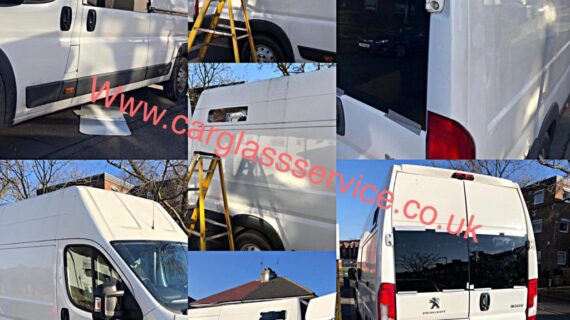
For drivers and businesses in areas such as Ealing, Hounslow, Hayes, Uxbridge, Harrow, Wembley and Northolt, this can save the time and inconvenience of arranging transport or leaving a vehicle off the road for longer than necessary. It is particularly useful for vans carrying tools, fleet vehicles and family cars with a smashed rear screen.
A suitable working area should be reasonably level and safe, with access around the tailgate. Heavy rain, high winds or very limited space can affect whether a fitting can be completed on site. In those cases, an experienced technician will explain the practical options rather than taking risks with the installation.
Car Glass Service provides on-site automotive glazing for private motorists, vans and commercial vehicles across West London. The focus is straightforward: supply the correct glass, clear away the damaged pieces, fit it professionally and help get the vehicle secure again.
How to get an accurate quote quickly
The fastest way to obtain a useful quote is to have the vehicle registration, make, model and year ready. It also helps to say whether the tailgate glass is heated, tinted, fitted with a rear wiper or includes any visible aerial lines. If the rear screen has completely shattered, mention that too, as clean-up and any damaged trims may need attention.
Photographs can help confirm the glass type and show whether the tailgate itself has been bent or damaged. If the frame, hinges or surrounding bodywork have been affected in an impact, glazing work may need to be coordinated with body repairs. Replacing the glass alone will not correct a distorted tailgate aperture.
Price depends on the vehicle, availability of the glass, screen specification and the amount of associated work needed. A common family hatchback will usually be more straightforward than a luxury SUV, specialist van or vehicle with integrated technology. A clear quote should set out what is included, rather than leaving you guessing about call-out, fitting materials or disposal of broken glass.
After the new tailgate glass is fitted
Keep the boot and rear seating area clear until you are satisfied that every loose fragment has been removed. Although a professional clean-up deals with the main areas, it is worth checking personal items, luggage, toolboxes and mats that were in the vehicle when the glass broke.
Follow the curing guidance provided after fitting. Avoid slamming the tailgate, putting pressure on the new glass or using a high-pressure wash too soon. If your vehicle has a heated rear screen, test it when conditions allow and report any concern promptly.
A broken tailgate window is disruptive, but it does not need to keep your vehicle out of action for long. The right replacement glass, careful clean-up and professional fitting make the difference between a temporary patch and a rear end that is safe, weatherproof and ready for the road again.