How to Windscreen Repair the Right Way
A tiny chip can turn into a full crack faster than most drivers expect. One stone on the A40, a cold morning, a pothole, and suddenly what looked minor is running across your line of sight. If you are searching for how to windscreen repair, the first thing to know is simple – some damage can be repaired quickly and cost-effectively, but some needs replacing straight away.
That matters because a windscreen is not just a piece of glass. It supports the structure of the vehicle, helps airbags work properly, and needs to give you a clear, undistorted view of the road. Getting the right fix early is usually cheaper, safer, and less hassle than waiting until the damage spreads.
How to windscreen repair starts with the damage type
Not every chip is the same. A small bullseye chip, star break, or short surface crack may be repairable if the damage is limited and the inner layer of the laminated glass is still sound. If dirt and moisture have already worked their way in, the result can be less clean, even if the repair is technically possible.
Size and position make a big difference. In most cases, a small chip away from the driver’s direct view has the best chance of being repaired. A crack, damage near the edge, or anything severe in the driver’s sightline need full replacement. Edge cracks are especially risky because they can affect the strength of the whole screen.
This is where many drivers get caught out. They assume that because the damage looks small from outside, it will always be a simple resin repair. Sometimes it is. Sometimes the chip has spread below the surface more than it first appears.
What happens during a proper windscreen repair
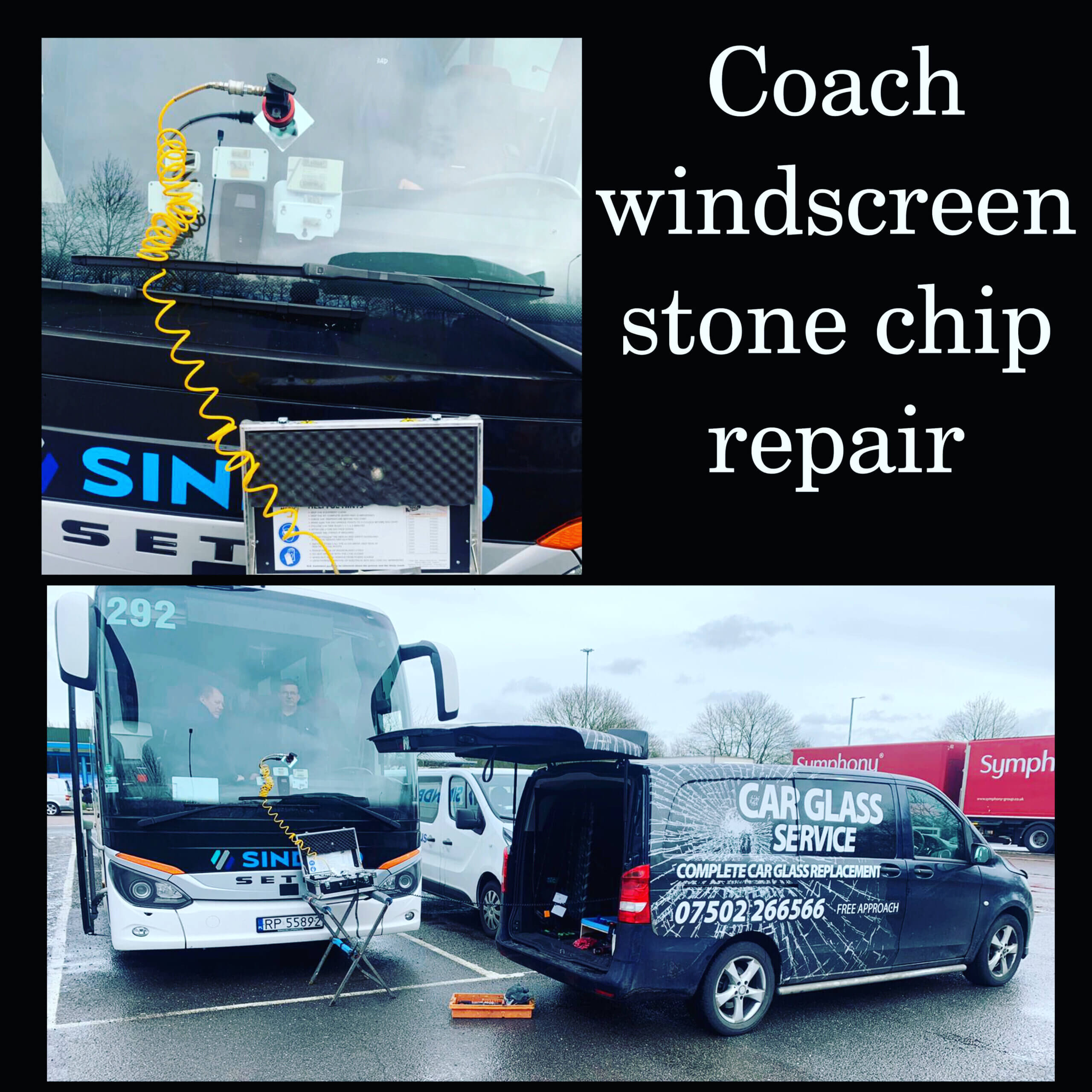
A professional windscreen repair is a controlled process, not just a quick dab of filler. The damaged area is inspected first to check whether repair is safe and worthwhile. If it is, the technician cleans the chip, removes trapped air from the break, and injects a specialist resin into the damaged section.
That resin is then cured, usually with ultraviolet light, so it hardens inside the glass. Once set, the area is finished and polished to improve clarity and help restore strength.Repair will usually stop the damage spreading and make the chip far less visible, but it may not disappear completely. Honest advice matters here. Repair is about safety and stability first, appearance second.
For many drivers in London, the main benefit is avoiding a full replacement if the damage qualifies. It saves time, keeps the original factory seal in place, and is normally the more affordable option.
Can you do a DIY repair kit at home?
This is where it depends. DIY kits are widely available and can sometimes help with a very small, fresh chip if you catch it early. But they are not a like-for-like substitute for a professional repair, especially on modern vehicles with sensors, heated screens, acoustic glass, or damage in a sensitive area.
The biggest problem with home kits is not always the resin itself. It is judgement. Drivers often misread whether the screen is actually suitable for repair, apply the resin after dirt has got into the break, or leave trapped air behind. The chip may look better for a while but still spread later.
If the damage is small and temporary action is all you can manage, covering the chip with clear tape can help keep out dirt and water until it is inspected properly. That is a sensible stop-gap. Trying to force a poor DIY repair onto a screen that really needs professional work usually costs more in the end.
When repair is not the right option
There are clear cases where repair should not be pushed. If the crack is line already , if the damage reaches the edge, if the glass is badly contaminated, or if the chip sits directly in the driver’s main viewing area, replacement is often the safer call.
The same goes for damage affecting advanced driver assistance systems. Many newer vehicles have cameras and sensors mounted to the windscreen. Even when the glass can technically be replaced, the job may also require correct calibration so the systems work as they should. That is not a corner to cut.
For van owners, tradespeople, and fleet operators, downtime matters as much as cost. A van off the road because a repair was delayed can quickly become more expensive than dealing with it properly the same day.
How to windscreen repair without making it worse
If you have just taken a stone chip, speed matters. The longer you leave it, the more chance there is of dirt, rain, screen wash, and temperature changes affecting the break. Try not to slam doors, pour hot water on a frozen screen, or put the demister on full blast straight away if the glass is already damaged.
It also helps to avoid rough roads where possible until the damage is checked. Vibration can turn a repairable chip into a replacement job. That is why mobile service is so useful for many drivers. If the technician can come to your home, workplace, or site, you reduce the risk of further spread on the journey.
In busy areas across West London, convenience is not a luxury. It is often the difference between sorting the problem today and putting it off until it gets worse.
The real cost question
Most customers are not asking how to windscreen repair out of curiosity. They want to know whether they can save money and get back on the road quickly. Fair question.
In general, a repair costs less than replacement because it uses the existing screen and takes less time. But the cheapest option is only the right option if it is safe. A poor repair on damage that should have been replaced is false economy.
There is also the cost of waiting. What begins as a small chip may turn into a full-width crack after one cold night or one speed bump. At that point, the bill, the vehicle downtime, and the inconvenience all go up. Acting early usually gives you the best chance of keeping it to a repair.
Why professional assessment matters
A proper technician is looking at more than the visible mark in the glass. They are checking the depth of the break, the type of laminate damage, the location, the condition around the impact point, and whether the repair will leave the vehicle roadworthy.
That practical judgement is what separates a quick fix from the right fix. For service-led specialists like Car Glass Service, the aim is straightforward – repair the screen where it is safe and sensible to do so, and only replace when necessary. That saves customers money without compromising safety.
It also means using the right materials. Windscreen work is not the place for guesswork or bargain-basement shortcuts. Quality resin, proper curing, correct fitting methods, and OEM-standard materials all matter if you want the vehicle returned to a safe standard.
A chipped windscreen rarely fixes itself, and it rarely improves with time. If the damage is fresh, there is often a good chance to stop it spreading and avoid a larger job. Get it looked at early, get a straight answer, and let the condition of the glass decide the repair – not guesswork.